












What beam angle should you choose for moving heads?
This guide explores the significance of beam angles in moving head lights, offering insights into their impact on stage lighting, coverage, and visual effects.
- Understanding Beam Angles in Moving Head Lights: A Comprehensive Guide
- 1. What are the different beam angle categories in moving head lights?
- 2. How does beam angle affect coverage and audience perception?
- 3. What is the relationship between beam angle, throw distance, and coverage?
- 4. How do lumens and lux relate to beam angle selection?
- 5. How do optics influence beam angle and light distribution?
- 6. What are the maintenance considerations for moving head lights?
- 7. Can moving head lights be used outdoors?
- 8. How do I determine the number of moving head beam lights needed for a concert?
Understanding Beam Angles in Moving Head Lights: A Comprehensive Guide
When selecting moving head lights for stage performances, understanding beam angles is crucial for achieving the desired lighting effects. The beam angle determines the width of the light beam emitted from the fixture, influencing coverage area and intensity. This guide addresses common questions to assist in making informed decisions.
1. What are the different beam angle categories in moving head lights?
Beam angles in moving head lights are typically categorized as follows:
Ultra-Narrow Beam (1°–6°): Produces a tight, intense shaft of light, ideal for aerial effects and long-throw applications.
Spot (6°–15°): Offers a focused beam suitable for highlighting specific areas or subjects.
Narrow Wash (15°–25°): Provides a broader coverage with soft edges, suitable for lighting larger areas.
Wash (25°–60°): Delivers wide, even illumination, perfect for general stage lighting.
Flood (>60°): Covers extensive areas with soft light, often used for ambient lighting.
Selecting the appropriate beam angle depends on the specific lighting requirements of your event. ((https://www.kimulighting.com/choosing-beam-moving-head-lights-angle-lumen-throw-distance.html))
2. How does beam angle affect coverage and audience perception?
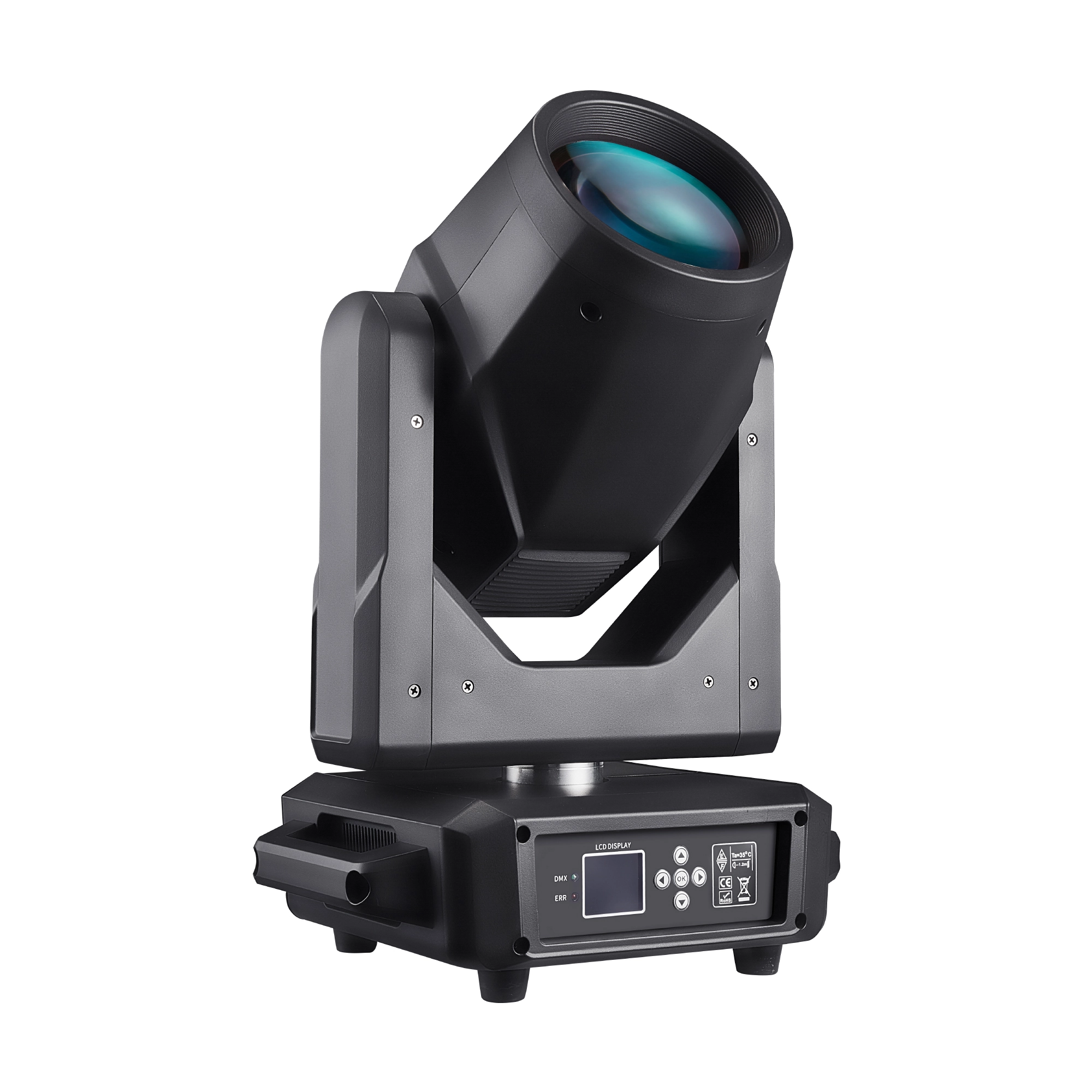
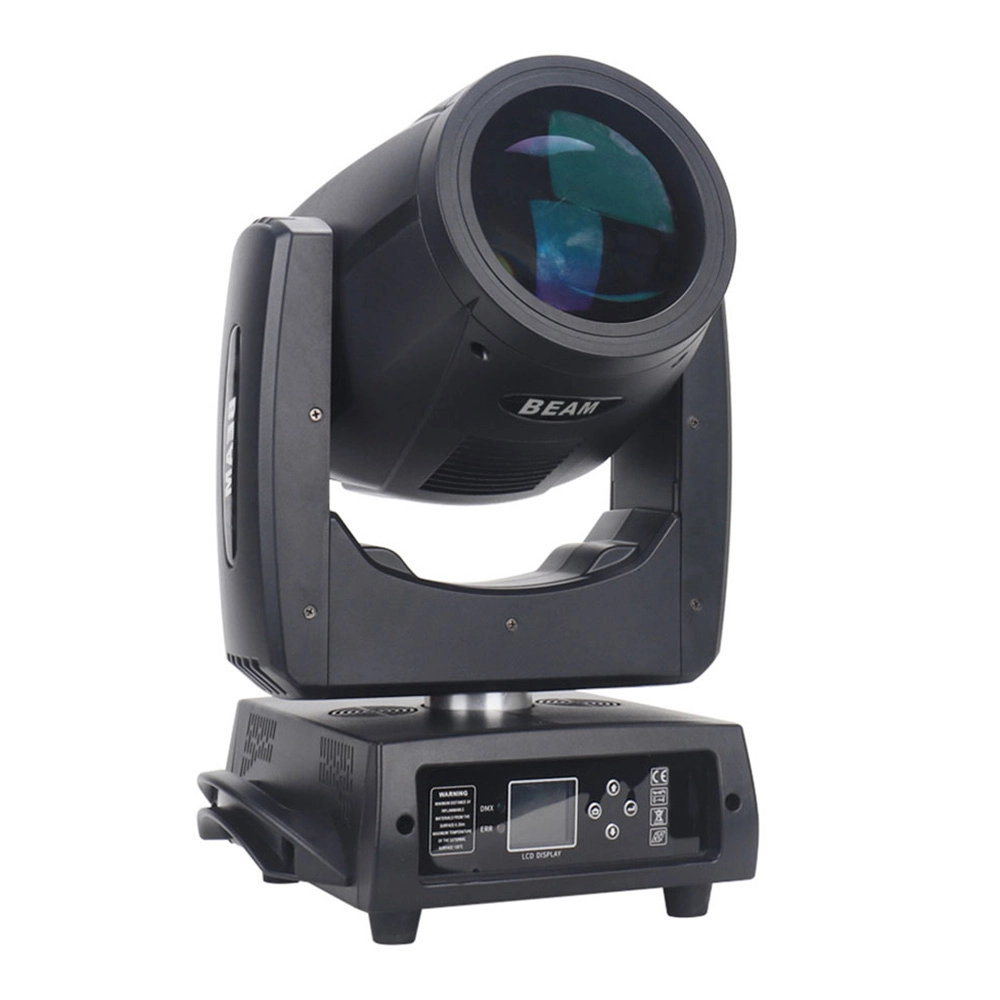
A narrower beam angle concentrates light, creating a visually intense column that remains coherent over long distances, making it suitable for large venues. Conversely, a wider beam angle spreads light over a broader area but with less intensity, ideal for covering larger stage areas. Many professional moving head lights feature optical zoom, allowing a single fixture to function as both a spot and a wash, enhancing flexibility and reducing the number of fixtures needed. ((https://www.kimulighting.com/choosing-beam-moving-head-lights-angle-lumen-throw-distance.html))
3. What is the relationship between beam angle, throw distance, and coverage?
The beam angle, throw distance, and coverage area are interrelated. The beam diameter at a given distance can be estimated using the formula:
Beam Diameter ≈ 2 × (Throw Distance) × tan(Beam Angle / 2)
For example, a moving head with a 2° beam angle placed 20 meters from the stage will produce a spot approximately 0.70 meters wide. This calculation is essential for planning fixture placement and ensuring adequate coverage.
4. How do lumens and lux relate to beam angle selection?
Lumens measure the total light output of a fixture, while lux indicates the illuminance on a surface. For directional fixtures, the relationship can be estimated with the formula:
Illuminance (lux) ≈ Lumens / (Ω × d²)
Where Ω is the beam solid angle in steradians, and d is the throw distance in meters. Narrower beams require fewer lumens to achieve high lux at long distances, whereas wider beams need more lumens for the same lux level. This understanding aids in selecting fixtures with appropriate brightness for your venue. ((https://www.kimulighting.com/choosing-beam-moving-head-lights-angle-lumen-throw-distance.html))
5. How do optics influence beam angle and light distribution?
Optics, including lenses, reflectors, and zoom systems, shape the output of moving head lights. High-quality optics concentrate light into tight beams or spread it evenly, affecting beam sharpness and uniformity. Understanding the role of optics is essential when selecting fixtures to ensure they meet your lighting design requirements. ((https://www.kimulighting.com/beam-angles-optics-led-moving-head.html))
6. What are the maintenance considerations for moving head lights?
Regular maintenance is crucial for optimal performance and longevity of moving head lights. This includes cleaning optics and cooling paths, checking motor functions, updating firmware, and replacing worn components such as fans or power supplies. Proper maintenance ensures consistent lighting quality and reduces the risk of equipment failure during events.
7. Can moving head lights be used outdoors?
Yes, moving head lights can be used outdoors, provided they have an appropriate IP rating for weather exposure and proper protection of power and control connections. It's essential to select fixtures designed for outdoor use to ensure durability and reliable operation in various environmental conditions.
8. How do I determine the number of moving head beam lights needed for a concert?
The number of moving head beam lights required depends on venue size, throw distance, and desired beam density. Smaller stages may use 6–12 units, theaters 12–30 units, and large arenas 30 or more. Conducting a lighting plot and lux calculations can provide a precise count tailored to your specific venue and event needs.
In conclusion, selecting the appropriate beam angle in moving head lights is vital for achieving the desired lighting effects and coverage. By understanding the relationship between beam angle, throw distance, and optics, and considering maintenance and outdoor usage, you can make informed decisions that enhance your stage lighting design.
KIMU Lighting offers a range of moving head lights with various beam angles and advanced optics, providing solutions tailored to diverse lighting needs. Their fixtures are designed for durability and high performance, ensuring reliable operation in various settings. ((https://www.kimulighting.com/beam-angles-optics-led-moving-head.html))
For more information on selecting the right moving head lights for your event, visit KIMU Lighting's website.
Recommended for you
how to make a moving head light | KIMU Guide

KIMU: A Bright Future Ahead with Record Growth and Ambitious Targets
where to buy led stage lights | KIMU Guide

KIMU Ships On-Time to Customers Today – Delivering Quality Wholesale Professional Stage Lighting
What is the difference between spot and beam moving head lights? | KIMU Guide
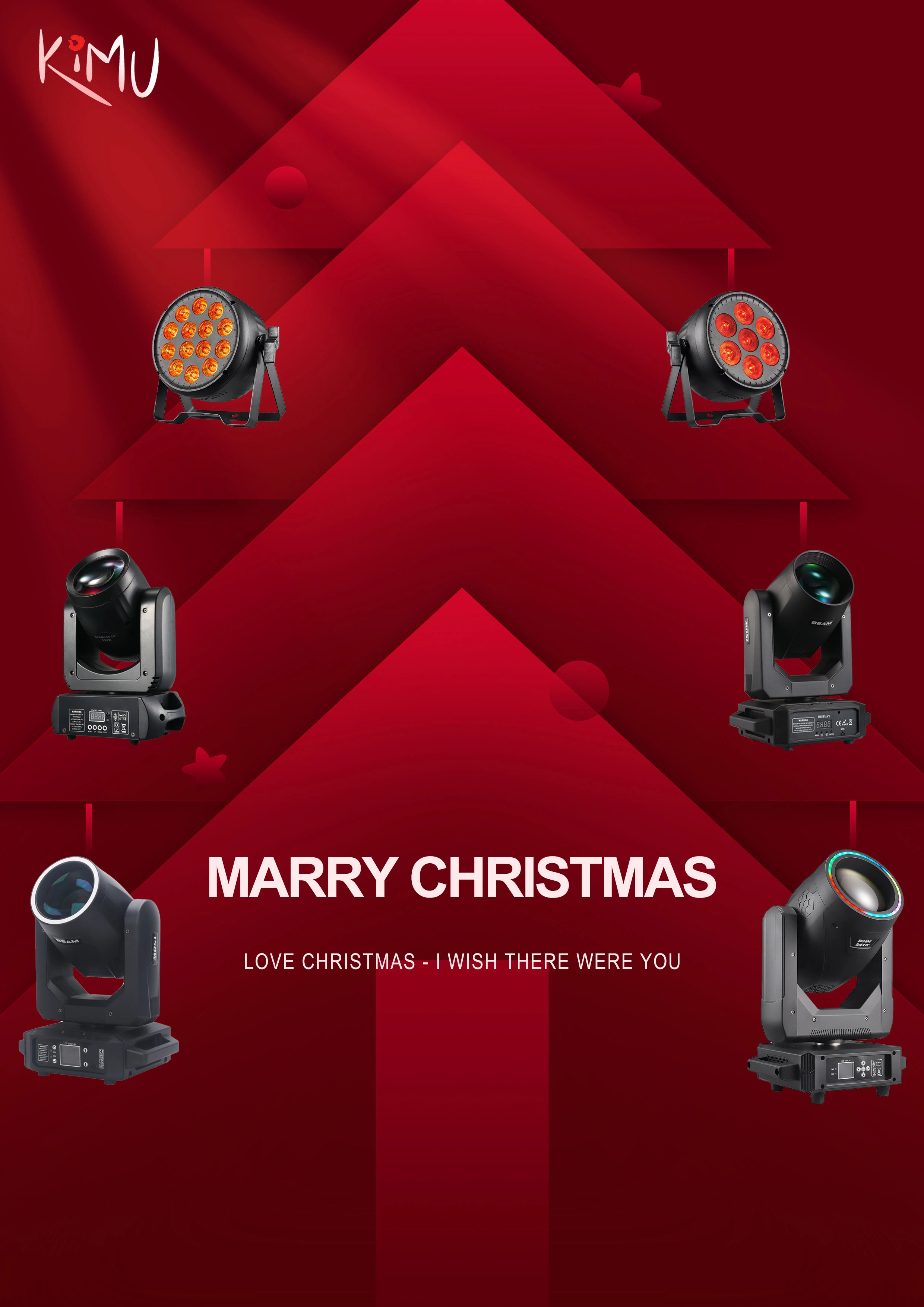
KIMU Wishes You a Merry Christmas with Our Top Products!
1. If it is not customized and is not in stock, it will be shipped within 3-5 days.
2. If there is a stage light customization service, there will be additional customization time.
Yes, you can arrange your own shipping. Please coordinate with our logistics team for the necessary details.
It usually takes 2–3 work days.
Of course, our company is located in the A3 building, Gaopu Industry Zone, Baiyun District, Guangzhou, China.
Welcome to visit our factory!
get in touch
To reach out to us, simply fill out the form below with your name, email address, and message detailing your requirements or questions.
Our dedicated team of lighting experts is committed to providing timely and personalized responses to ensure your satisfaction.
You may also like
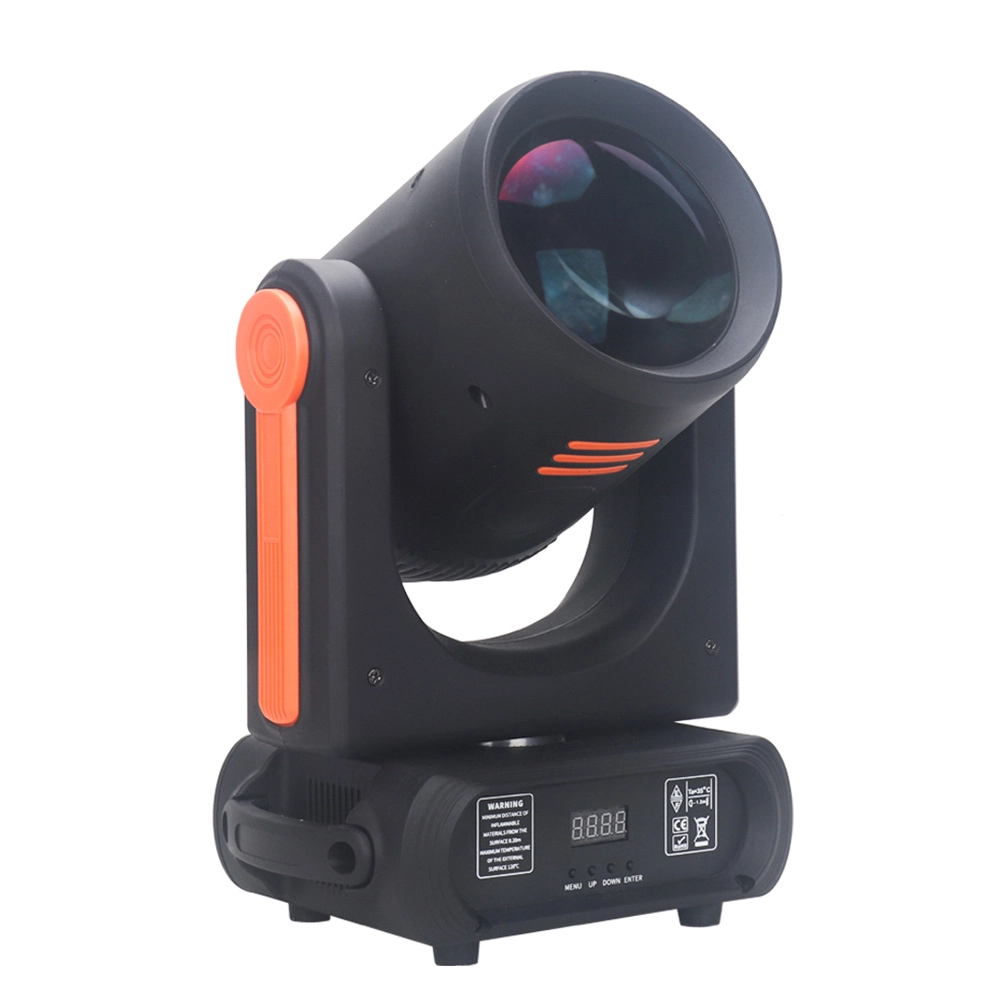
Experience precision lighting with KIMU's 200W LED Spot Moving Head Light. Featuring 3 prisms and a wide beam angle, it offers 7 vibrant colors and 8 dynamic patterns, making it ideal for versatile stage and event lighting.
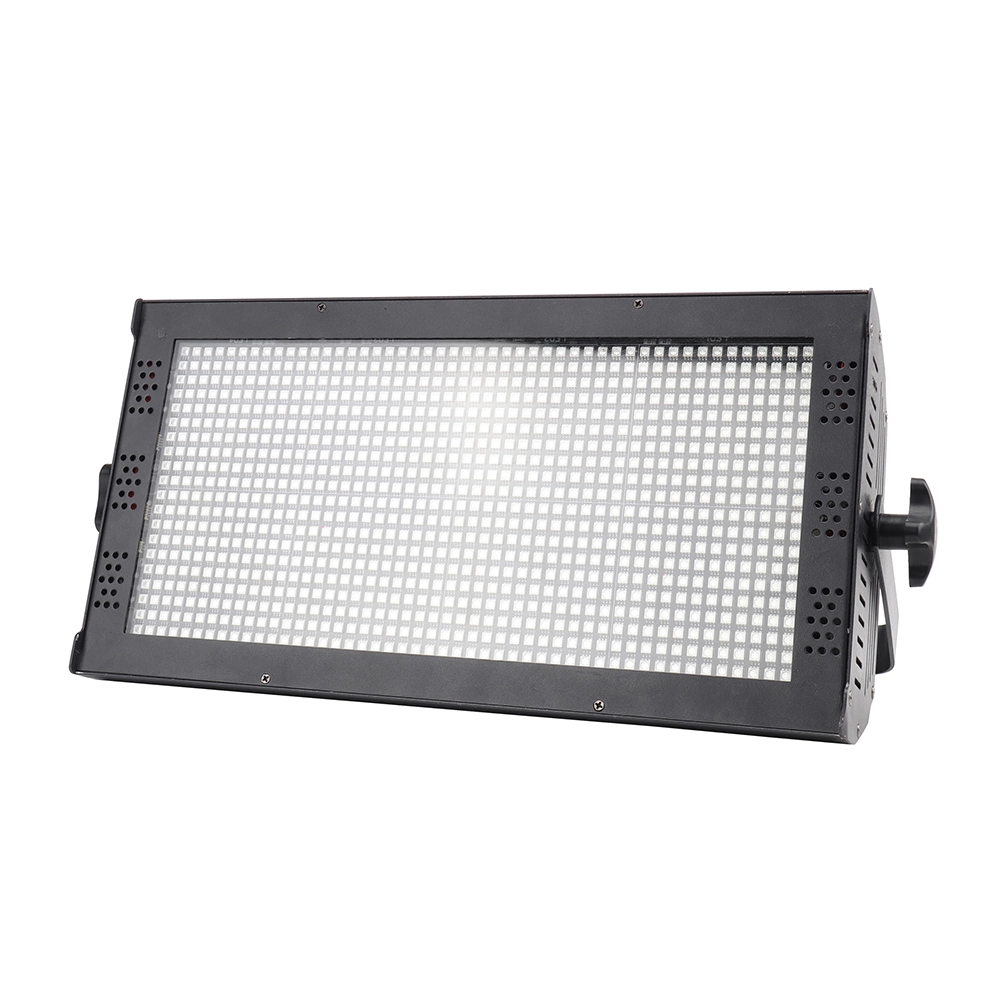
Introducing the KIMU 1080Pcs RGB 3in1 LED Strobe Light, the perfect solution for vibrant stage lighting at any bar, club, or event. With full-color spectrum capabilities and DMX512 compatibility, our strobe light delivers dynamic and stunning visual effects.
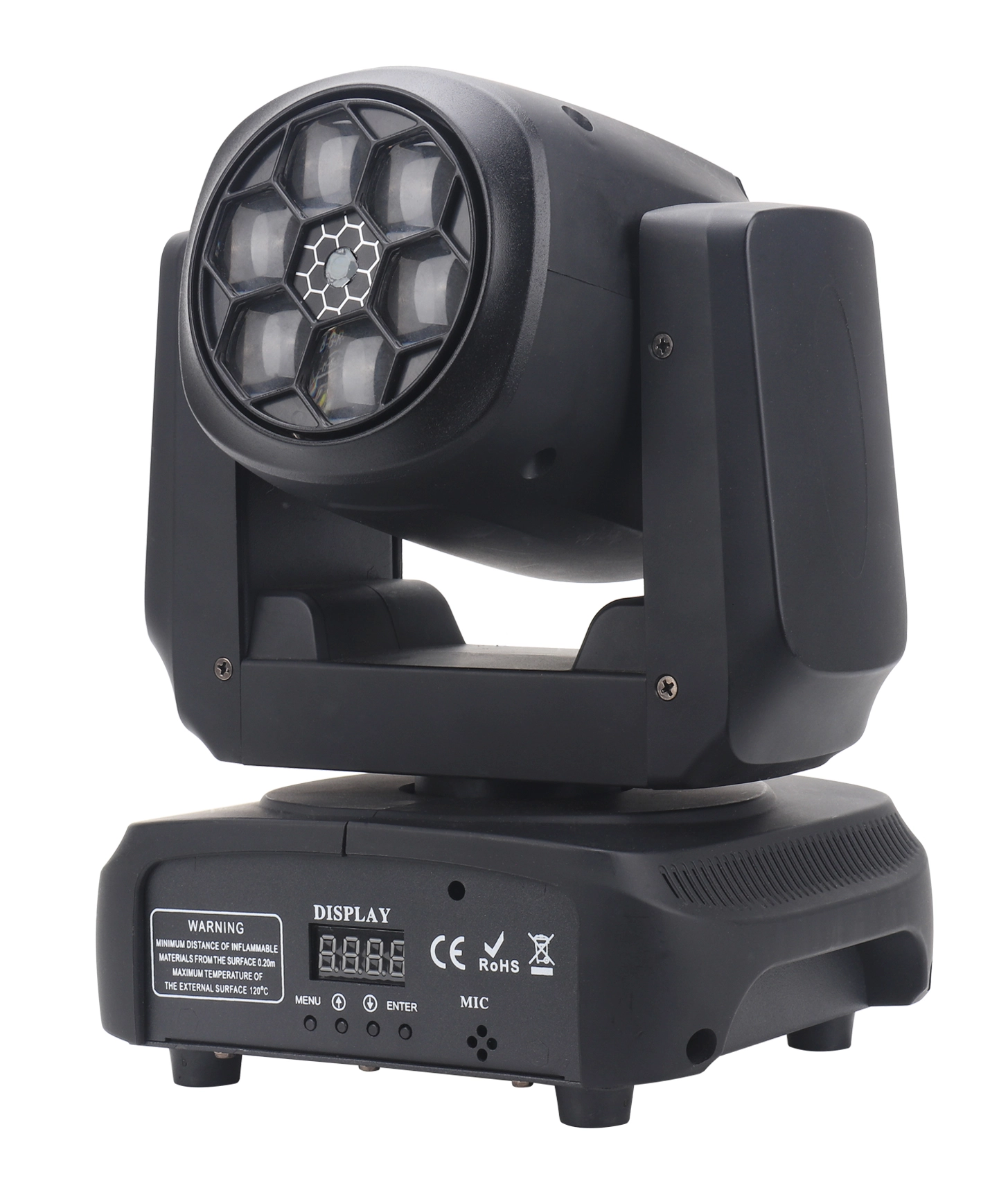
Illuminate your events with the KIMU 6 Bee Eye DJ Disco Light, a versatile 4-in-1 DMX LED Moving Head Light. Perfect for parties and stages, it combines RGBW laser effects with seamless movement for a dazzling display.
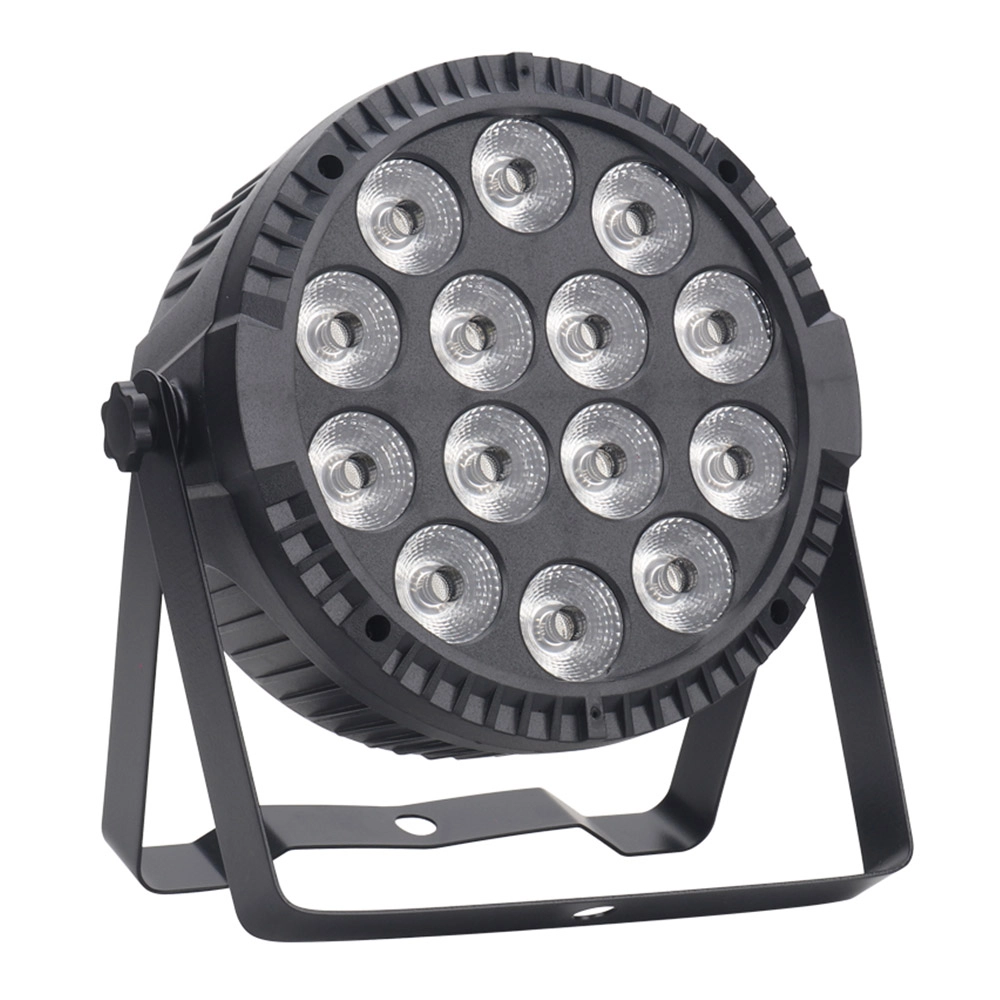
Introducing the KIMU 14pcs*6W Stage Wash Par Disco DJ Light—your ultimate solution for vibrant lighting at events, clubs, and shows. This professional LED PAR light ensures dazzling illumination, enhancing your venue's atmosphere effortlessly. Designed for DJs and lighting professionals, its high-efficiency 6W LEDs deliver consistent, bright colors and smooth washes. Ideal for stage setups, it offers versatility and reliability. Elevate your lighting with KIMU's top-tier Stage Wash Par Light and transform every event into an unforgettable spectacle.
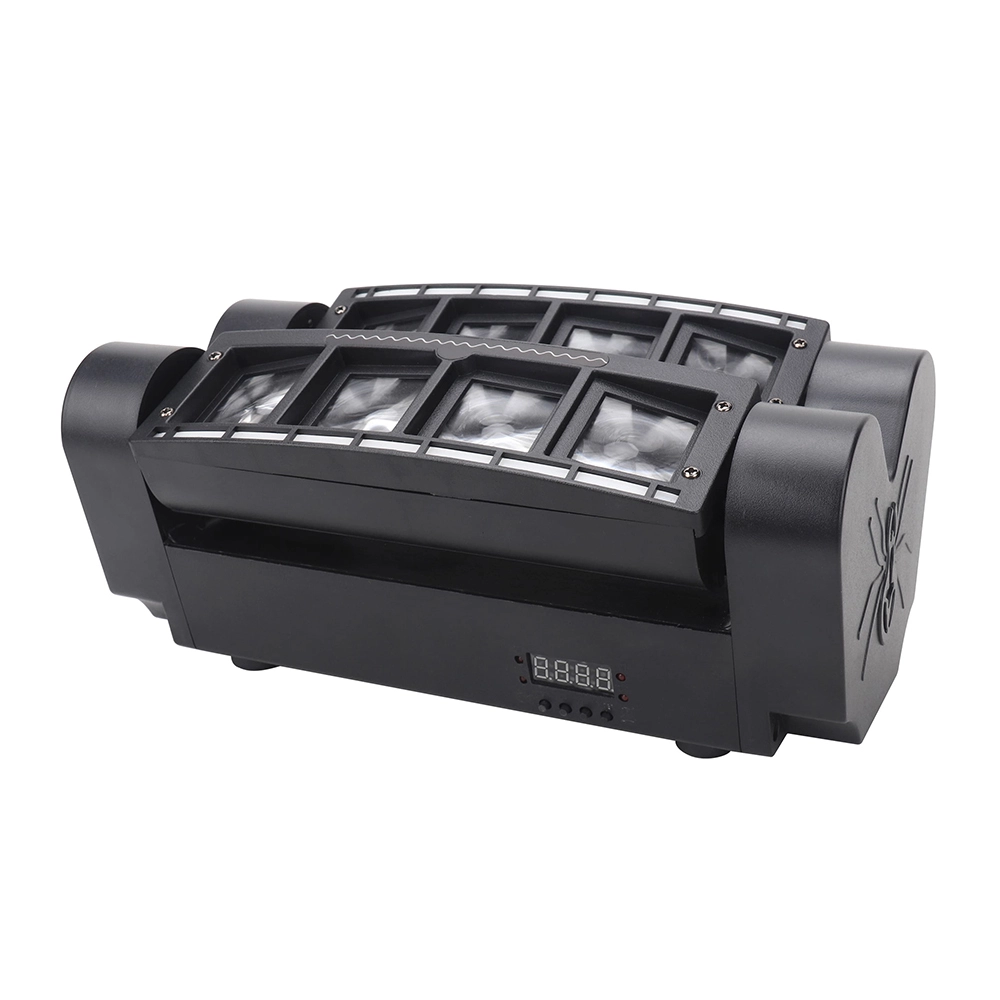
Illuminate your events with the KIMU Disco Lights Party Mini Led Spider Beam RGBW Ring Laser Moving Head Light. This compact yet powerful mini spider moving head light offers vibrant RGBW colors, ensuring a dynamic visual experience.
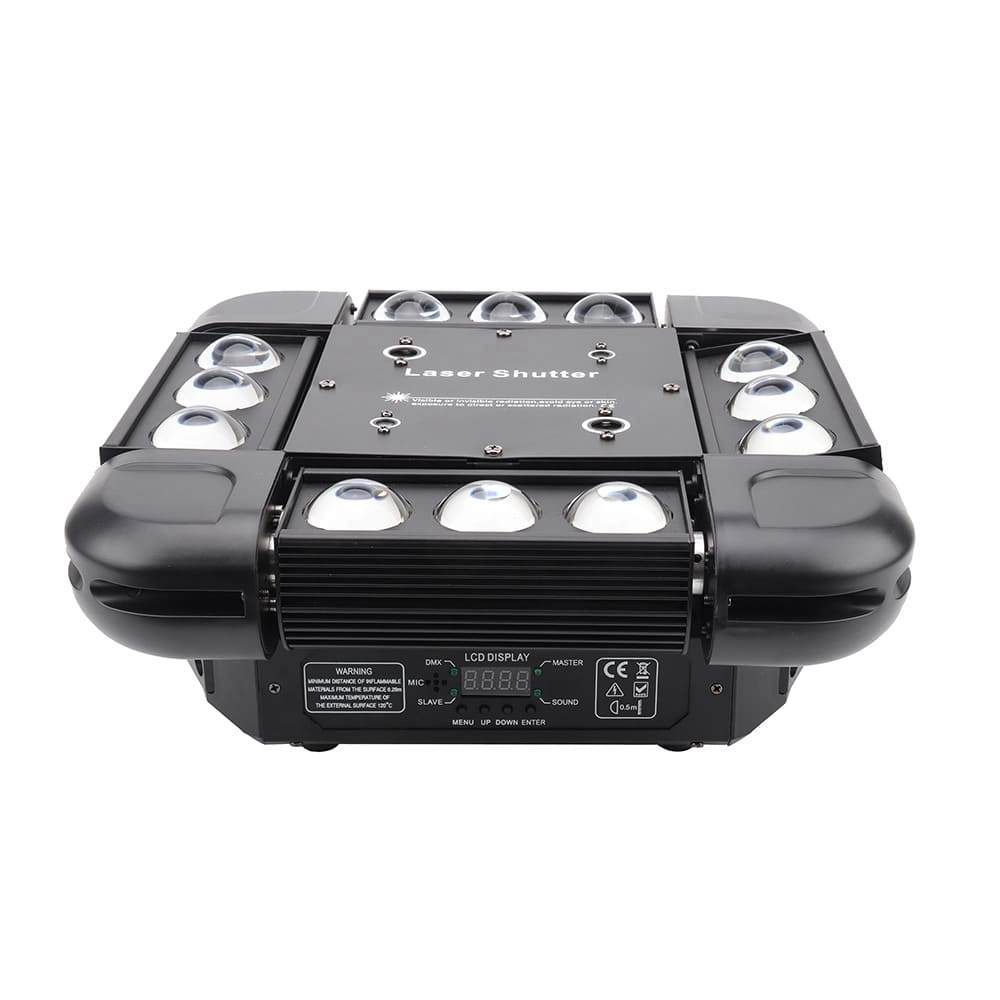
Introducing the KIMU High Brightness 12LED *10W LED Storm Beam Light RGBW 4in1 Laser Moving Head Light. Elevate your events with vibrant, dynamic lighting and seamless color transitions. With 12 powerful LEDs, experience vivid illumination that transforms any space.
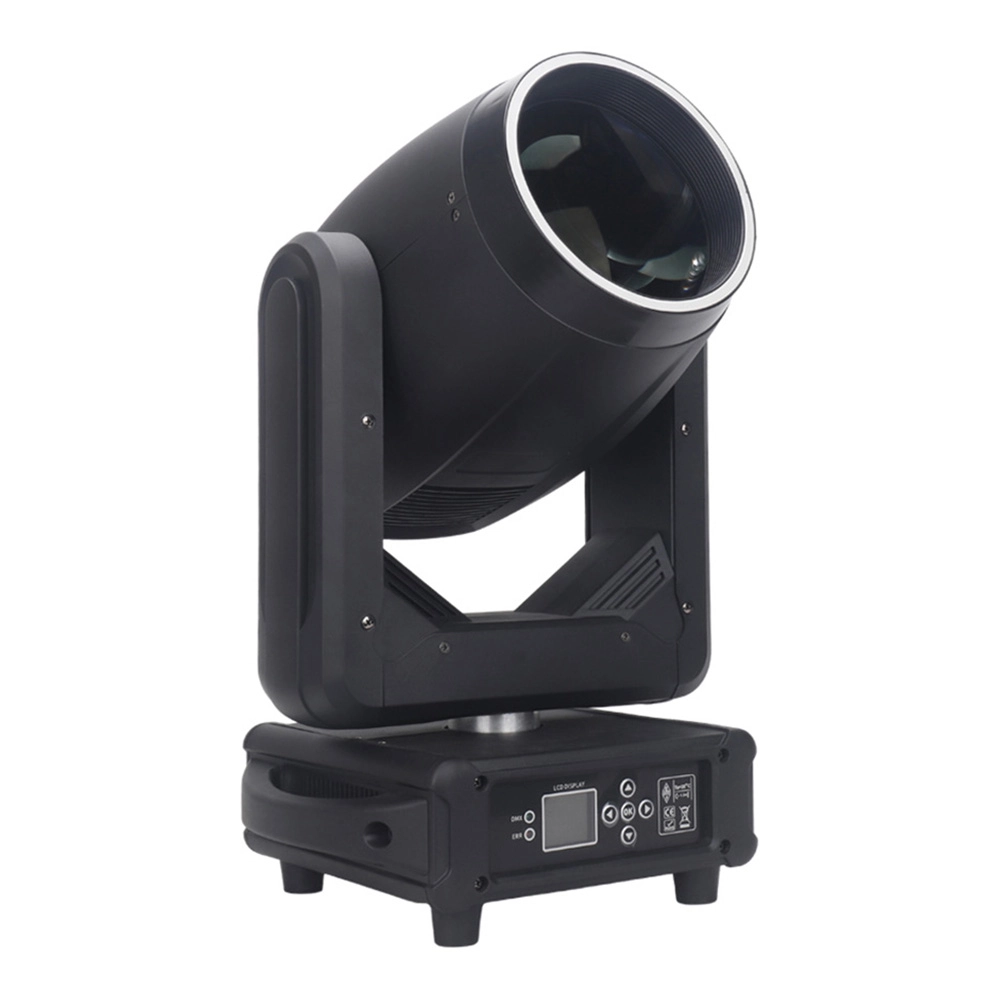
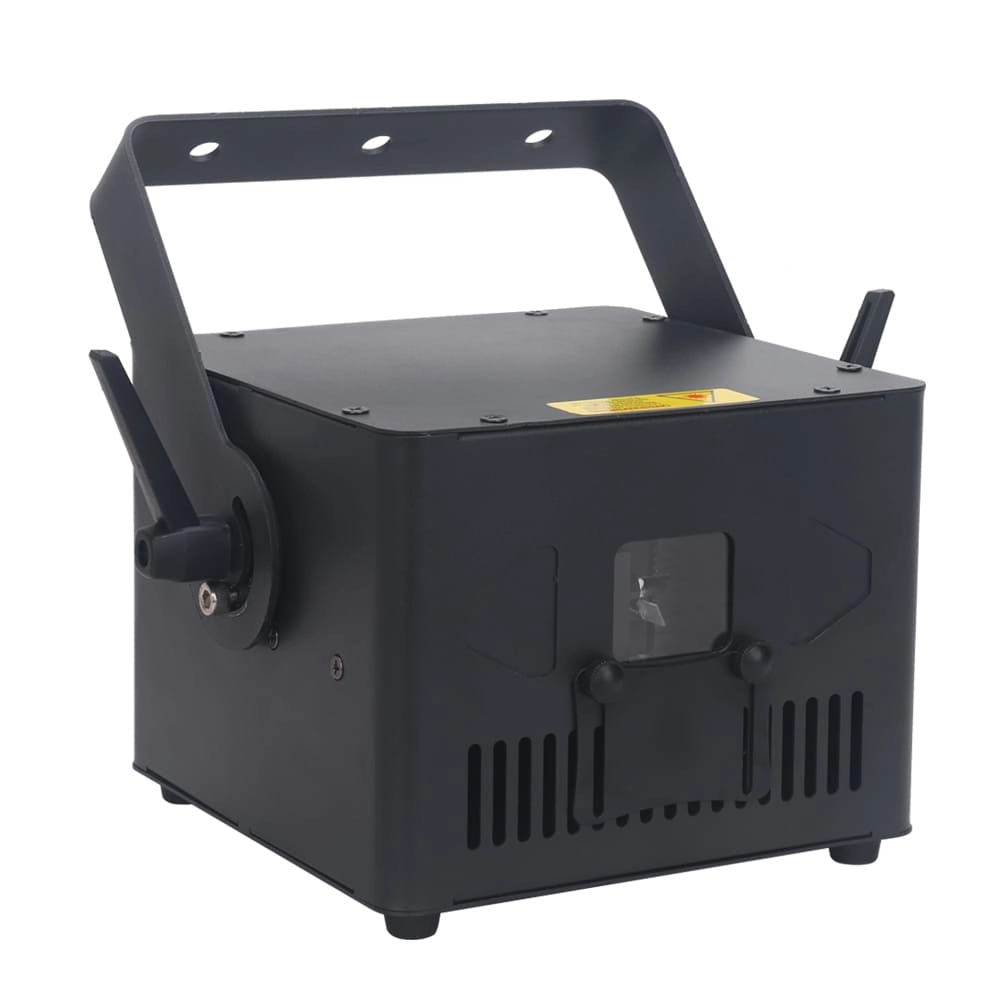
Illuminate your events with the KIMU Wireless 5W Laser Light. Perfect for night clubs and stage events, this RGB laser stage light combines DMX and Bluetooth technology for seamless control.
© 2024 KIMU ALL RIGHTS RESERVED.
Instagram
Facebook
KIMU LIGHTING