












how to make a moving head light | KIMU Guide
This guide teaches professionals how to build moving head lights, covering component selection (LEDs, motors, DMX), assembly, wiring, calibration, and troubleshooting. Master the art of creating dynamic, precise lighting solutions. Build your own today!
How to Make a Moving Head Light: A Guide for Professionals
This article provides a practical guide to designing and building moving head lights, addressing common challenges faced by lighting professionals. We'll cover the essential components, assembly techniques, and troubleshooting tips for creating high-quality, reliable moving head lighting fixtures.
Understanding Moving Head Light Mechanics
Moving head lights, also known as automated luminaires, combine a powerful light source with precise pan and tilt mechanisms. These motorized movements allow for dynamic and targeted illumination, crucial in stage lighting, architectural lighting, and other professional applications. The core components are the lamp (often an LED or discharge lamp), the optical system (lenses and gobos), the pan and tilt motors, and the control system.
Choosing the Right Components
Selecting appropriate components is critical. The light source's power output and color temperature must align with your intended application. High-quality pan and tilt motors, known for their precision and speed, are essential for smooth, reliable movement. The control system, often based on DMX (Digital Multiplex) protocols, dictates how the moving head light responds to commands. Consider factors like power consumption, motor torque, and DMX compatibility when making your choices.
Assembly and Wiring
The assembly process requires careful attention to detail. Securely mount the motors to the chassis, ensuring proper alignment for smooth pan and tilt action. The optical system must be precisely aligned with the light source to achieve the desired beam shape and projection. Wiring is crucial; incorrect wiring can lead to malfunction or damage. Consult the manufacturer’s specifications for each component and adhere strictly to the wiring diagram.
Calibration and Testing
Once assembled, calibrate the moving head light to ensure precise movement and accurate positioning. This typically involves adjusting the motor limits and fine-tuning the response to DMX commands. Thorough testing under various operating conditions is vital to identify and rectify any issues before deployment. Pay close attention to motor noise, heat dissipation, and the consistency of the light output.
Troubleshooting Common Issues
Several common issues can arise during the assembly or operation of a moving head light. These can include motor malfunctions (e.g., jerky movements, noise), incorrect DMX addressing, and problems with the optical system (e.g., misalignment, poor focus). Systematic troubleshooting, often involving visual inspection and testing individual components, is essential to isolate and resolve these issues effectively.
Recommended for you
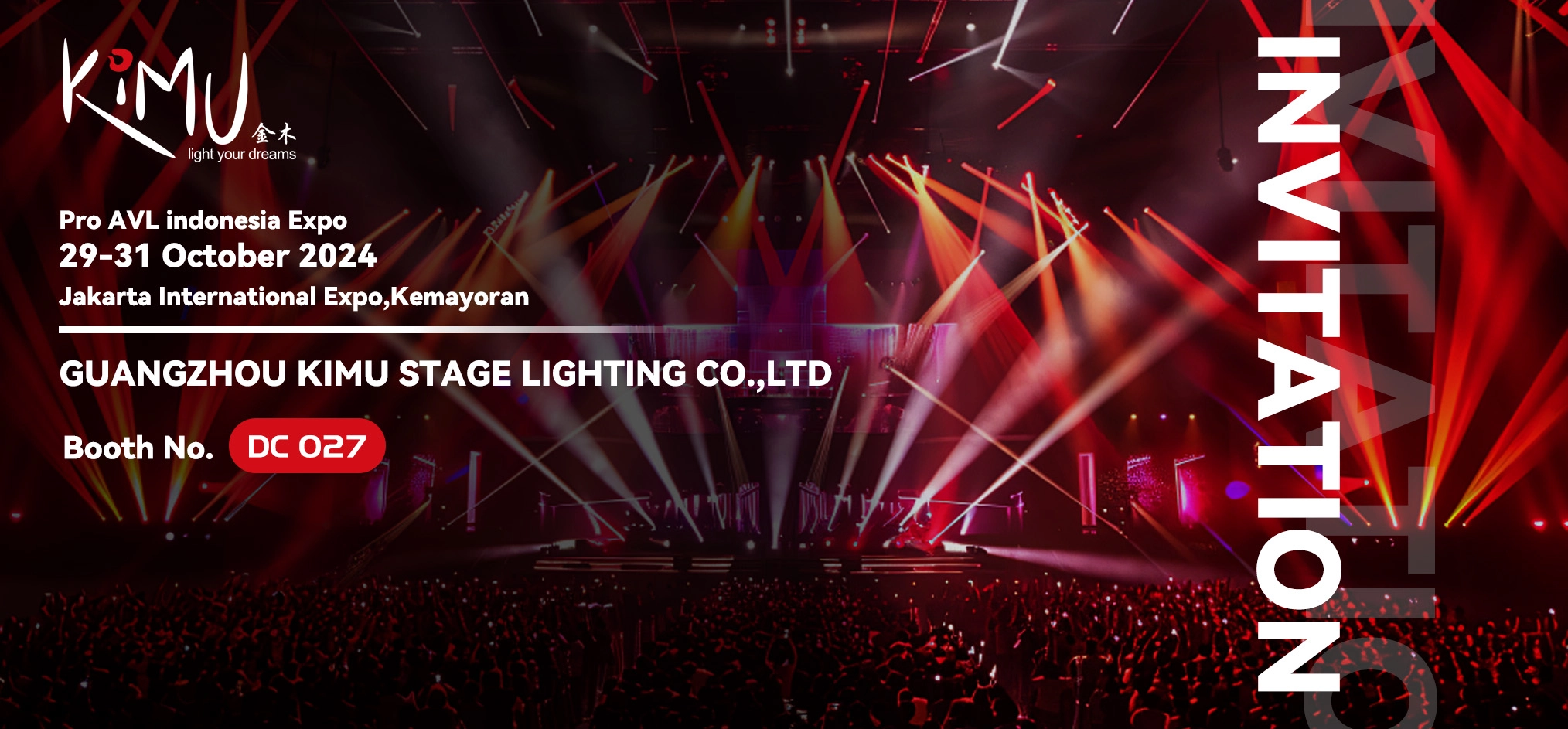
Join Us at Pro AVL Indonesia Expo 2024!
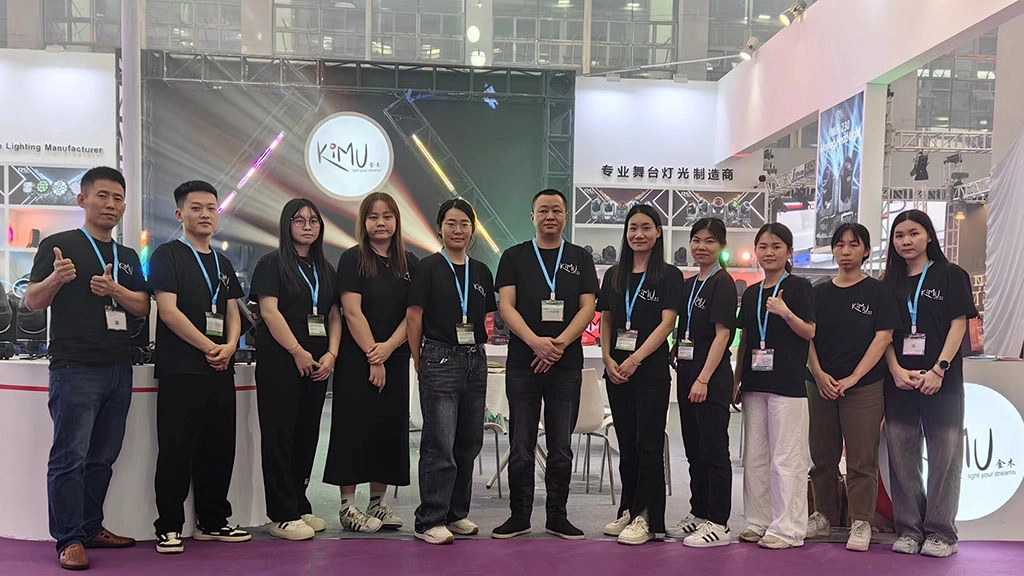
KIMU Shines Bright at Guangzhou Lighting & Sound Exhibition 2024
What is a moving beam? | KIMU Guide
how to make a moving head light | KIMU Guide
A Fresh Start at KIMU: Stage Lighting Factory Welcomes a New Year of Opportunities
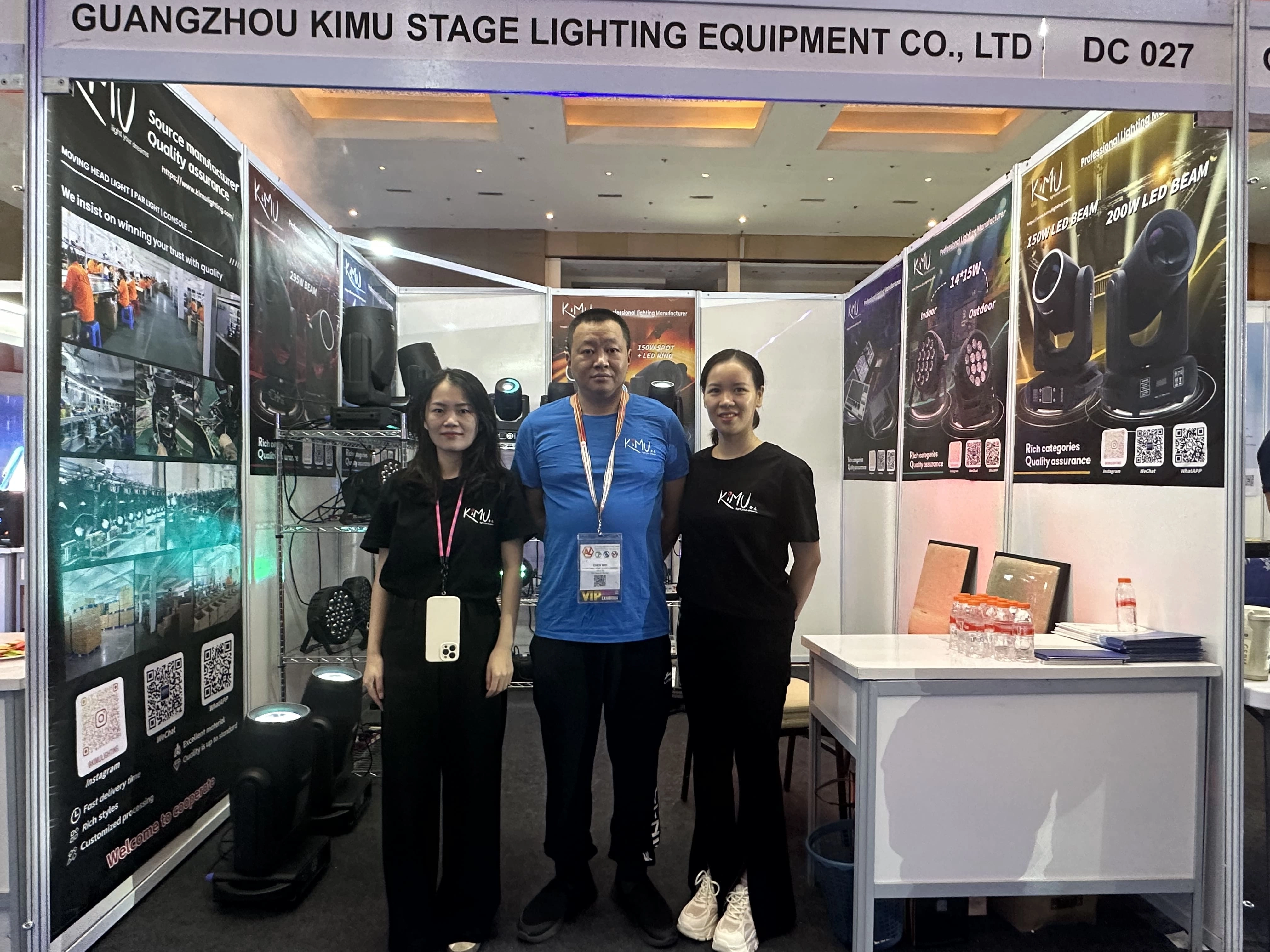
KIMU Shines at Pro AVL Indonesia Expo: A Triumph for Top Stage Lighting Brands
No MOQ.
1. All products and flight cases can be printed with custom logos.
2. A moving head light can make a custom glass pattern.
We offer multiple shipping options including air, sea, and express courier services.
Yes, we provide tracking information for all shipped orders.
get in touch
To reach out to us, simply fill out the form below with your name, email address, and message detailing your requirements or questions.
Our dedicated team of lighting experts is committed to providing timely and personalized responses to ensure your satisfaction.
You may also like
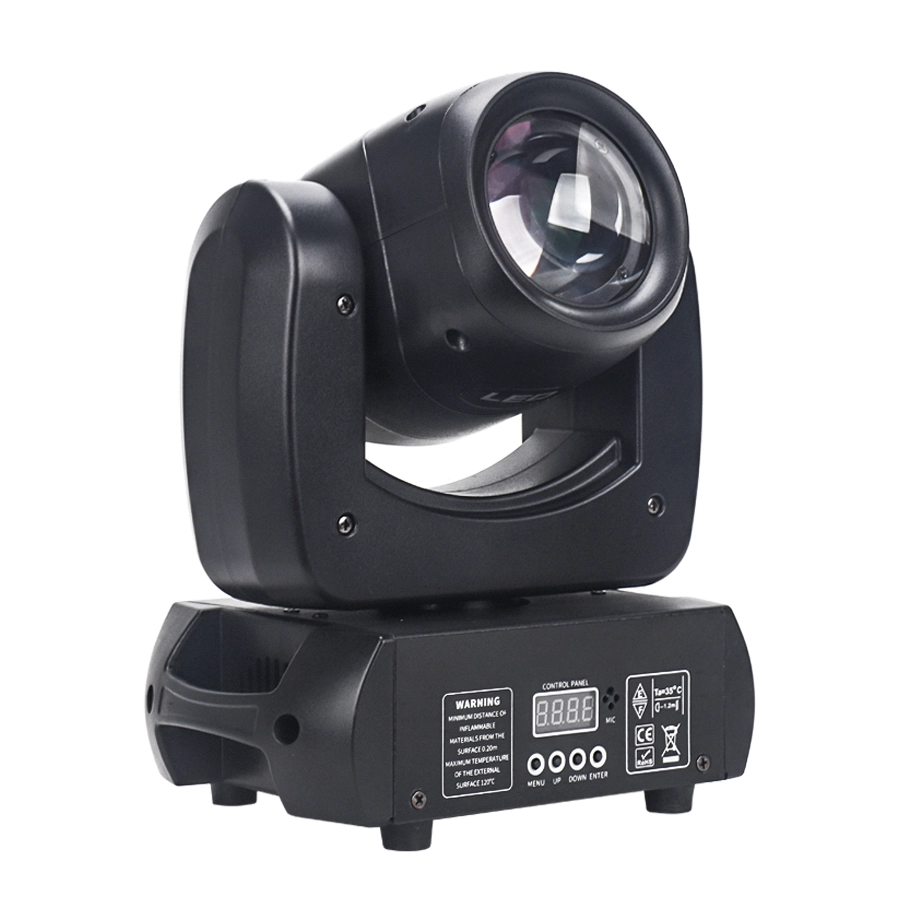
Introducing the KIMU 100W Beam Moving Head Light, the ultimate LED solution for weddings, DJ sets, and disco parties. Manufactured with precision by a leading LED moving head beam light factory, this professional beam moving light offers unparalleled performance and vibrant illumination.
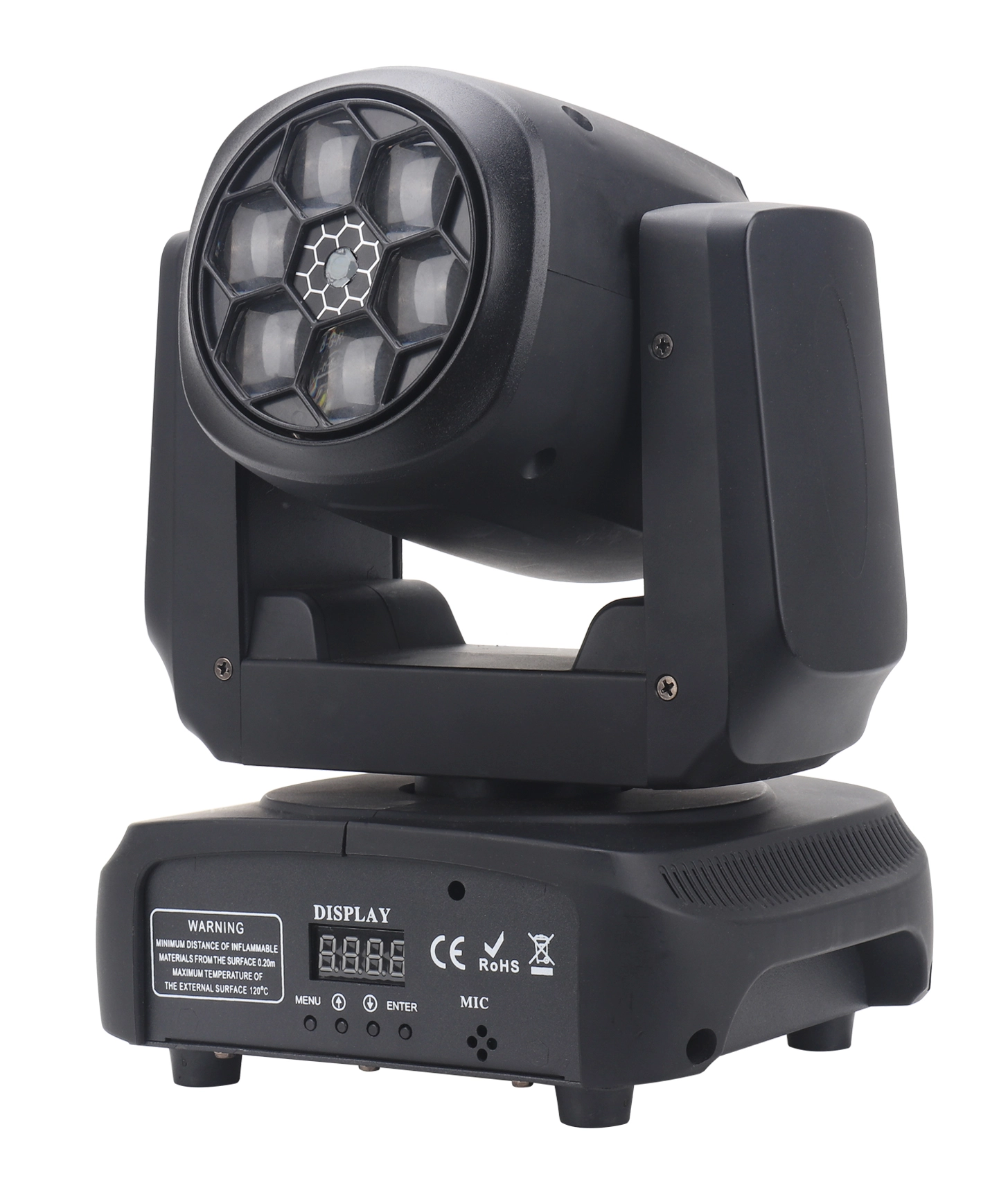
Illuminate your events with the KIMU 6 Bee Eye DJ Disco Light, a versatile 4-in-1 DMX LED Moving Head Light. Perfect for parties and stages, it combines RGBW laser effects with seamless movement for a dazzling display.
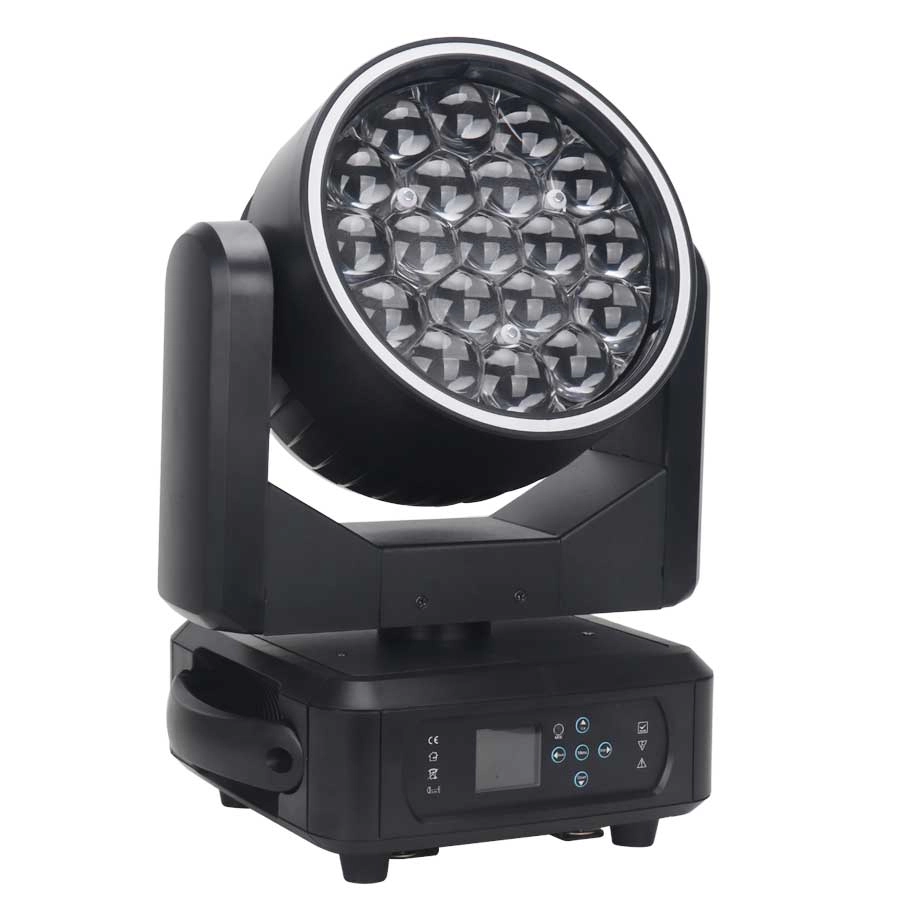
Enhance your stage performances with the KIMU DJ Equipment 19x15w DMX Wash Zoom LED Moving Head Light. Crafted for those who prioritize quality, our innovative LED zoom moving head light delivers precision and vibrant lighting effects, perfect for dynamic stage environments. Trusted by top DJ stage lighting factories, this versatile fixture ensures seamless transitions with its superior wash zoom capabilities.
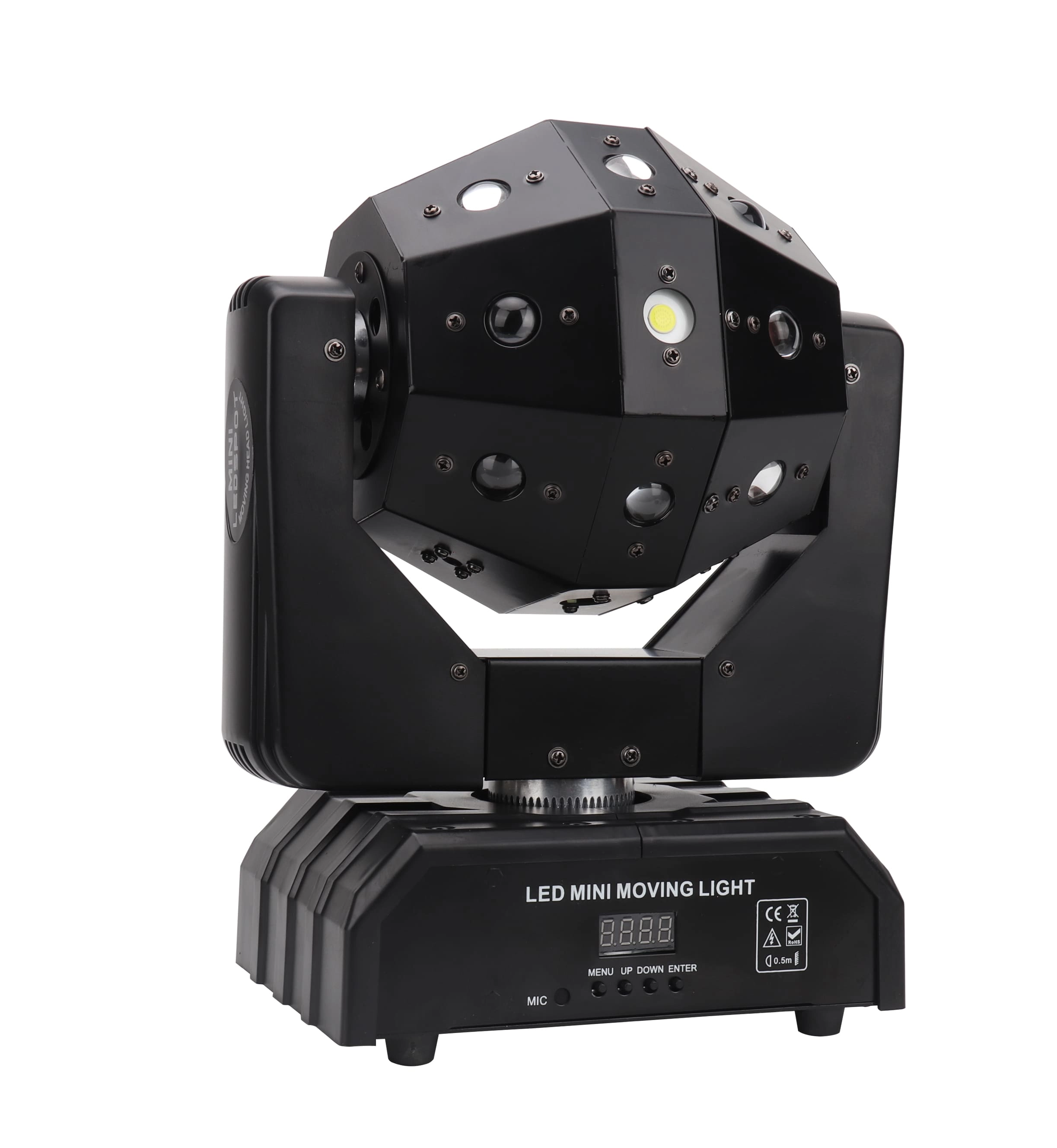
Introducing the KIMU Magic Dj Disco Ball, a revolutionary 3in1 LED moving head stage light. Featuring 16 pieces of 3W strobe beam lasers, this robust light transforms any event with its dynamic effects. Perfect for parties and professional events, it elevates the atmosphere effortlessly.
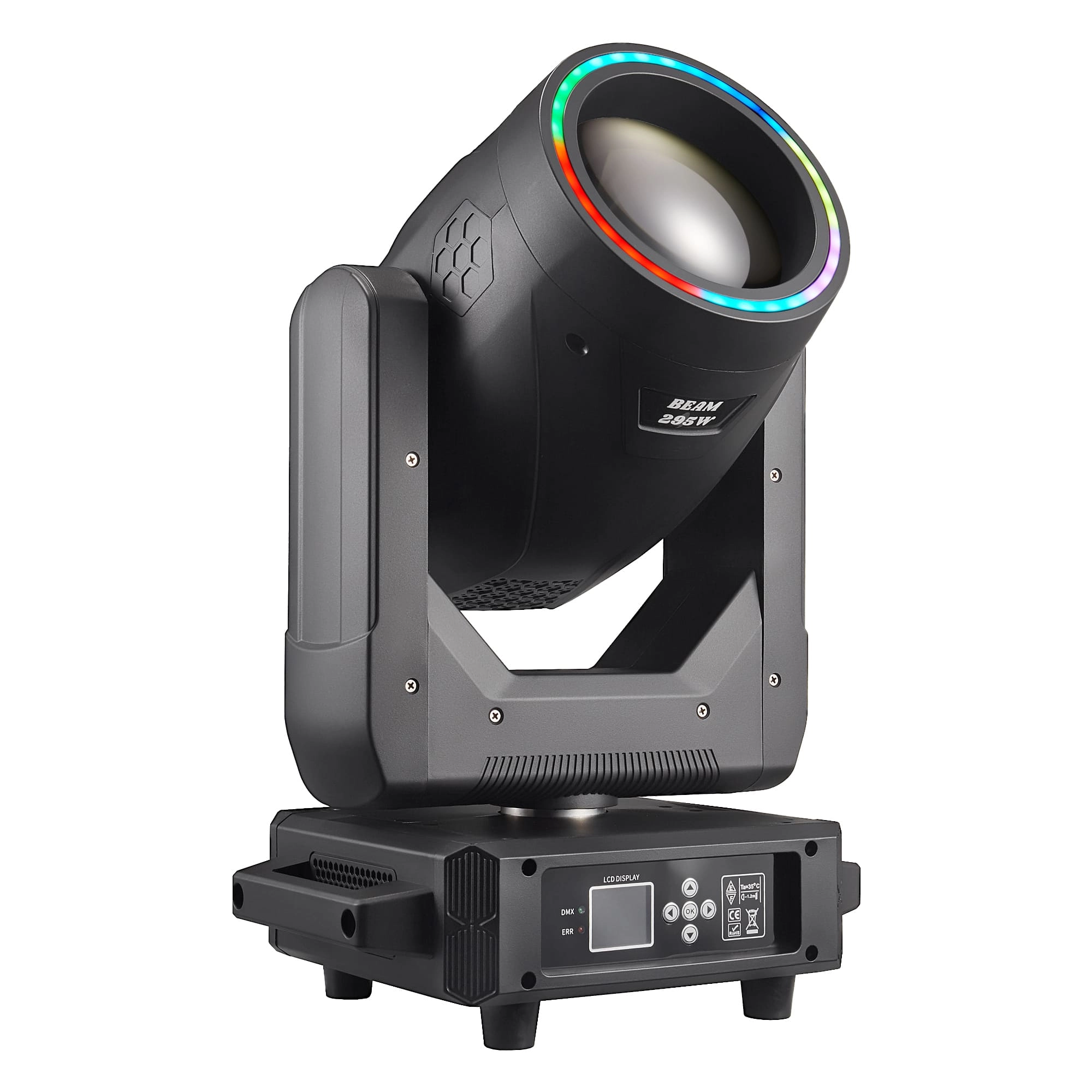
Introducing the KIMU Professional 295W Beam Light – the ultimate solution for stunning stage visuals. This moving head light features a 14r double prism and rainbow spot effect, perfect for disco clubs and stage performances.
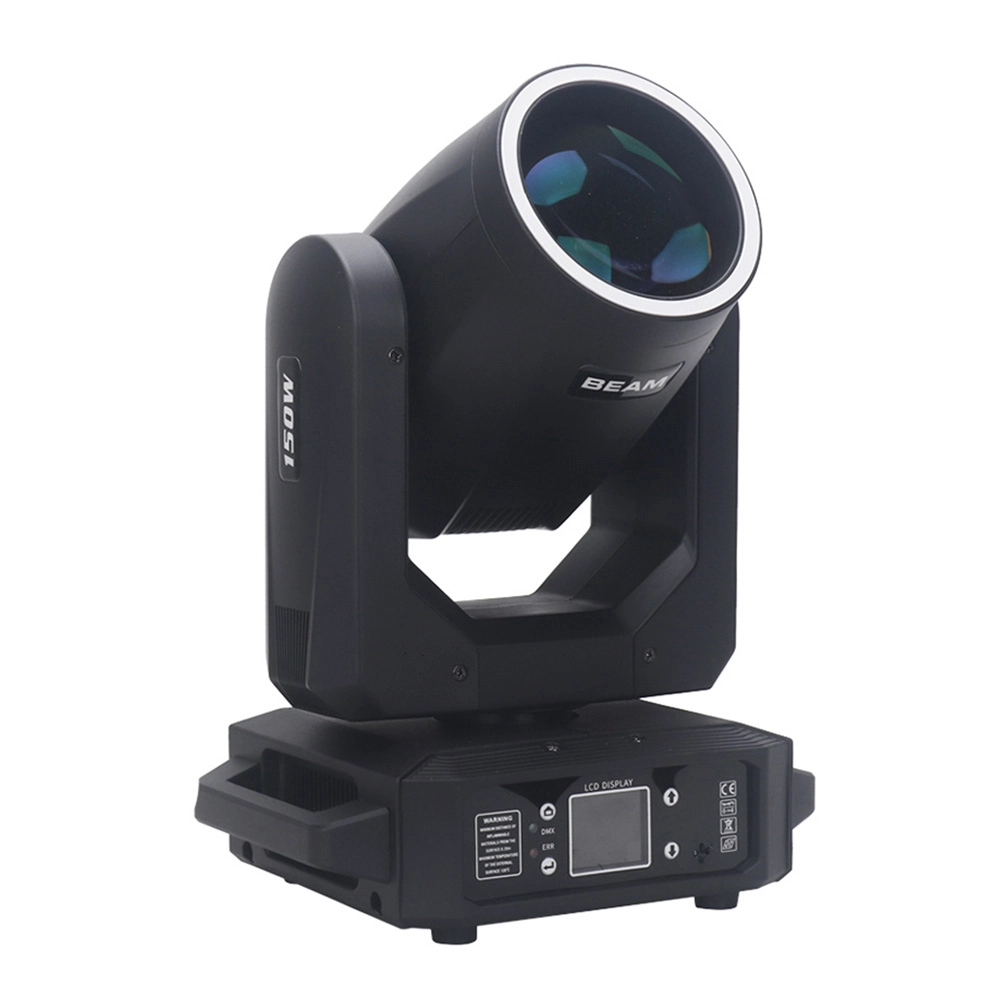
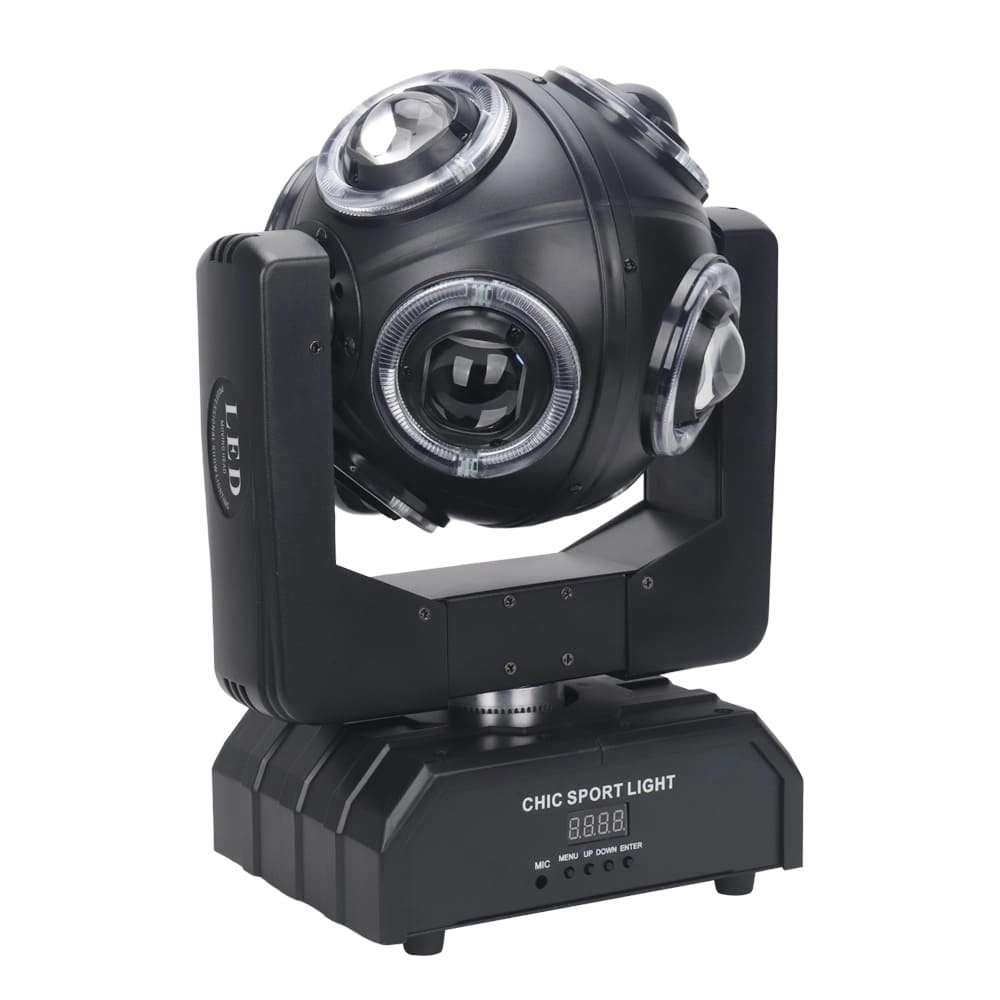
Illuminate your events with the KIMU 8X10W LED Magic Ball Stage Moving Head Lights. Perfect for parties, KTV, clubs, and DJ setups, these dynamic disco lights transform any venue with vibrant colors and mesmerizing movement.
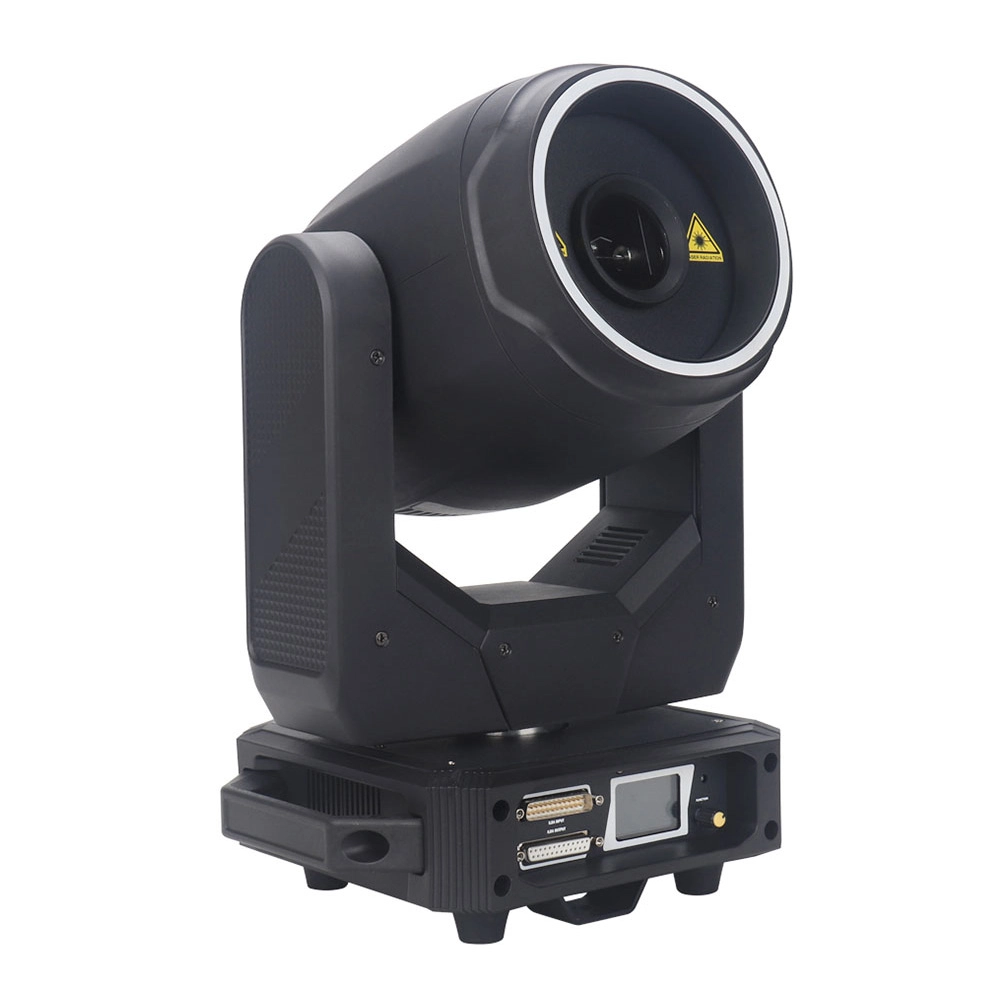
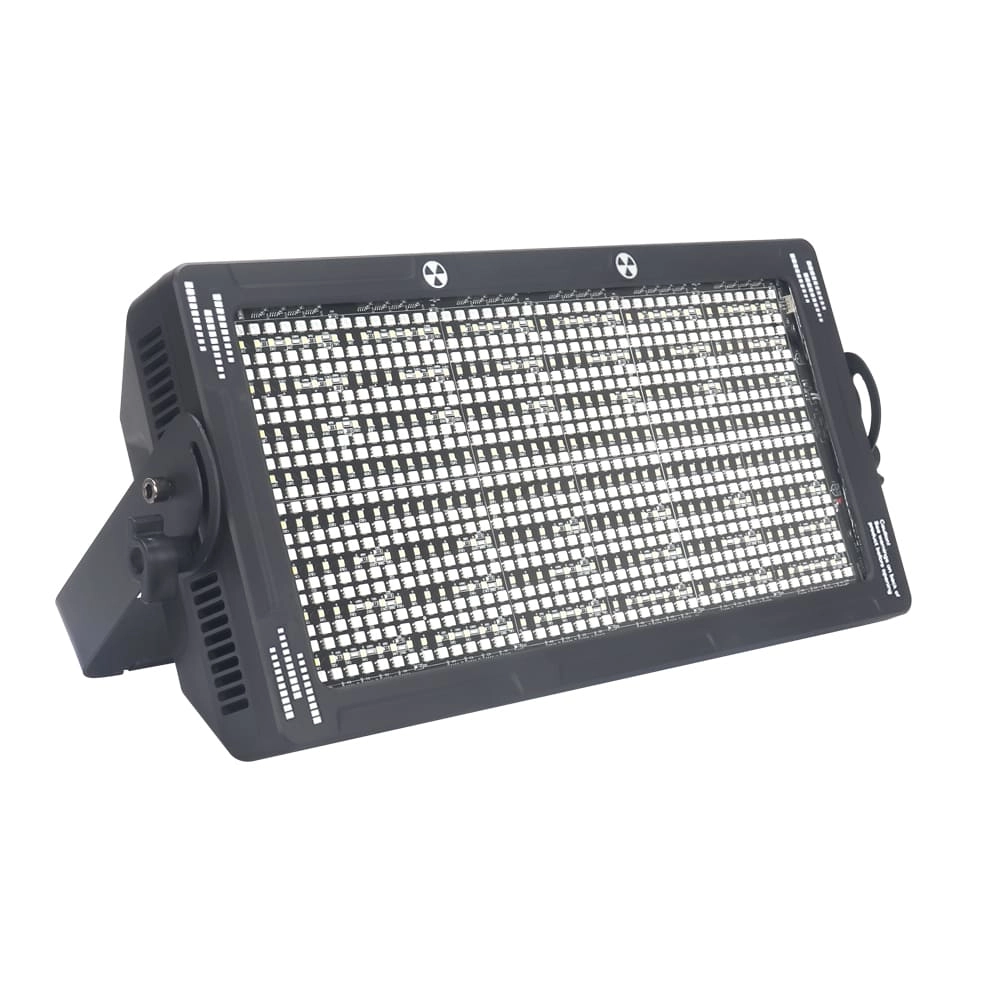
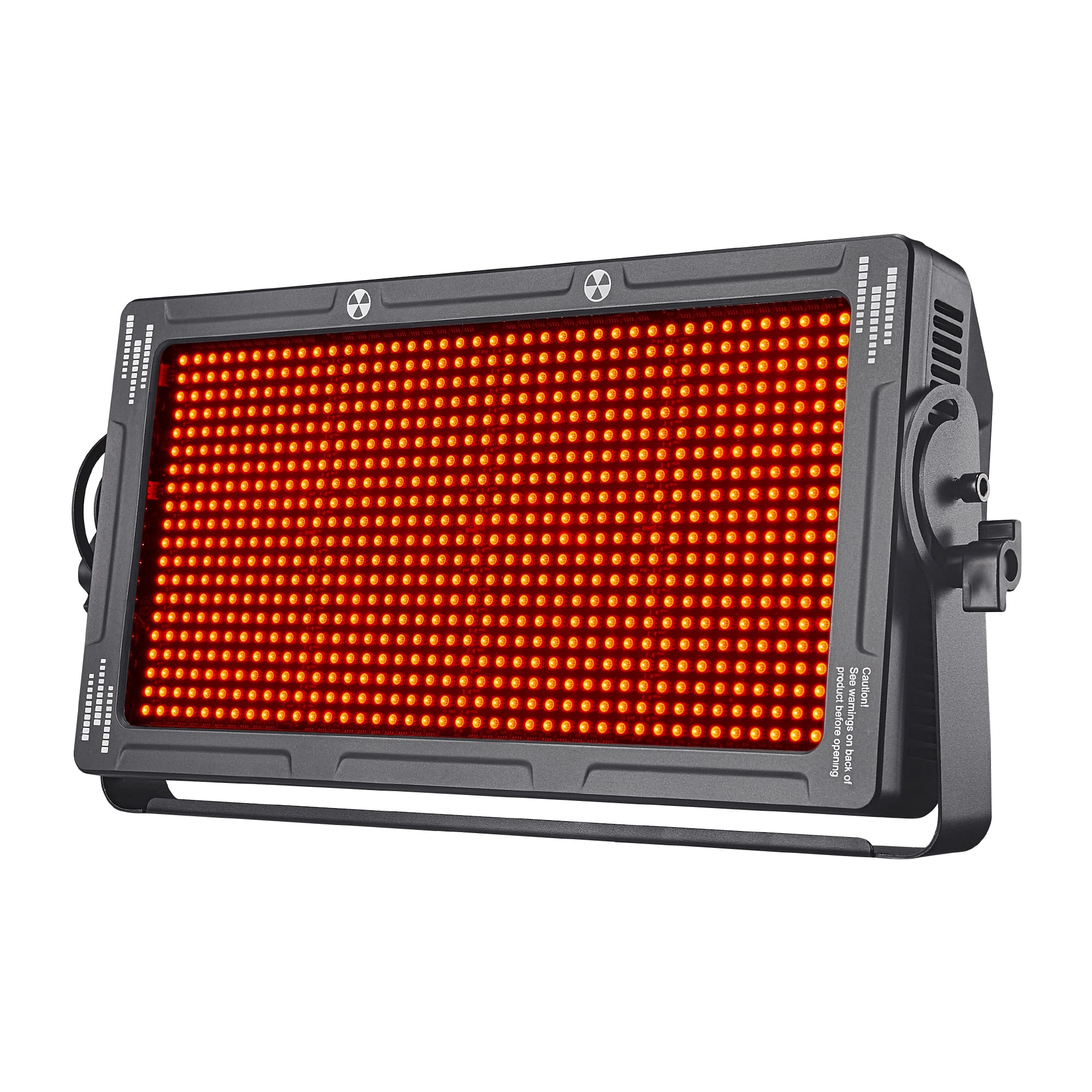
Introducing the KIMU 48 Segment RGBW LED Strobe Light – a dynamic lighting solution perfect for DJs and event planners. This versatile strobe light offers a high-brightness wash effect, customizable letters, and numbers display via DMX control, amplifying any performance.
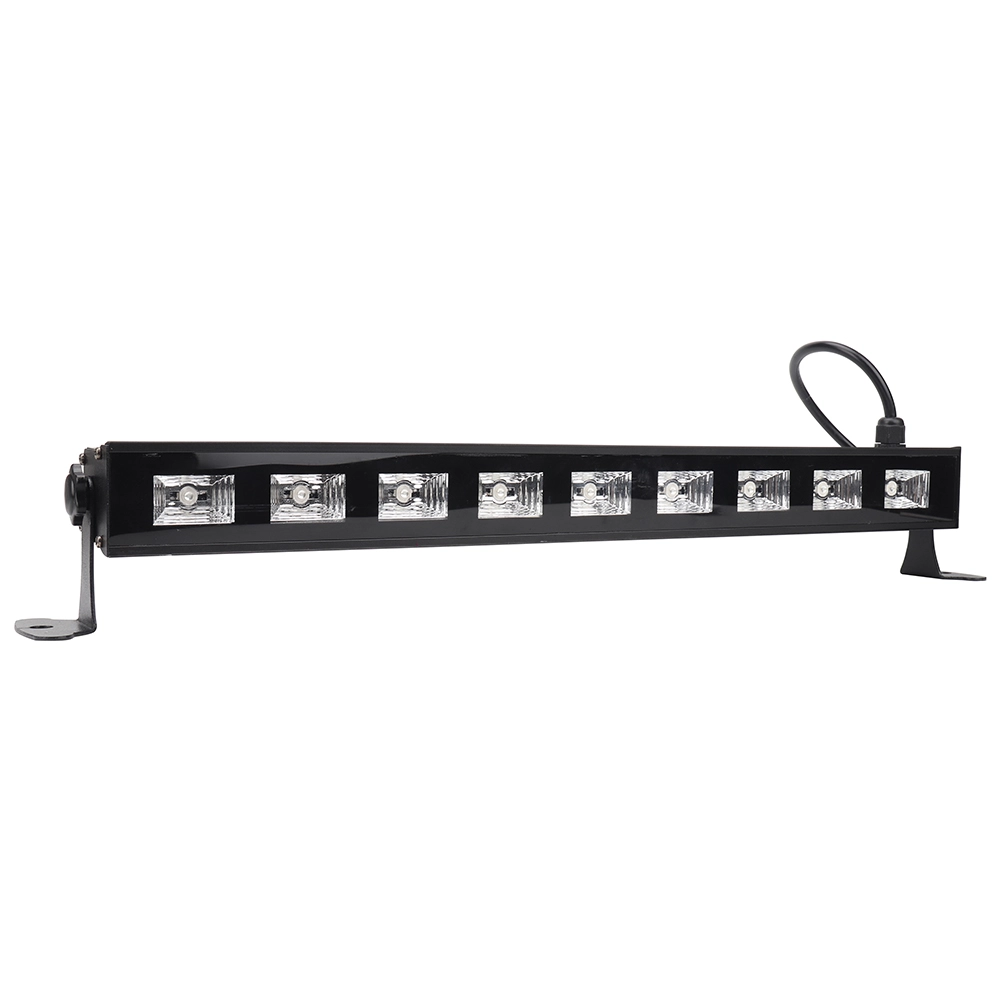
Illuminate your events with the KIMU 9pcs*3W LED UV Stage Light. Perfect for nightclubs and bars.
© 2024 KIMU ALL RIGHTS RESERVED.
Instagram
Facebook
KIMU LIGHTING