










What is a moving head light and how does it work? | Insights by KIMU
Explore the functionality, types, features, and considerations for purchasing moving head lights in this detailed guide.
- What Are Moving Head Lights?
- How Do Moving Head Lights Work?
- What Are the Different Types of Moving Head Lights?
- What Features Should I Consider When Choosing Moving Head Lights?
- Where Are Moving Head Lights Used?
- How Much Do Moving Head Lights Cost?
- How Do I Maintain Moving Head Lights?
- Why Choose KIMU Moving Head Lights?
What Are Moving Head Lights?
Moving head lights are versatile, automated lighting fixtures commonly used in stage productions, concerts, and events. Unlike traditional fixed lights, they can pan (move horizontally) and tilt (move vertically), allowing dynamic and precise illumination. These fixtures often incorporate features like color mixing, gobo projections, and strobe effects, enhancing the visual impact of performances.
How Do Moving Head Lights Work?
The operation of moving head lights involves several key components:
Light Source: Modern moving head lights predominantly use LED technology due to their energy efficiency, longevity, and rapid on/off capabilities.
Optics: Lenses and mirrors focus and direct the light. Features like motorized zoom allow for beam adjustments, and focus controls enable sharpness or blurriness in projections.
Movement Mechanism: Stepper motors facilitate precise pan and tilt movements, enabling the light to cover a wide area and create dynamic effects.
Color Mixing: Techniques such as RGBW (Red, Green, Blue, White) LED mixing allow for the creation of a vast spectrum of colors, providing flexibility in lighting design.
Gobos: These are templates placed in the light path to project patterns or images, adding visual interest to the lighting design.
What Are the Different Types of Moving Head Lights?
Moving head lights are categorized based on their beam characteristics and functionalities:
Spot Fixtures: Designed for precise projections, often using gobos to create patterns and shapes.
Wash Fixtures: Provide a softer, wide beam of light for general stage coverage and color washes.
Beam Fixtures: Generate a narrow, concentrated shaft of light that is highly visible in atmospheric effects like haze or smoke.
Hybrid Fixtures: Combine features of the other types, allowing them to function as spot, wash, and beam units depending on programming.
What Features Should I Consider When Choosing Moving Head Lights?
When selecting moving head lights, consider the following features:
Light Source: Determine whether LED, halogen, or discharge lamps best suit your needs, considering factors like brightness, energy efficiency, and maintenance requirements.
Optical System: Evaluate the quality of lenses and reflectors, as they affect the sharpness and clarity of projections.
Movement Range: Assess the pan and tilt capabilities to ensure the light can cover the desired area.
Color Mixing Capabilities: Look for fixtures with advanced color mixing options to achieve the desired lighting effects.
Additional Effects: Consider features like prisms, strobe effects, and frost filters to enhance the visual impact.
Where Are Moving Head Lights Used?
Moving head lights are utilized in various settings, including:
Concerts and Festivals: To create dynamic lighting effects that complement musical performances.
Theater Productions: For highlighting actors, set pieces, and creating mood through lighting.
Corporate Events and Presentations: To enhance presentations and events, creating a professional atmosphere and drawing attention to speakers or products.
Nightclubs and Entertainment Venues: To add excitement and energy to the environment.
How Much Do Moving Head Lights Cost?
The cost of moving head lights varies based on features and quality:
Entry-Level Models: Priced between $300 and $800, suitable for small venues or beginners.
Mid-Range Models: Ranging from $800 to $2,000, offering enhanced features for professional use.
High-End Models: Over $2,000, providing advanced capabilities for large-scale events and studios.
How Do I Maintain Moving Head Lights?
Proper maintenance ensures longevity and optimal performance:
Regular Cleaning: Keep lenses and reflectors free from dust and debris.
Check for Firmware Updates: Ensure the software is up to date for optimal functionality.
Inspect Mechanical Components: Regularly check motors and moving parts for wear and tear.
Store Properly: When not in use, store lights in a dry, cool place to prevent damage.
Why Choose KIMU Moving Head Lights?
KIMU offers a range of high-quality moving head lights known for their durability, advanced features, and exceptional performance. With a focus on innovation and customer satisfaction, KIMU provides lighting solutions that meet the diverse needs of stage and event productions.
For more information on KIMU's products and services, visit our website.
Recommended for you
how to build a moving head light | KIMU Guide

KIMU Dazzles at the Guangzhou Lighting & Sound Exhibition 2018
What are the different types of moving heads? | KIMU Guide

KIMU Illuminates the Guangzhou Lighting & Sound Exhibition 2019
how to make a moving head light | KIMU Guide
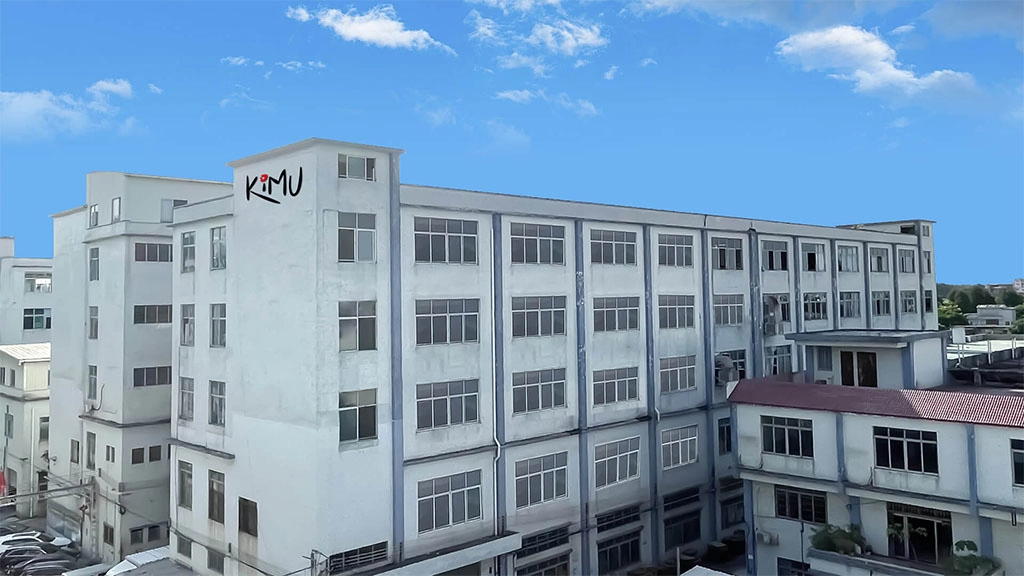
Company Profile: Guangzhou KIMU Stage Lighting Equipment Co., Ltd.
KIMU main product: moving head light, led studio light, led par light, led bar light, led strobe light, stage effect light, laser light.
Please refer to our troubleshooting guide or contact our technical support team for assistance.
It usually takes 2–3 work days.
KIMU stage lights are certified to meet international safety standards, including CE, RoHS, and EMC.
get in touch
To reach out to us, simply fill out the form below with your name, email address, and message detailing your requirements or questions.
Our dedicated team of lighting experts is committed to providing timely and personalized responses to ensure your satisfaction.
You may also like
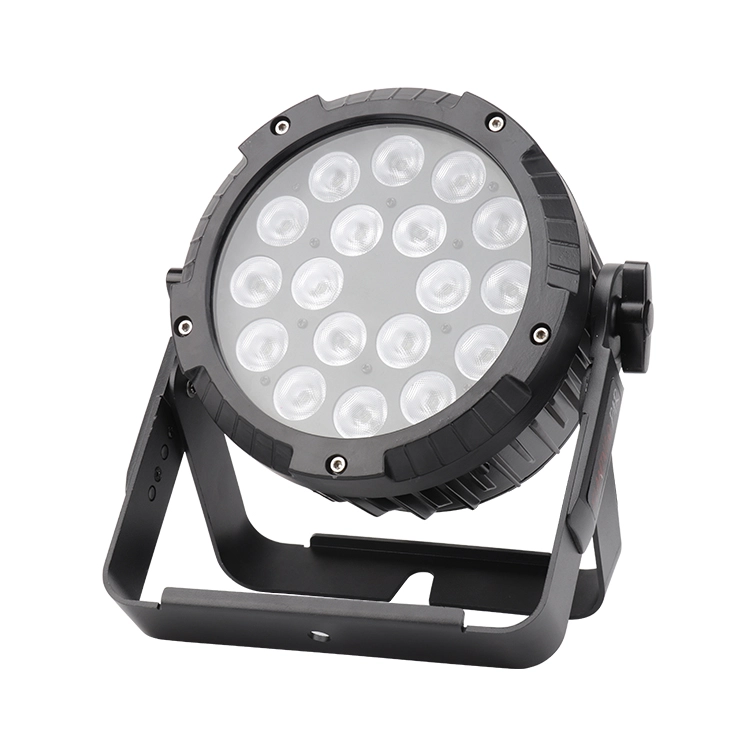
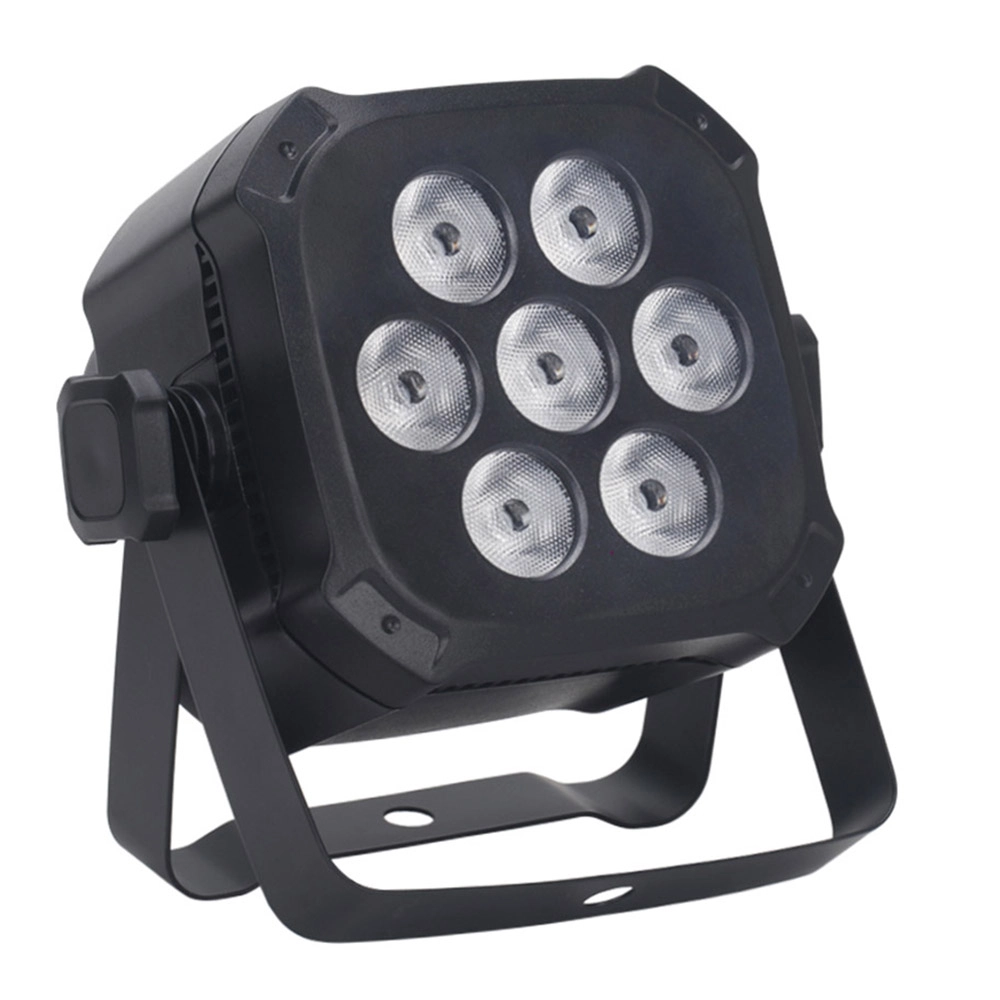
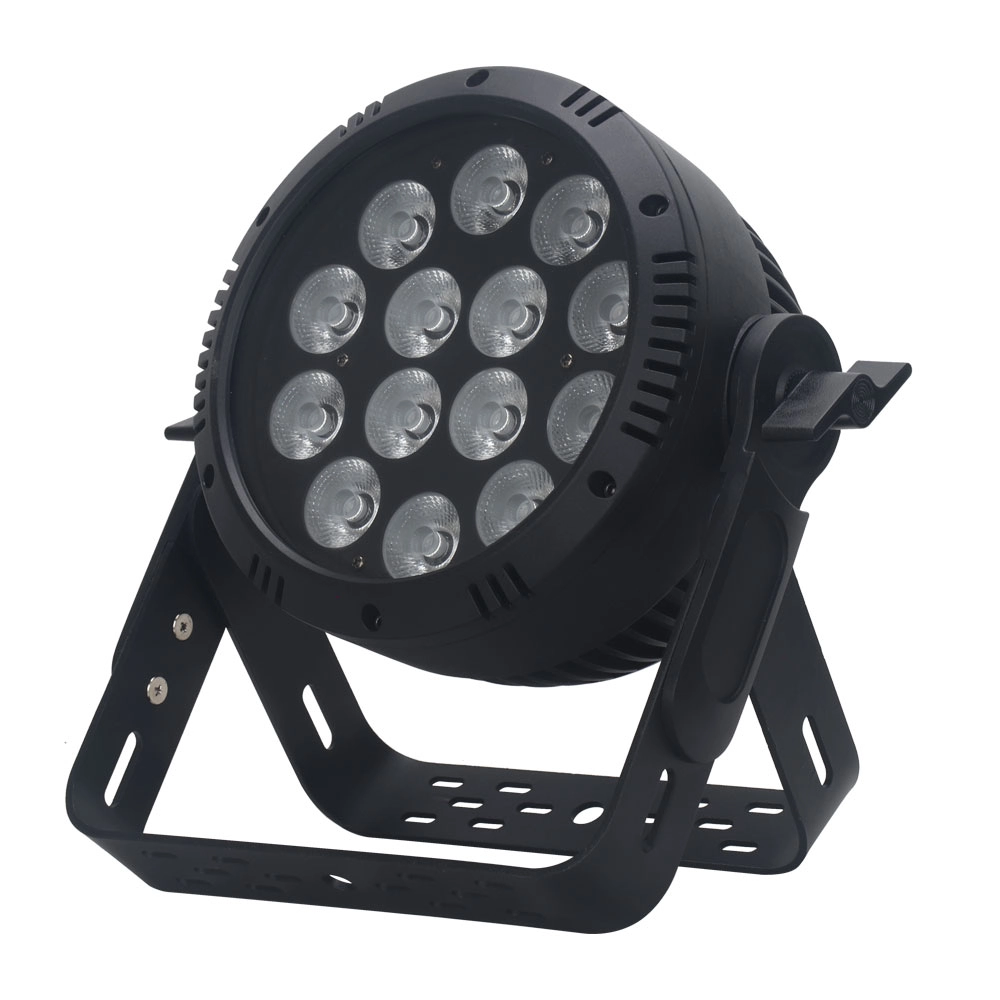
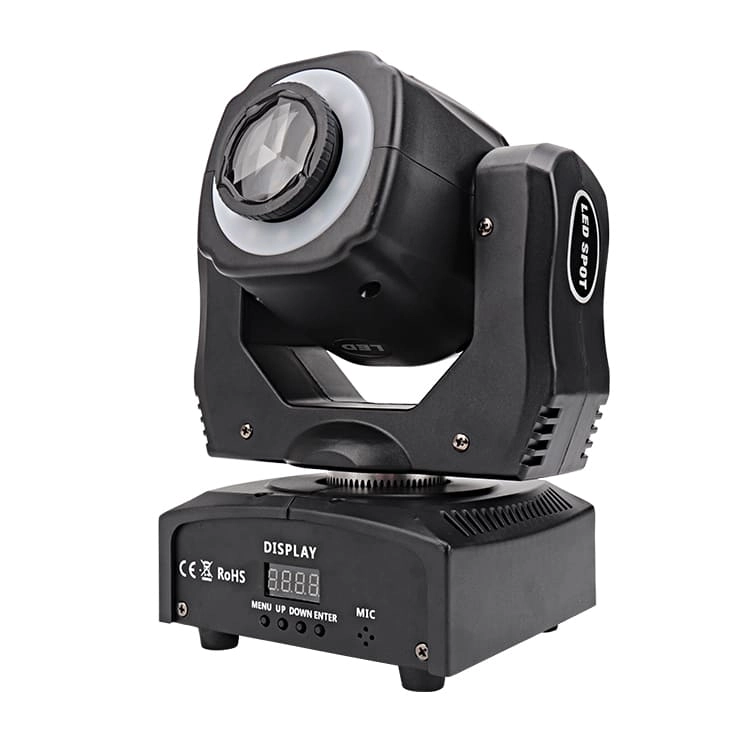
Introducing the KIMU 60W Mini LED Spot Moving Head DJ Disco Lights With 3-prism—your ultimate choice in professional DJ equipment. Elevate your events with stunning, vibrant lighting effects designed to captivate any audience. Perfect for venues seeking professional stage lighting for sale, this compact unit delivers exceptional performance with its innovative 3-prism function.
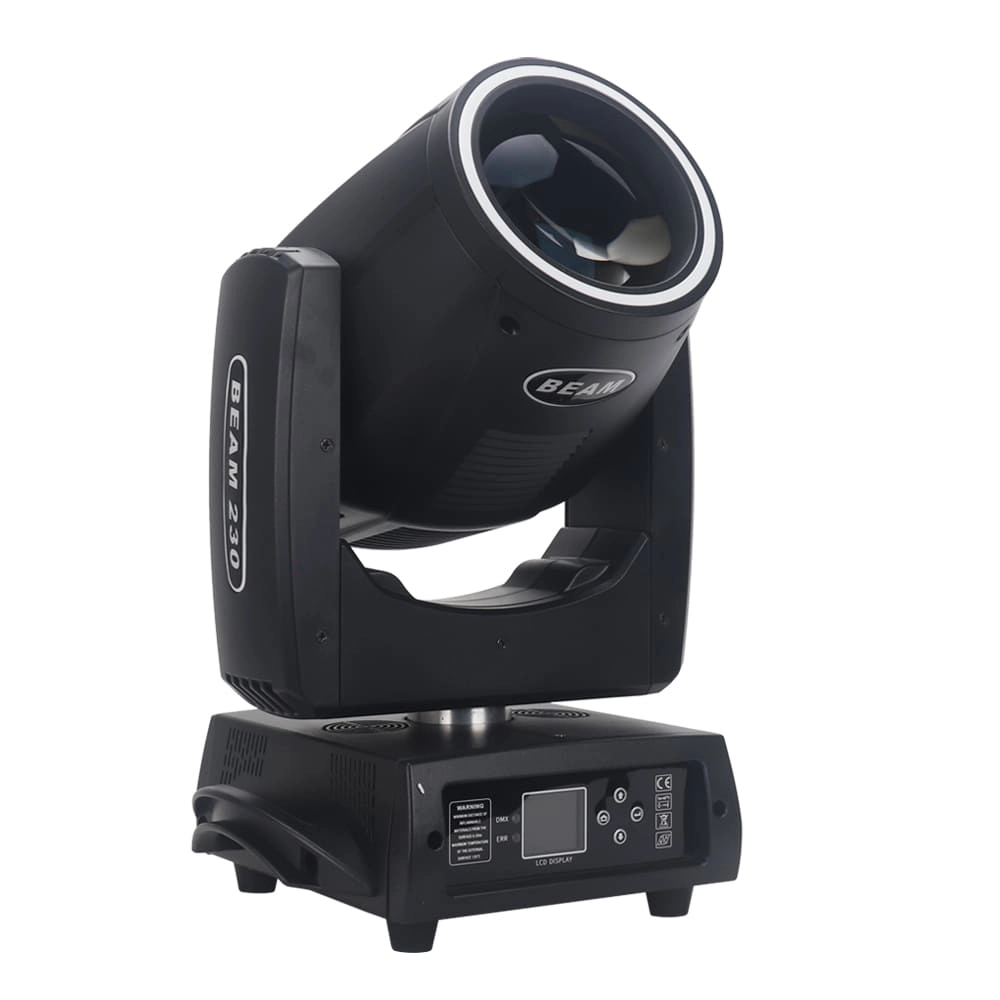
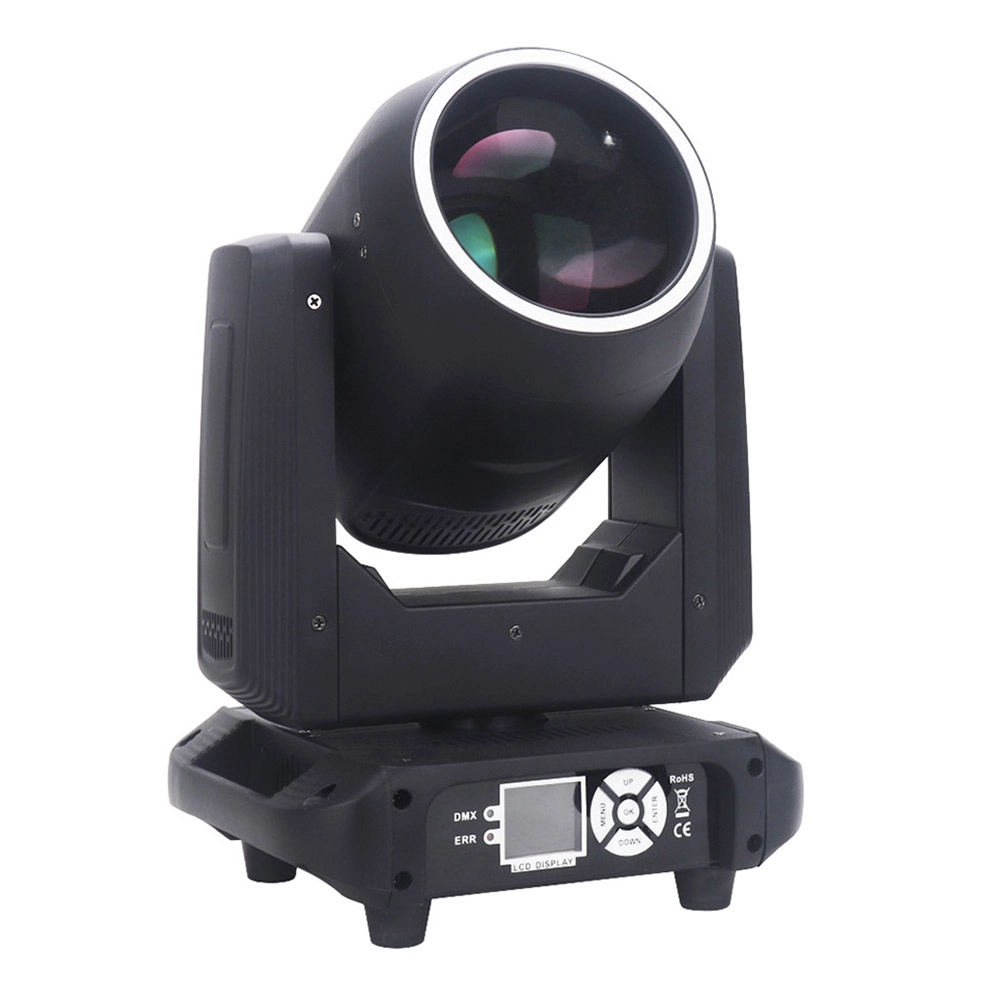
Introducing the KIMU Professional Mini 230w 7R Beam DJ Light with LED Ring DMX Moving Head Lights, designed to elevate your events with vibrant and dynamic lighting. This compact yet powerful beam 230 moving head light delivers stunning visuals, ensuring an unforgettable atmosphere.
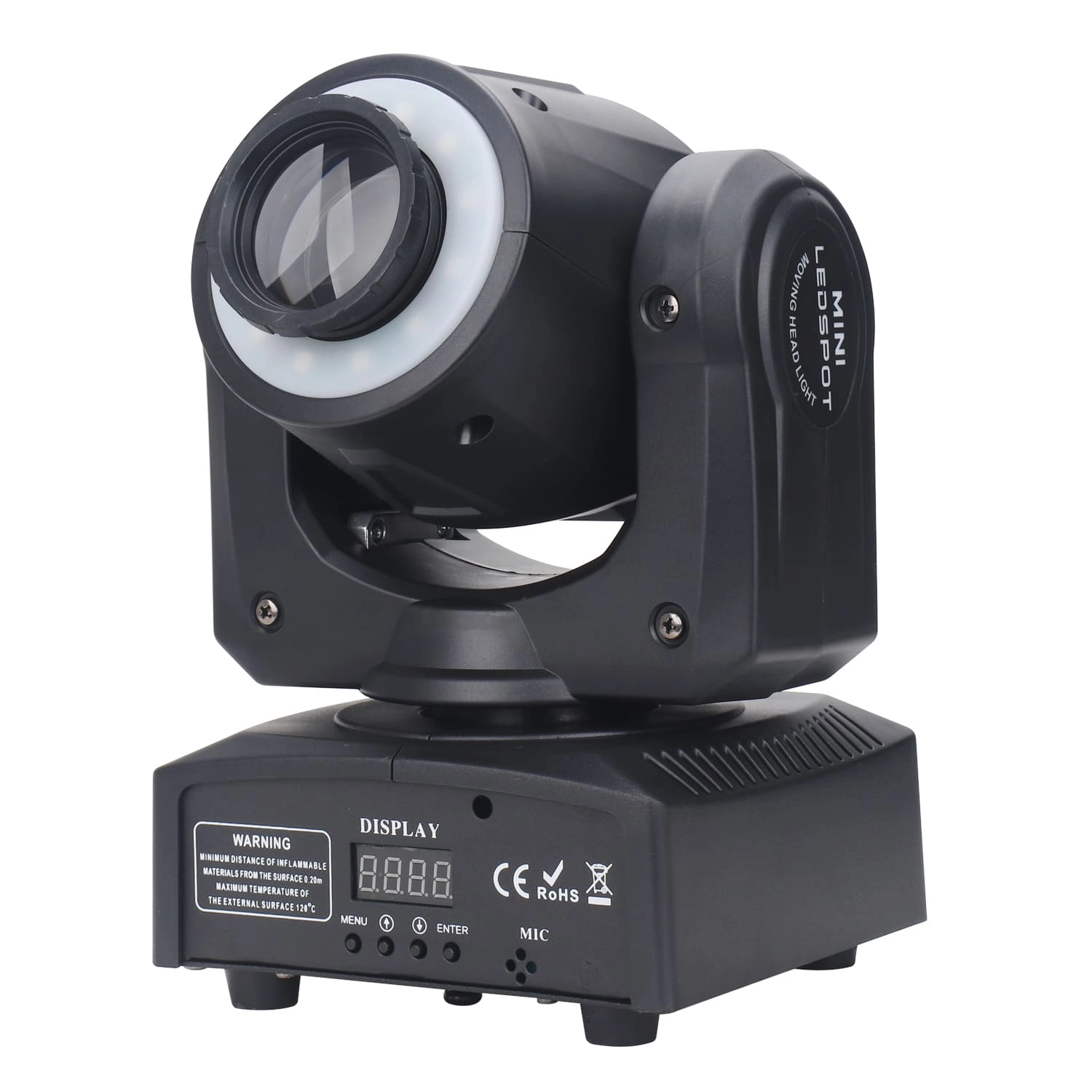
Introducing the 30W LED Spot Gobo Moving Head by KIMU, a top choice for vibrant and dynamic lighting in discos, clubs, bars, and DJ shows. This mini LED spot moving head light offers powerful RGBW illumination, creating captivating effects with precision.
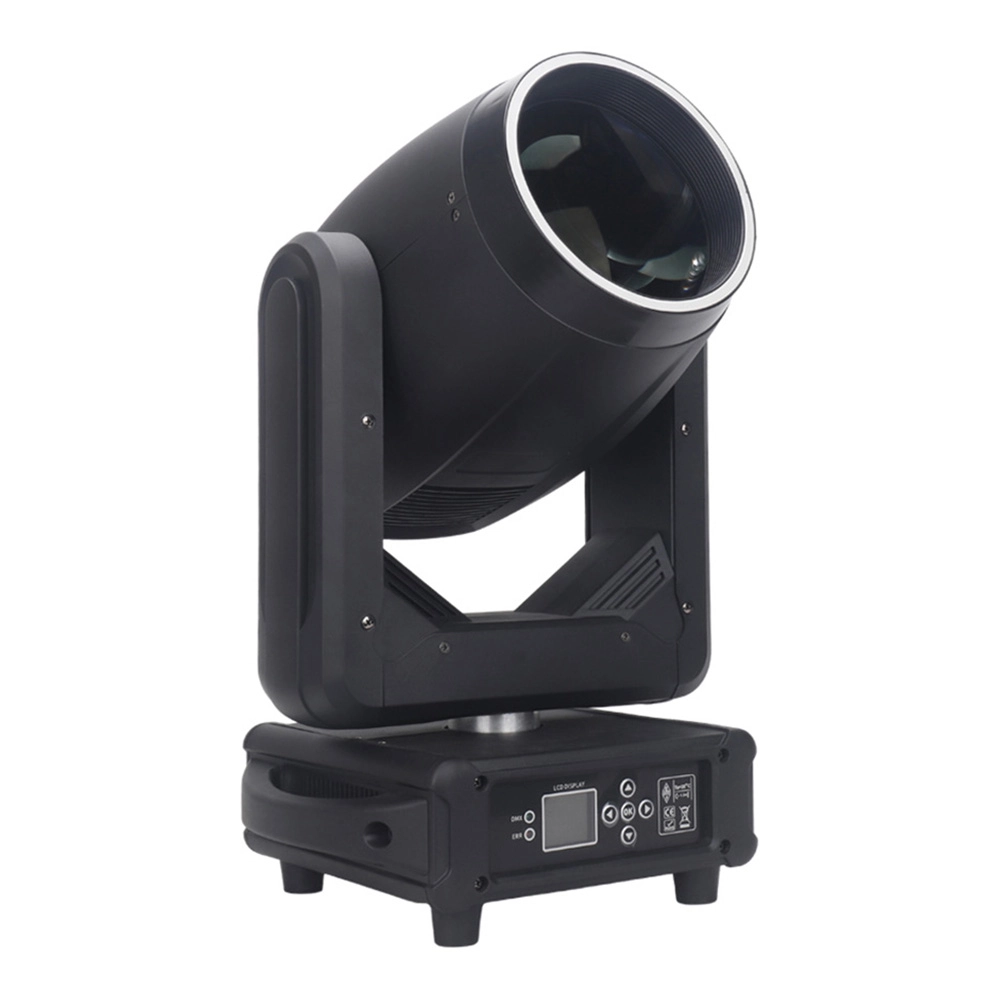
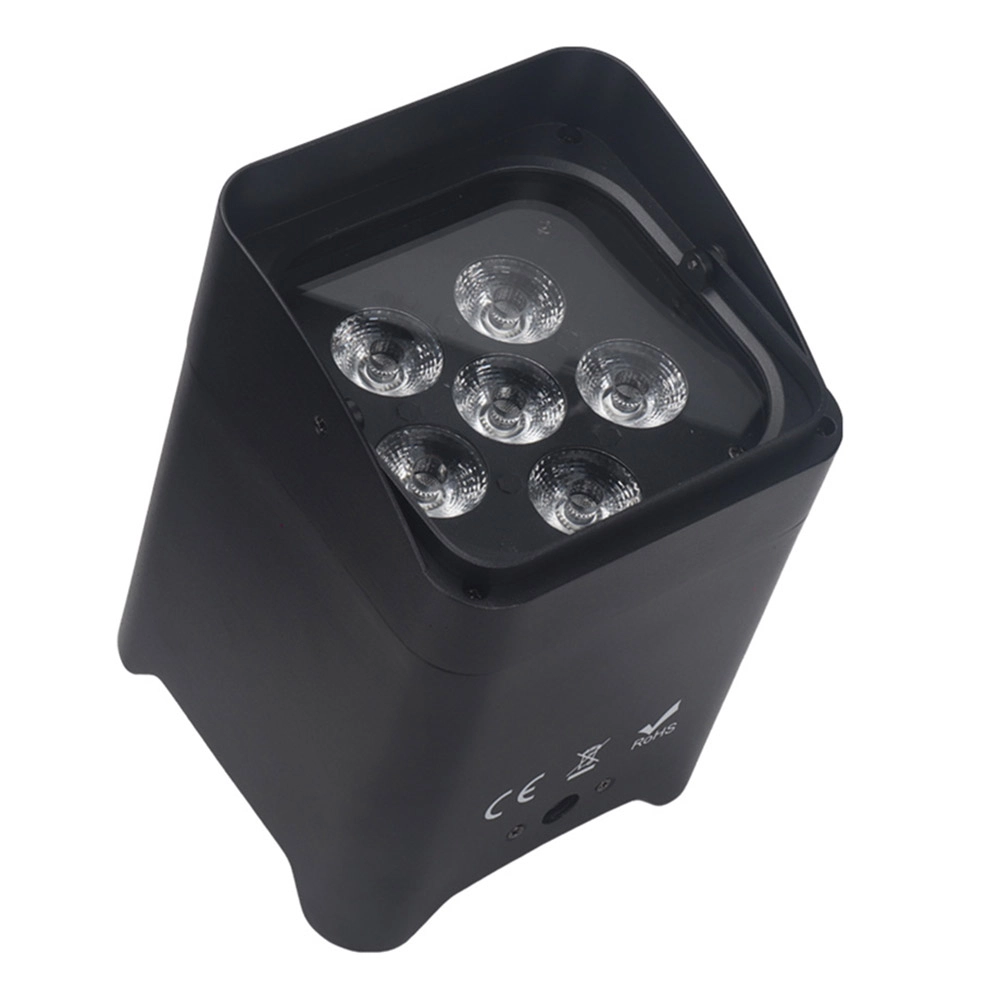
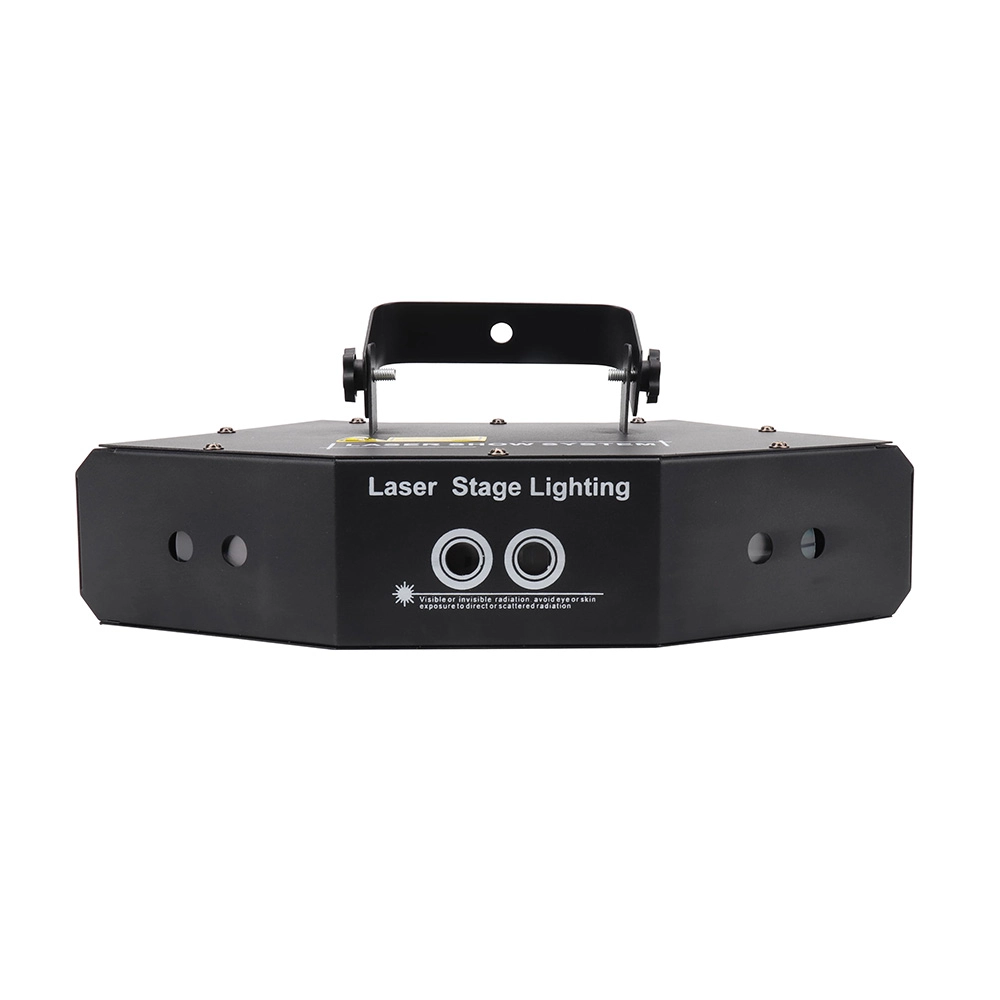
Illuminate your events with the KIMU 6 Eyes RGB Laser Light DMX Stage Party Lighting. Perfect for DJs, this affordable laser light transforms any venue with vibrant RGB displays. Ideal for lively parties and professional setups, it offers dynamic lighting effects under DMX control.
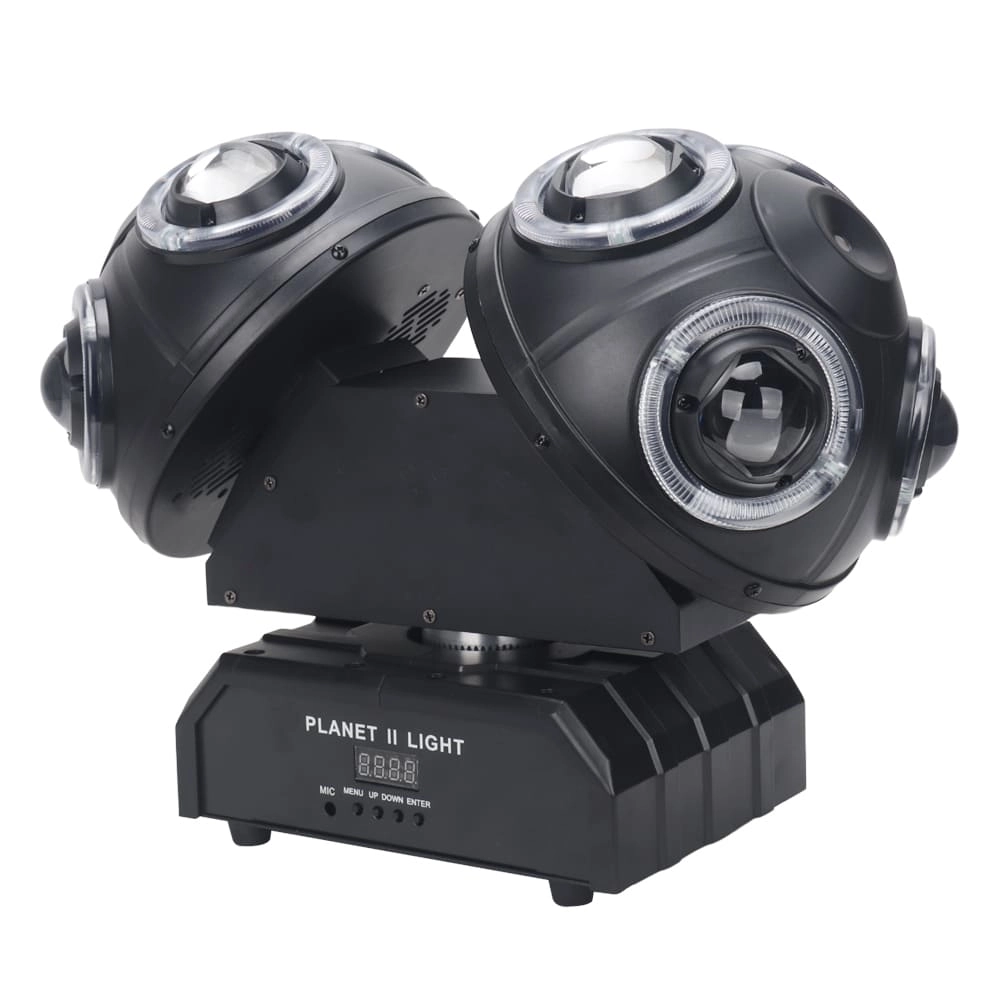
Introducing the KIMU Double Arms Stage Lights Moving Head Disco Ball Light With Laser - the ultimate DJ experience enhancer. This professional DJ equipment provides electrifying visuals with its dynamic moving head and powerful laser features.
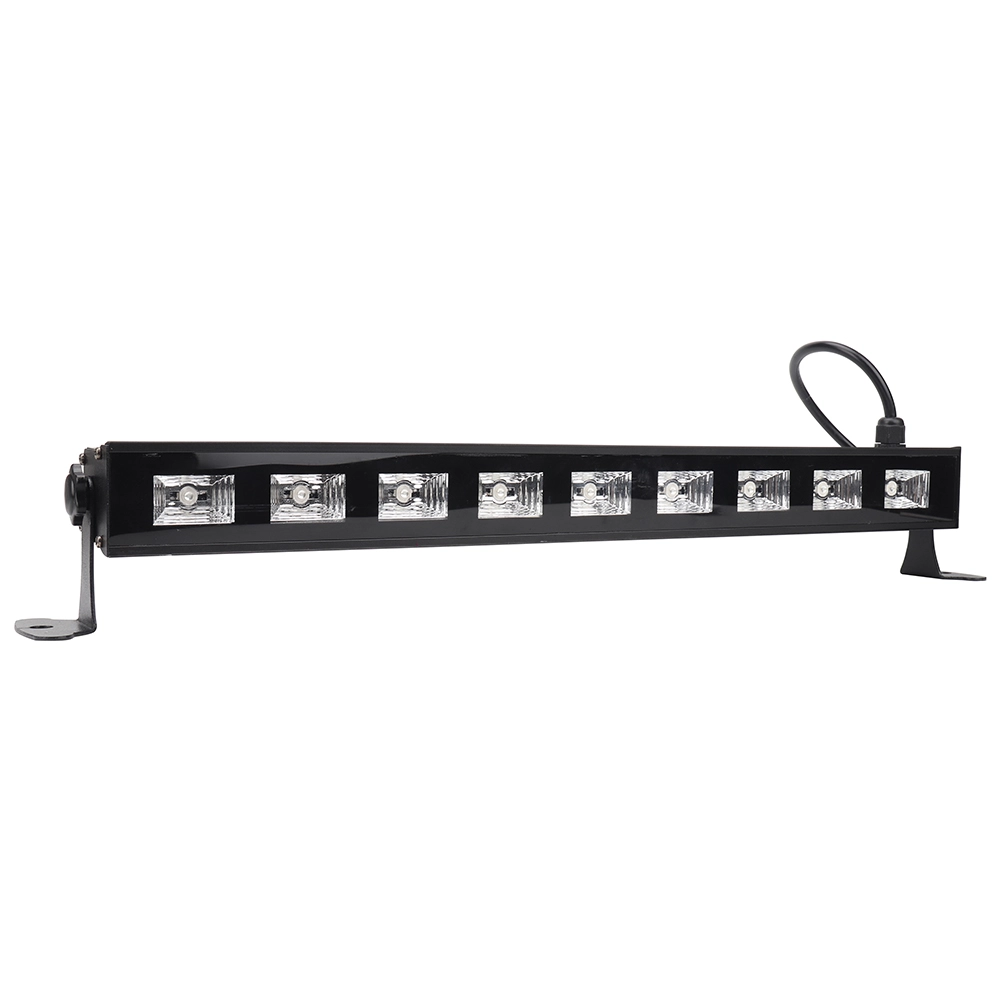
Illuminate your events with the KIMU 9pcs*3W LED UV Stage Light. Perfect for nightclubs and bars.
© 2024 KIMU ALL RIGHTS RESERVED.
Instagram
Facebook
KIMU LIGHTING