












Beam vs Spot Moving Head Lights: which is better?
This article delves into the key differences between beam and spot moving head lights, addressing common procurement concerns in the stage lighting industry, and provides insights to assist in making informed purchasing decisions.
- 1. What are the primary differences between beam and spot moving head lights?
- 2. How do beam and spot moving head lights differ in terms of beam angle and light distribution?
- 3. What are the typical applications for beam and spot moving head lights?
- 4. How do beam and spot moving head lights differ in terms of cost and setup complexity?
- 5. What are the energy consumption and maintenance considerations for beam and spot moving head lights?
- 6. How do beam and spot moving head lights differ in terms of control and programming?
- 7. What are the key considerations when choosing between beam and spot moving head lights?
- 8. How does KIMU's product line address the needs of stage lighting procurement?
- Data Sources
1. What are the primary differences between beam and spot moving head lights?
Beam and spot moving head lights serve distinct purposes in stage lighting:
Beam Moving Head Lights: These fixtures produce a narrow, high-intensity beam, typically between 0.5 to 6 degrees, ideal for creating sharp, focused light shafts that can cut through haze or fog. They are commonly used in large venues and outdoor events where long-throw capabilities are required. ((https://www.kimulighting.com/moving-head-spot-vs-beam-lights-differences-buying-guide.html?utm_source=openai))
Spot Moving Head Lights: These offer a wider beam angle, usually between 5 to 55 degrees, and are equipped with features like gobo wheels, color mixing, and adjustable focus. They are versatile, suitable for illuminating performers, projecting patterns, and creating dynamic visual effects in various settings. ((https://www.kimulighting.com/moving-head-spot-vs-beam-lights-differences-buying-guide.html?utm_source=openai))
2. How do beam and spot moving head lights differ in terms of beam angle and light distribution?
The beam angle and light distribution are key differentiators:
Beam Lights: Maintain an ultra-narrow, high-intensity beam, typically between 0.5 and 6 degrees, focusing the light into a concentrated shaft. This design is optimal for long-distance projection and creating visible beams in the air. ((https://www.kimulighting.com/moving-head-spot-vs-beam-lights-differences-buying-guide.html?utm_source=openai))
Spot Lights: Provide a wider and adjustable beam, commonly ranging from 5 to 55 degrees, allowing for both tight projections and wider washes. This flexibility makes them suitable for detailed work and shaping light on stage. ((https://www.kimulighting.com/moving-head-spot-vs-beam-lights-differences-buying-guide.html?utm_source=openai))
3. What are the typical applications for beam and spot moving head lights?
Understanding the applications helps in selecting the appropriate fixture:
Beam Moving Head Lights: Ideal for concerts, festivals, and large-scale events where dramatic, long-range lighting effects are needed. They are also used in architectural facade lighting requiring precise beam control. ((https://www.kimulighting.com/moving-head-spot-vs-beam-lights-differences-buying-guide.html?utm_source=openai))
Spot Moving Head Lights: Suitable for theatrical productions, corporate events, and any setting where detailed visual storytelling and versatility are required. They excel in projecting logos, patterns, and textures, and are commonly used in mid-sized venues. ((https://www.kimulighting.com/moving-head-spot-vs-beam-lights-differences-buying-guide.html?utm_source=openai))
4. How do beam and spot moving head lights differ in terms of cost and setup complexity?
Cost and setup considerations are crucial:
Beam Lights: Generally have a higher initial cost due to their specialized optics and high-intensity output. They also require more complex setup, including atmospheric enhancers like haze or fog to visualize the beam path. ((https://www.kimulighting.com/moving-head-spot-vs-beam-lights-differences-buying-guide.html?utm_source=openai))
Spot Lights: Typically more affordable and easier to set up, with a focus on versatility and ease of use. They are suitable for venues with limited technical expertise and can be deployed quickly. ((https://www.kimulighting.com/moving-head-spot-vs-beam-lights-differences-buying-guide.html?utm_source=openai))
5. What are the energy consumption and maintenance considerations for beam and spot moving head lights?
Energy efficiency and maintenance are important factors:
Beam Lights: Often use high-output discharge lamps, which consume more power and require regular maintenance, including lamp replacement and cooling system upkeep. ((https://www.kimulighting.com/moving-head-spot-vs-beam-lights-differences-buying-guide.html?utm_source=openai))
Spot Lights: Many modern spot lights utilize LED technology, offering lower power consumption and reduced maintenance needs, with longer lamp life and less frequent replacements. ((https://www.kimulighting.com/moving-head-spot-vs-beam-lights-differences-buying-guide.html?utm_source=openai))
6. How do beam and spot moving head lights differ in terms of control and programming?
Control capabilities vary between the two:
Beam Lights: Focus on quick movement, strobe, prism effects, and high-speed shutter, with fewer DMX channels and parameters. They are suitable for creating dynamic aerial effects with less complex programming. ((https://www.kimulighting.com/moving-head-spot-vs-beam-lights-differences-buying-guide.html?utm_source=openai))
Spot Lights: Offer advanced DMX/RDM control with many channels to manipulate gobos, shake effects, animation, continuous rotation gobos, and fine color mixing. They are suitable when you need creative control, projection of logos, or subtle stage modeling. ((https://www.kimulighting.com/moving-head-spot-vs-beam-lights-differences-buying-guide.html?utm_source=openai))
7. What are the key considerations when choosing between beam and spot moving head lights?
When making a selection, consider the following:
Venue Size and Type: Beam lights are better suited for large venues and outdoor events, while spot lights are more appropriate for mid-sized venues and indoor settings.
Desired Visual Effects: For dramatic, long-range lighting effects, beam lights are ideal. For detailed projections and versatile lighting, spot lights are more suitable.
Budget and Maintenance: Beam lights may require a higher initial investment and ongoing maintenance, whereas spot lights, especially LED models, offer cost-effective solutions with lower maintenance needs.
8. How does KIMU's product line address the needs of stage lighting procurement?
KIMU offers a range of moving head lights that cater to various stage lighting requirements:
Versatility: KIMU's fixtures provide both beam and spot functionalities, allowing for dynamic lighting effects and detailed projections.
Energy Efficiency: Utilizing advanced LED technology, KIMU's products offer lower power consumption and reduced maintenance costs.
Advanced Control: KIMU's moving head lights come equipped with comprehensive DMX/RDM control options, enabling precise manipulation of lighting effects.
Durability: Designed with robust build quality and IP ratings, KIMU's fixtures are suitable for both indoor and outdoor events, ensuring longevity and reliability.
Data Sources
- KIMU Lighting, October 2024
- Top Dance Light, October 2024
- Starshine Lights, October 2024
- Light Sky Lighting, November 2024
- Vanray Lighting, October 2024
- Cannon Digi, October 2024
- Brian S Redd, March 2015
Recommended for you
Where is the best place to hang a stage light? | KIMU Guide
how to light up a stage | KIMU Guide
what is led stage lighting | KIMU Guide
where to buy led stage lights | KIMU Guide
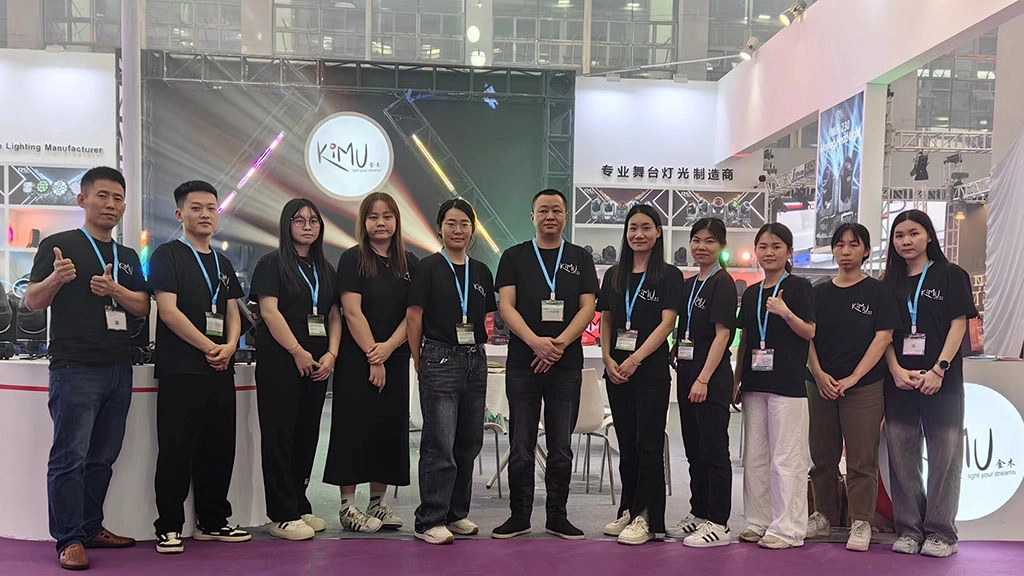
KIMU Shines Bright at Guangzhou Lighting & Sound Exhibition 2024
how to light a small stage | KIMU Guide
KIMU main product: moving head light, led studio light, led par light, led bar light, led strobe light, stage effect light, laser light.
KIMU was established in 2016.
1. All products and flight cases can be printed with custom logos.
2. A moving head light can make a custom glass pattern.
We can customize a private label for you. You can choose a silk-printed logo or sticker label.
get in touch
To reach out to us, simply fill out the form below with your name, email address, and message detailing your requirements or questions.
Our dedicated team of lighting experts is committed to providing timely and personalized responses to ensure your satisfaction.
You may also like
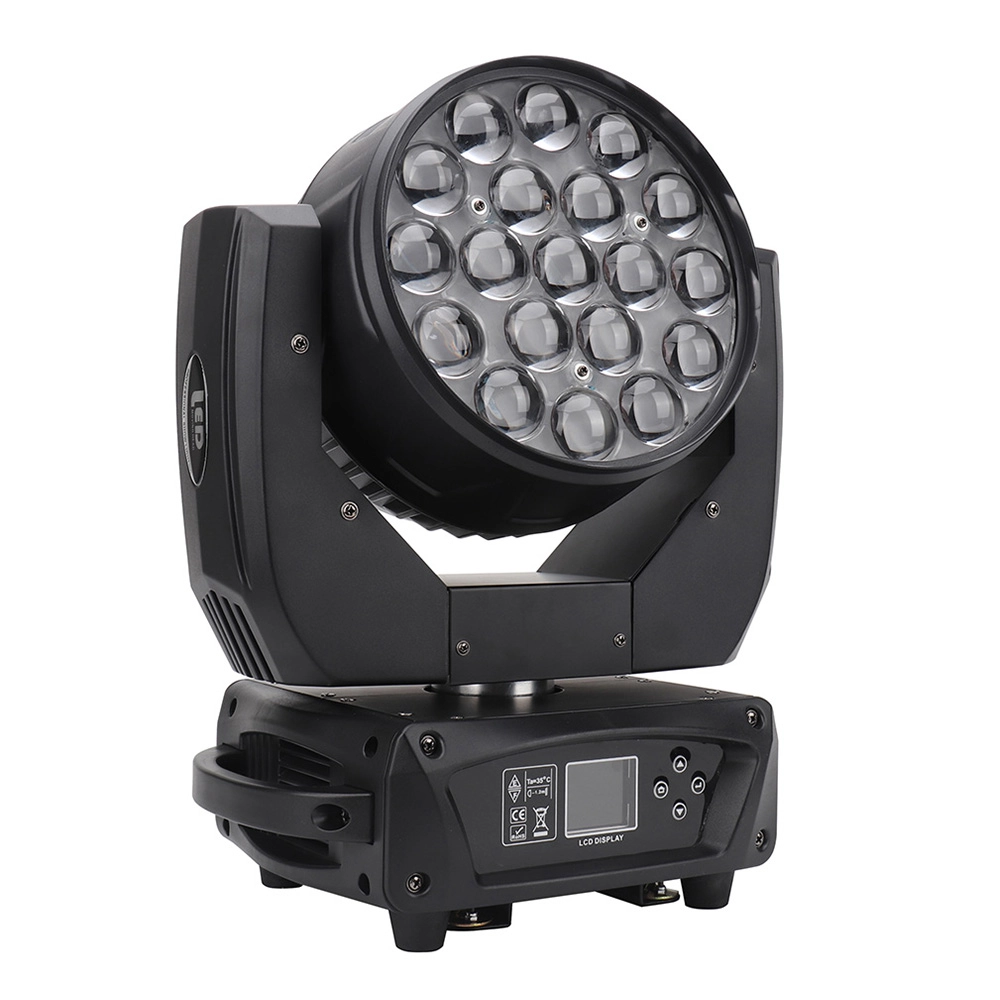
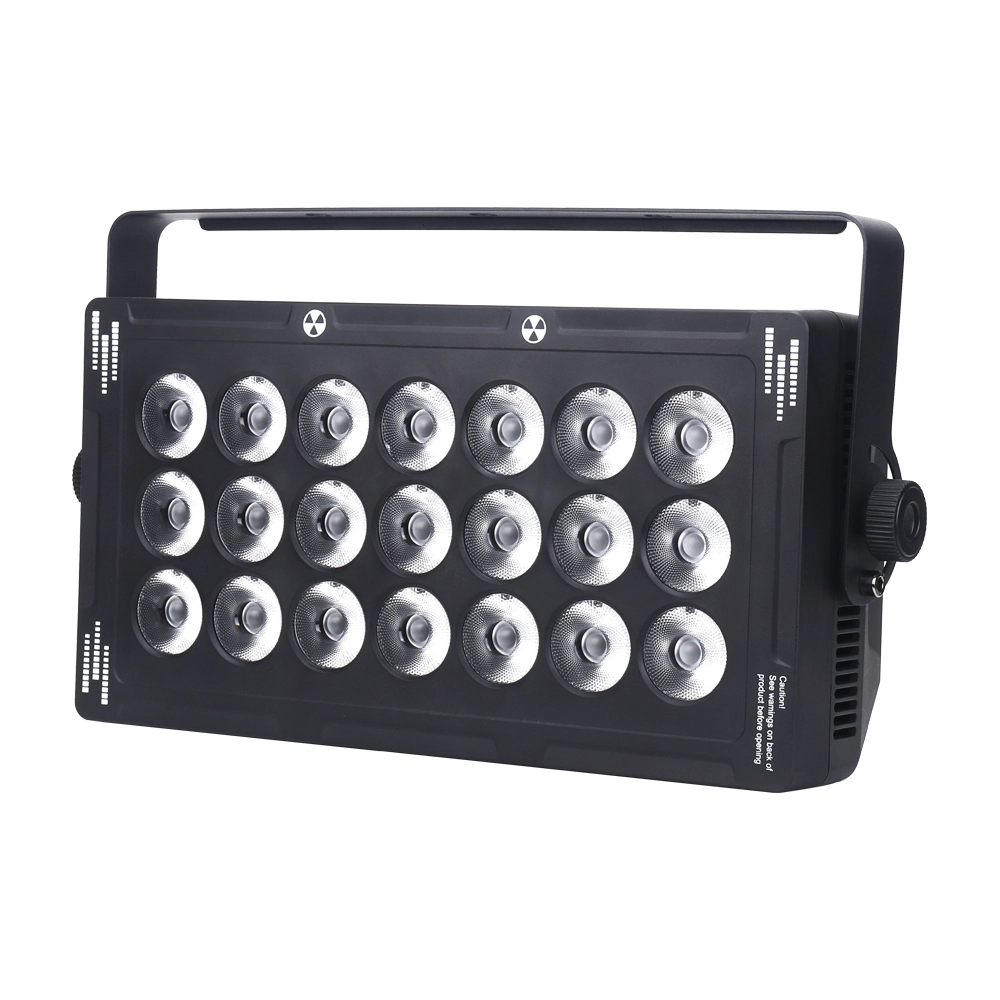
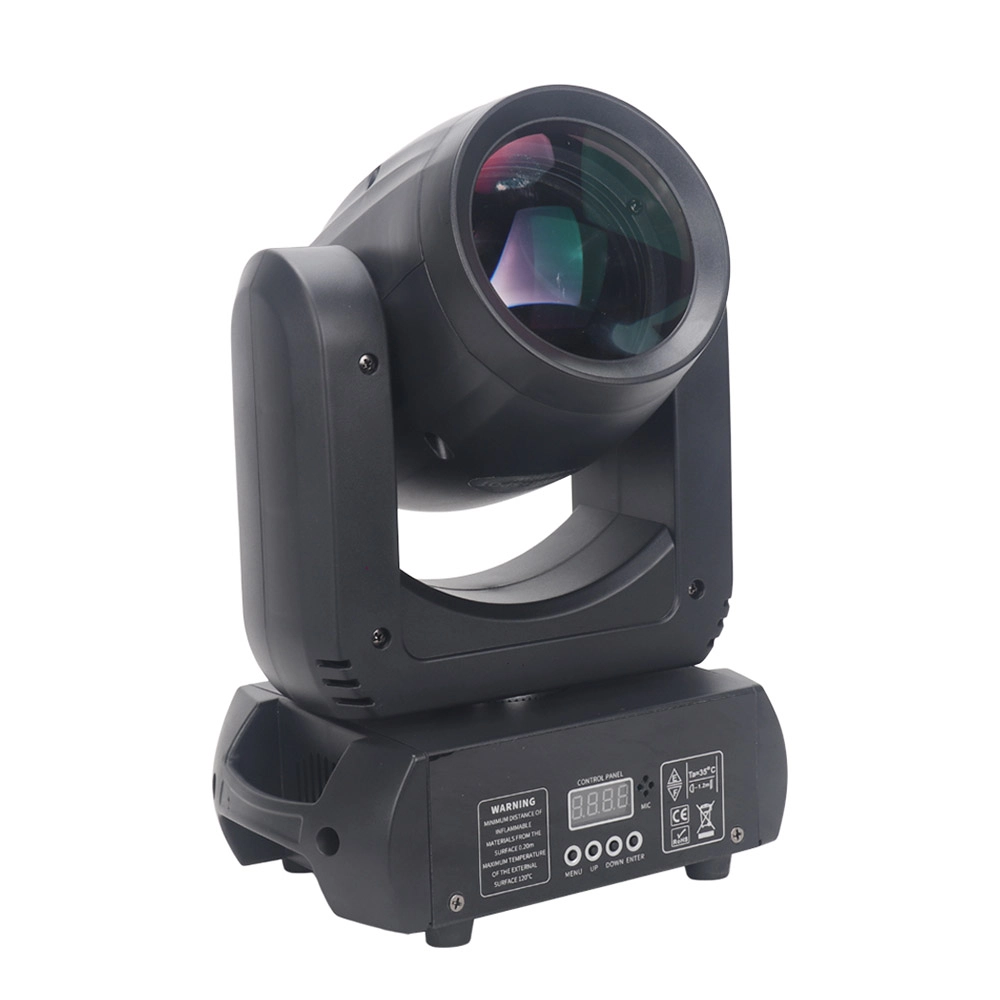
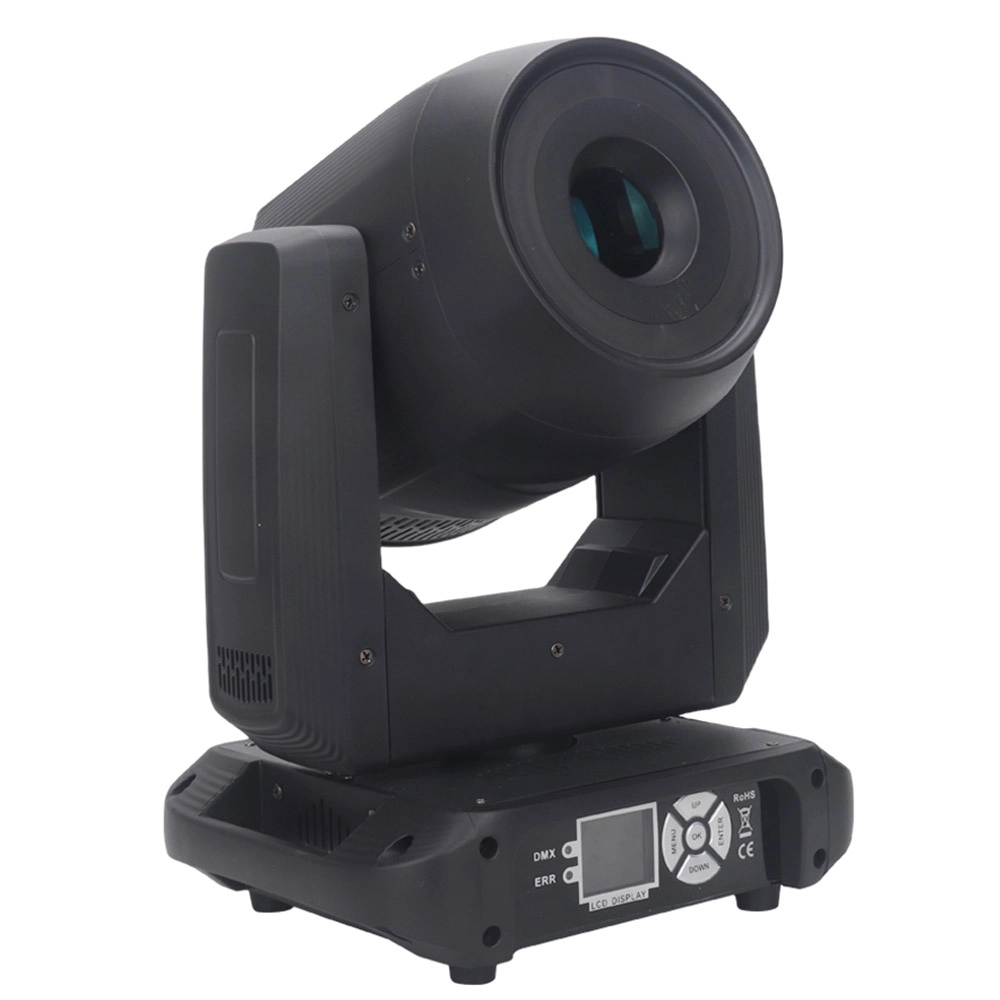
Experience precision lighting with KIMU's 150W LED Spot Moving Head Light. Featuring 3 prisms and a wide beam angle, it offers 7 vibrant colors and 8 dynamic patterns, making it ideal for versatile stage and event lighting.
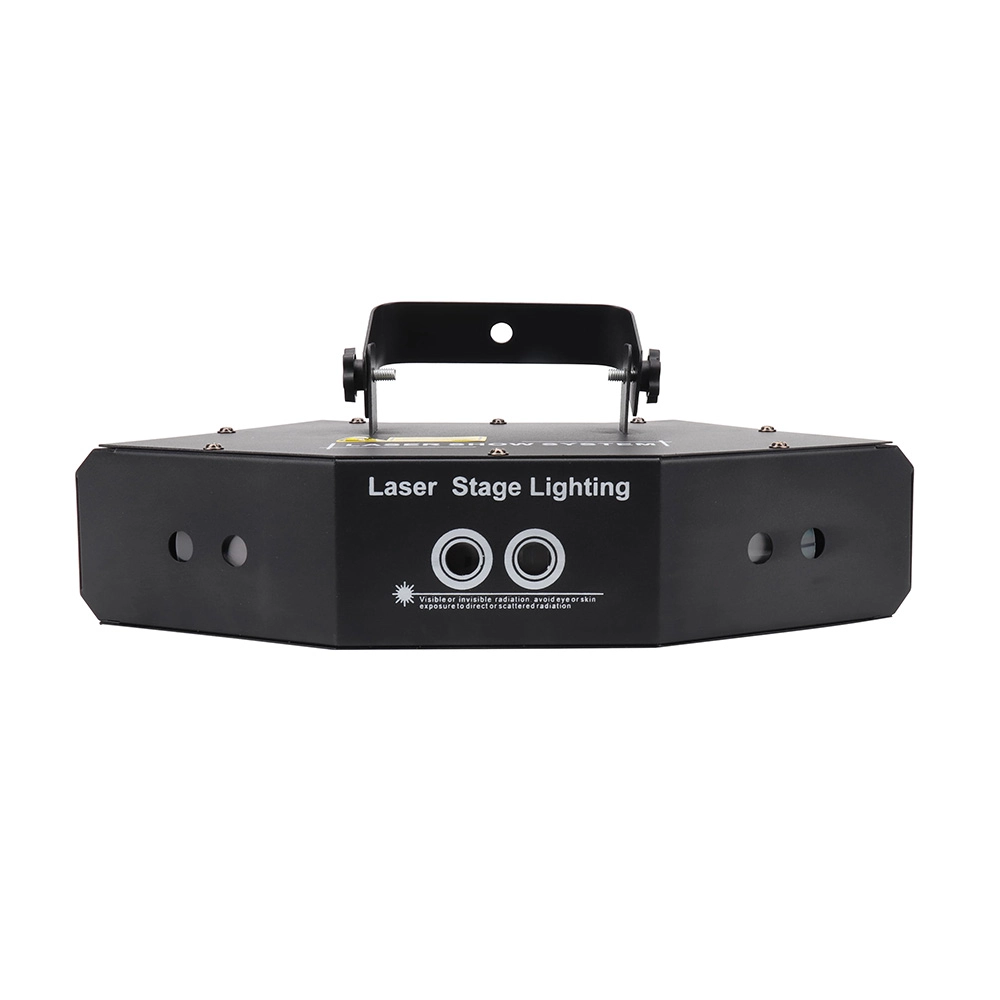
Illuminate your events with the KIMU 6 Eyes RGB Laser Light DMX Stage Party Lighting. Perfect for DJs, this affordable laser light transforms any venue with vibrant RGB displays. Ideal for lively parties and professional setups, it offers dynamic lighting effects under DMX control.
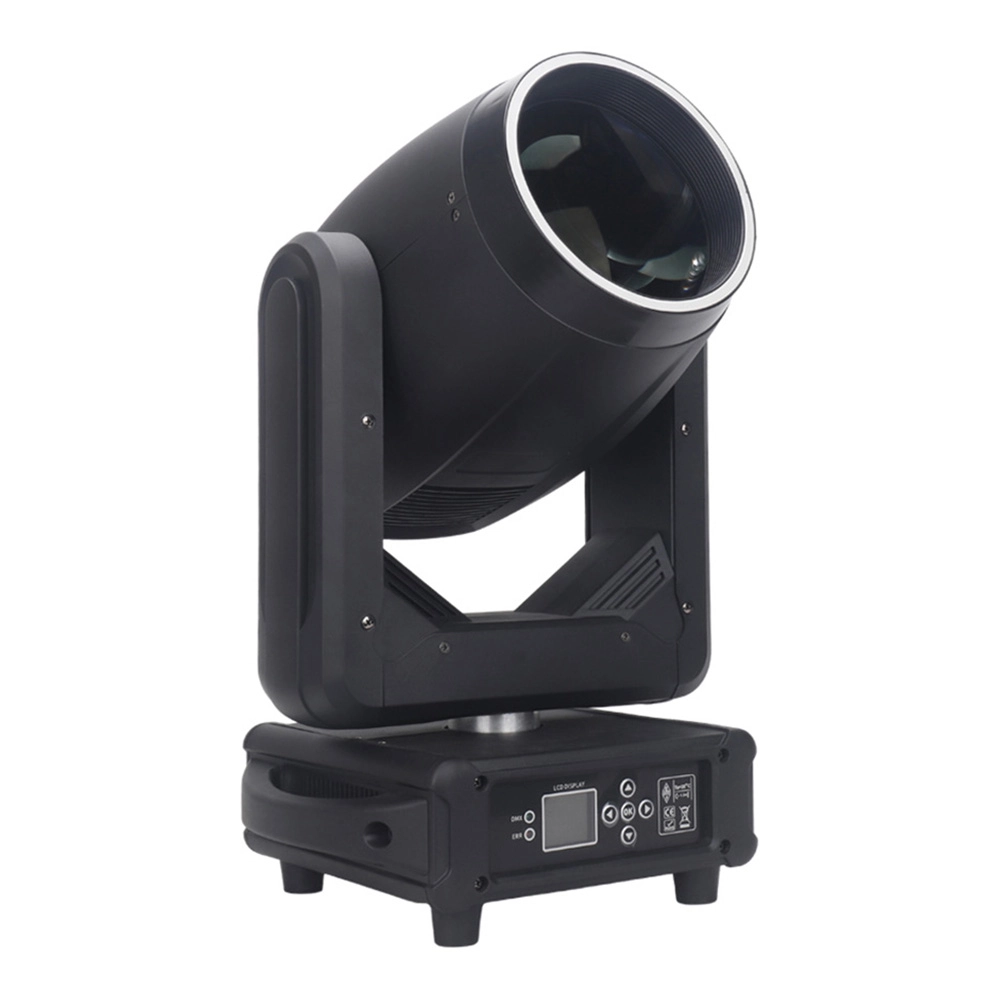
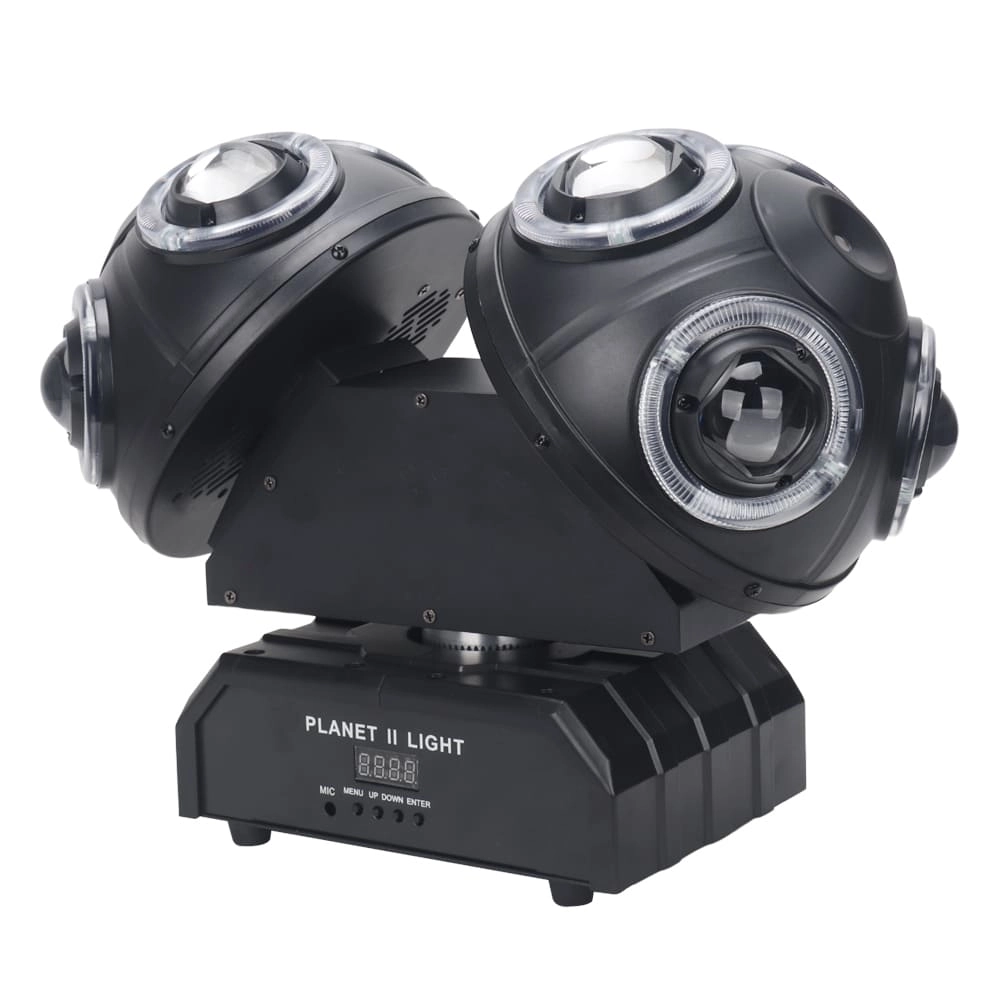
Introducing the KIMU Double Arms Stage Lights Moving Head Disco Ball Light With Laser - the ultimate DJ experience enhancer. This professional DJ equipment provides electrifying visuals with its dynamic moving head and powerful laser features.
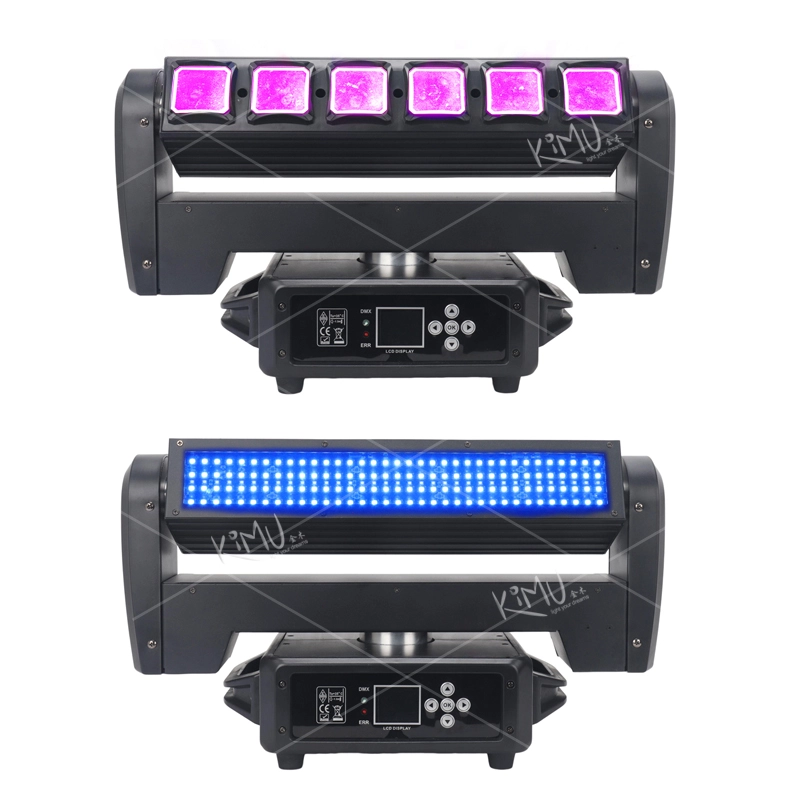
Introducing the KIMU 300W Double Side Moving Head Light, your ultimate choice for vibrant club stage lighting. This RGBW Beam Strobe Wash Sharpy Beam offers dynamic lighting effects to energize any event. As one of the best DJ party lights, it delivers precision and brilliance, making it a standout in the top 10 best DJ lights for parties.
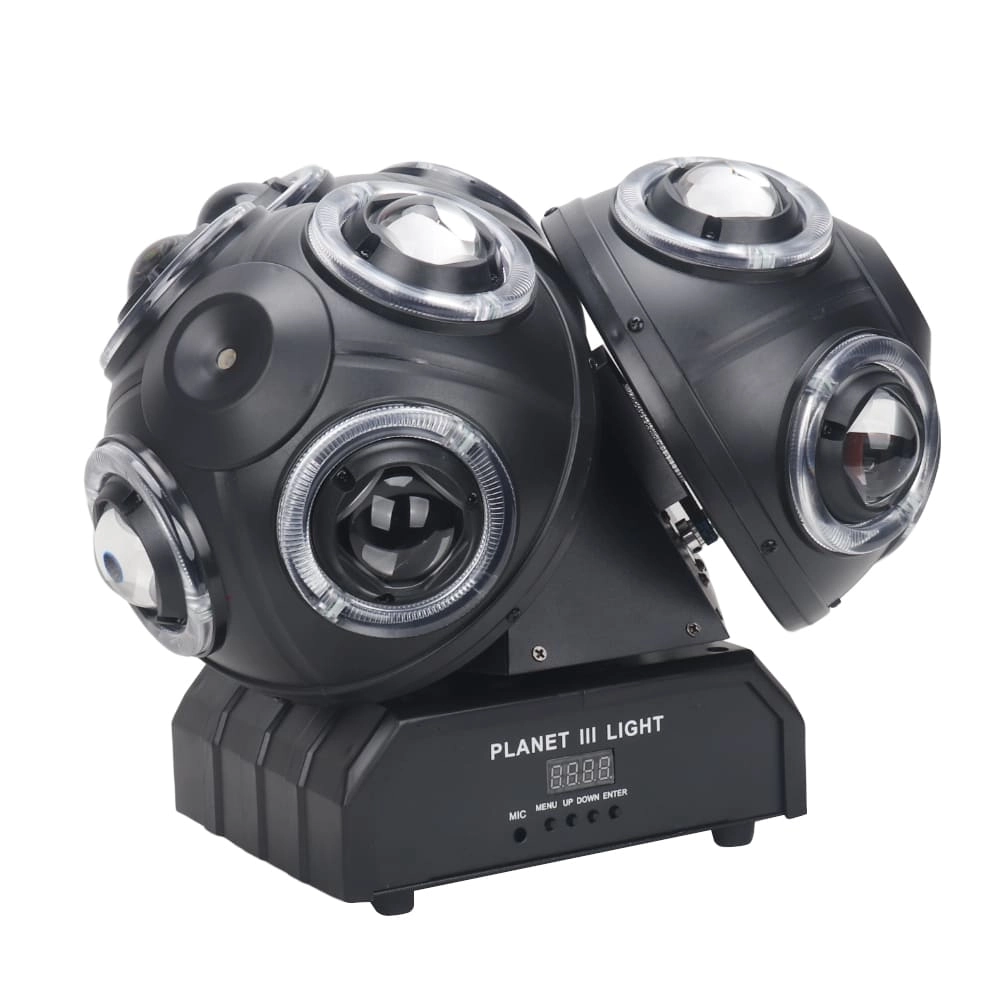
Introducing the KIMU 150W Three Ball Moving Head Laser Light—a must-have for any DJ, party, or club! Elevate your events with this professional DJ laser light, featuring dynamic RGBW colors for an unforgettable visual experience.
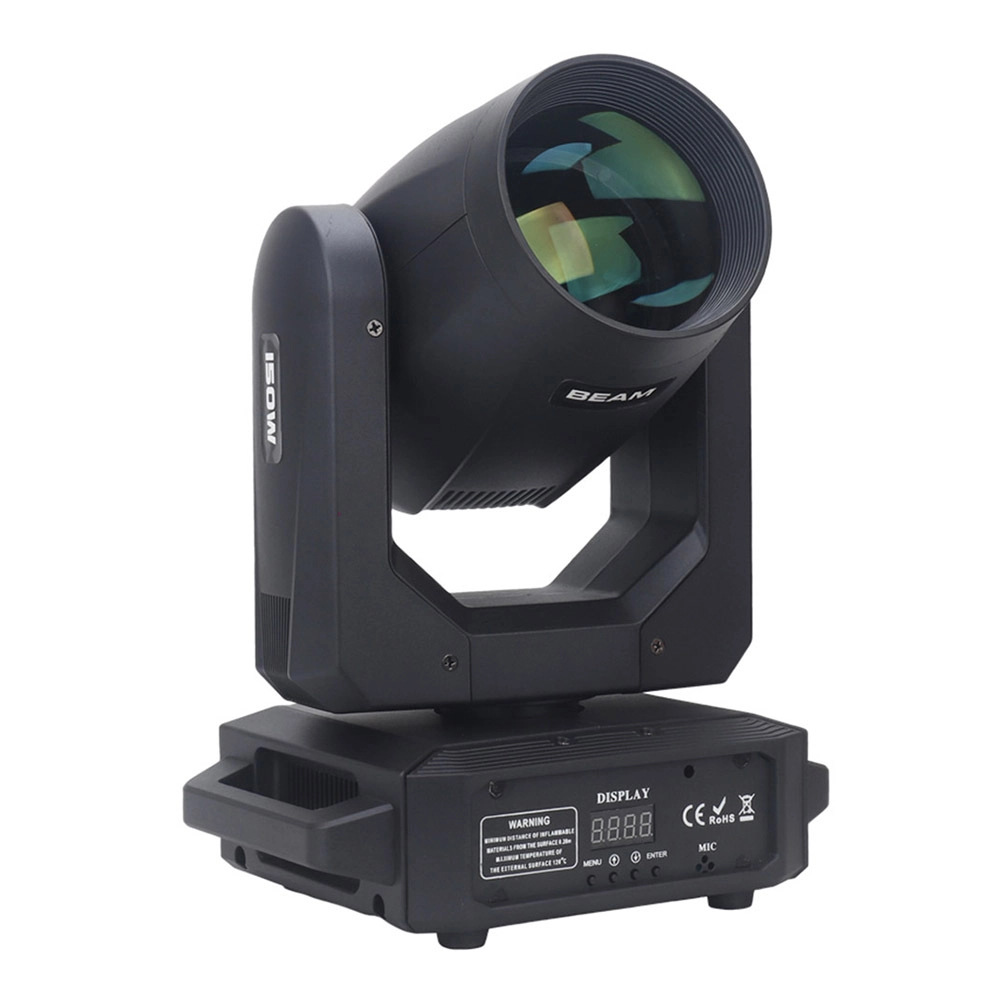
Introducing the KIMU 150W Mini Sharpy Beam LED DMX Spot – your ultimate choice for dynamic stage lighting. This LED Beam Moving Head Light delivers vibrant RGBW hues and a mesmerizing rainbow effect, perfect for DJ events and stage shows. With precision movement and 150W power, it ensures stunning visual impact. Elevate your lighting setup with this compact yet powerful beam moving head light, crafted for professionals who demand brilliance and versatility. Illuminate your events with KIMU's unparalleled quality and innovation.
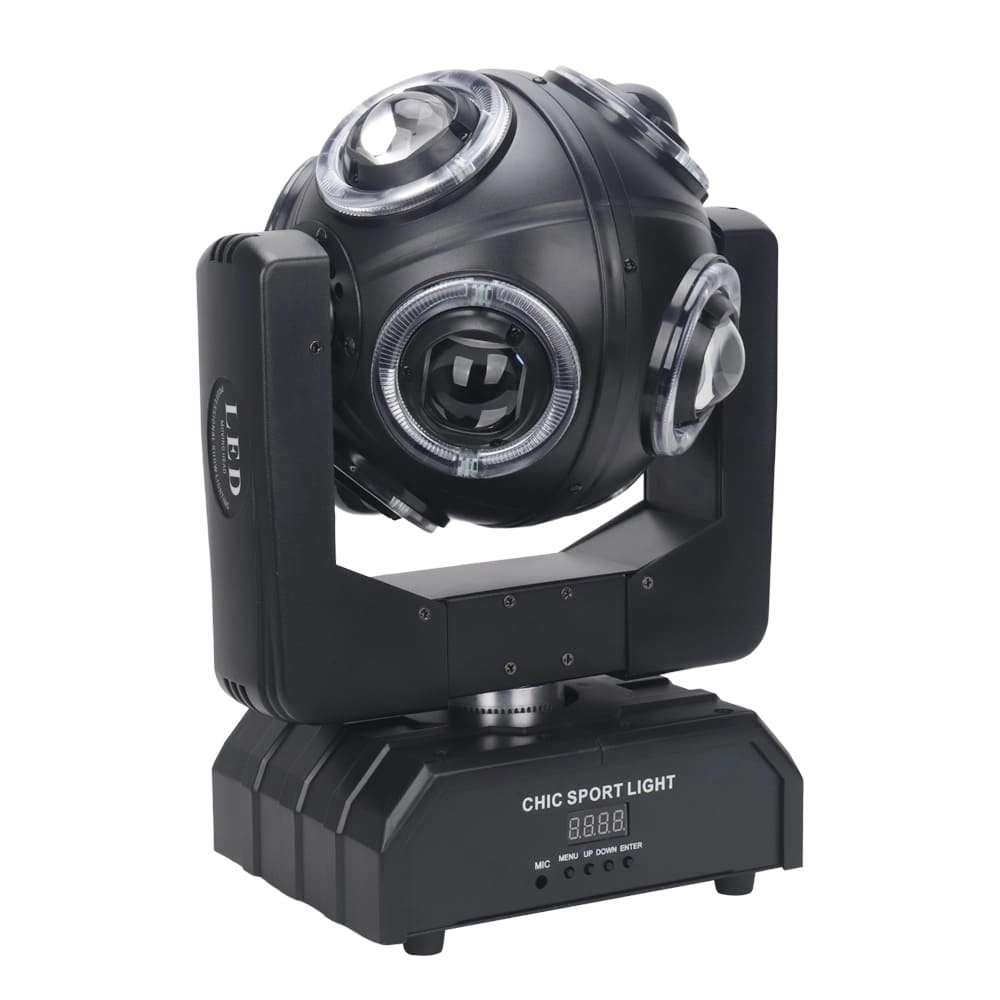
Illuminate your events with the KIMU 8X10W LED Magic Ball Stage Moving Head Lights. Perfect for parties, KTV, clubs, and DJ setups, these dynamic disco lights transform any venue with vibrant colors and mesmerizing movement.
© 2024 KIMU ALL RIGHTS RESERVED.
Instagram
Facebook
KIMU LIGHTING