












What wattage is ideal for Beam Moving Head Lights?
Explore essential factors in selecting beam moving head lights, including wattage, beam angle, and light source types, to make informed decisions for your stage lighting needs.
- 1. What is the ideal wattage for Beam Moving Head Lights?
- 2. How does beam angle affect lighting performance?
- 3. What are the differences between LED and discharge lamp-based beam moving head lights?
- 4. How do optical features like zoom and gobo effects enhance lighting design?
- 5. What maintenance considerations should be taken into account?
- 6. How do environmental factors impact beam moving head light performance?
- 7. What are the cost implications of different beam moving head light options?
- 8. How does the brand KIMU stand out in the beam moving head light market?
- Data Sources
1. What is the ideal wattage for Beam Moving Head Lights?
The optimal wattage for beam moving head lights depends on the specific requirements of your venue and event. For most applications, fixtures with wattages ranging from 200W to 600W are suitable. For instance, a 200W Mini 7R offers comprehensive features at a competitive price, while a 600W BSW 3in1 provides advanced color mixing capabilities for professional-grade output.
2. How does beam angle affect lighting performance?
Beam angle significantly influences the focus and spread of the light. Narrow beam angles (1°–6°) produce intense, concentrated beams ideal for long-throw applications, such as large concerts or outdoor events. Wider beam angles (15°–25°) offer broader coverage, suitable for smaller venues or general stage illumination. ((https://www.kimulighting.com/choosing-beam-moving-head-lights-angle-lumen-throw-distance.html?utm_source=openai))
3. What are the differences between LED and discharge lamp-based beam moving head lights?
LED beam moving head lights are known for their energy efficiency, long lifespan (approximately 50,000 hours), and low maintenance requirements. They typically range from 60W to 300W. Discharge lamp-based fixtures, with wattages between 250W and 1200W, provide higher raw output, making them suitable for large arenas or stadiums. However, they require regular lamp replacements and generate more heat. ((https://www.kimulighting.com/beam-moving-head-lights-buying-guide-2025.html?utm_source=openai))
4. How do optical features like zoom and gobo effects enhance lighting design?
Optical features such as zoom capabilities and gobo effects offer versatility in lighting design. Zoom functions allow for adjustable beam angles, enabling dynamic changes in lighting focus. Gobo effects project patterns or images, adding visual interest and depth to performances. Incorporating these features can significantly enhance the creative possibilities of your lighting setup. ((https://www.kimulighting.com/beam-moving-head-lights-buying-guide-2025.html?utm_source=openai))
5. What maintenance considerations should be taken into account?
Maintenance requirements vary between LED and discharge lamp-based fixtures. LED lights have a longer operational life and require less frequent maintenance. In contrast, discharge lamp-based lights necessitate regular lamp replacements and more frequent servicing. Understanding these needs is crucial for budgeting and ensuring the longevity of your lighting equipment. ((https://www.kimulighting.com/beam-moving-head-lights-buying-guide-2025.html?utm_source=openai))
6. How do environmental factors impact beam moving head light performance?
Environmental conditions such as humidity, temperature, and air quality can affect the performance of beam moving head lights. For example, in environments with high humidity or dust, the internal components may degrade faster, leading to reduced performance or increased maintenance needs. Selecting fixtures with appropriate ingress protection (IP) ratings can help mitigate these effects.
7. What are the cost implications of different beam moving head light options?
The cost of beam moving head lights varies based on features, wattage, and brand reputation. For example, a 200W Mini 7R offers exceptional value with comprehensive features at a competitive price, while a 600W BSW 3in1 represents the premium segment with advanced color mixing capabilities. It's essential to balance your budget with the desired features and performance to make a cost-effective investment.
8. How does the brand KIMU stand out in the beam moving head light market?
KIMU offers a range of beam moving head lights that combine advanced technology, durability, and user-friendly features. Their products are designed to meet the diverse needs of stage lighting professionals, providing high-quality illumination and reliable performance. KIMU's commitment to innovation and customer satisfaction makes them a preferred choice in the industry. ((https://www.kimulighting.com/beam-moving-head-lights-buying-guide-2025.html?utm_source=openai))
Data Sources
- KIMU Lighting, "Choosing Beam Moving Head Lights: Angle, Lumens & Throw," October 2025
- MovingHeadLights.net, "How does the beam intensity of the 17r Beam Moving Head compare to other models?" August 2025
- KIMU Lighting, "Beam Moving Head Lights: Ultimate Buying Guide 2025," October 2025
- VANRAY Lighting Experts, "Beam Moving Head Light Cost Guide," October 2025
- MovingHeadLights.net, "What is the maximum throw distance of a Moving Head Beam?" May 2025
- KIMU Lighting, "Beam Moving Head Light Buying Guide," November 2025
- Accio, "BeamZ Moving Head Lights: Best for DJ & Stage Shows?" November 2025
- BKLite, "How to Choose Moving Head Lights: Expert Guide for Stage Lighting," October 2025
Recommended for you
how to build stage lighting | KIMU Guide
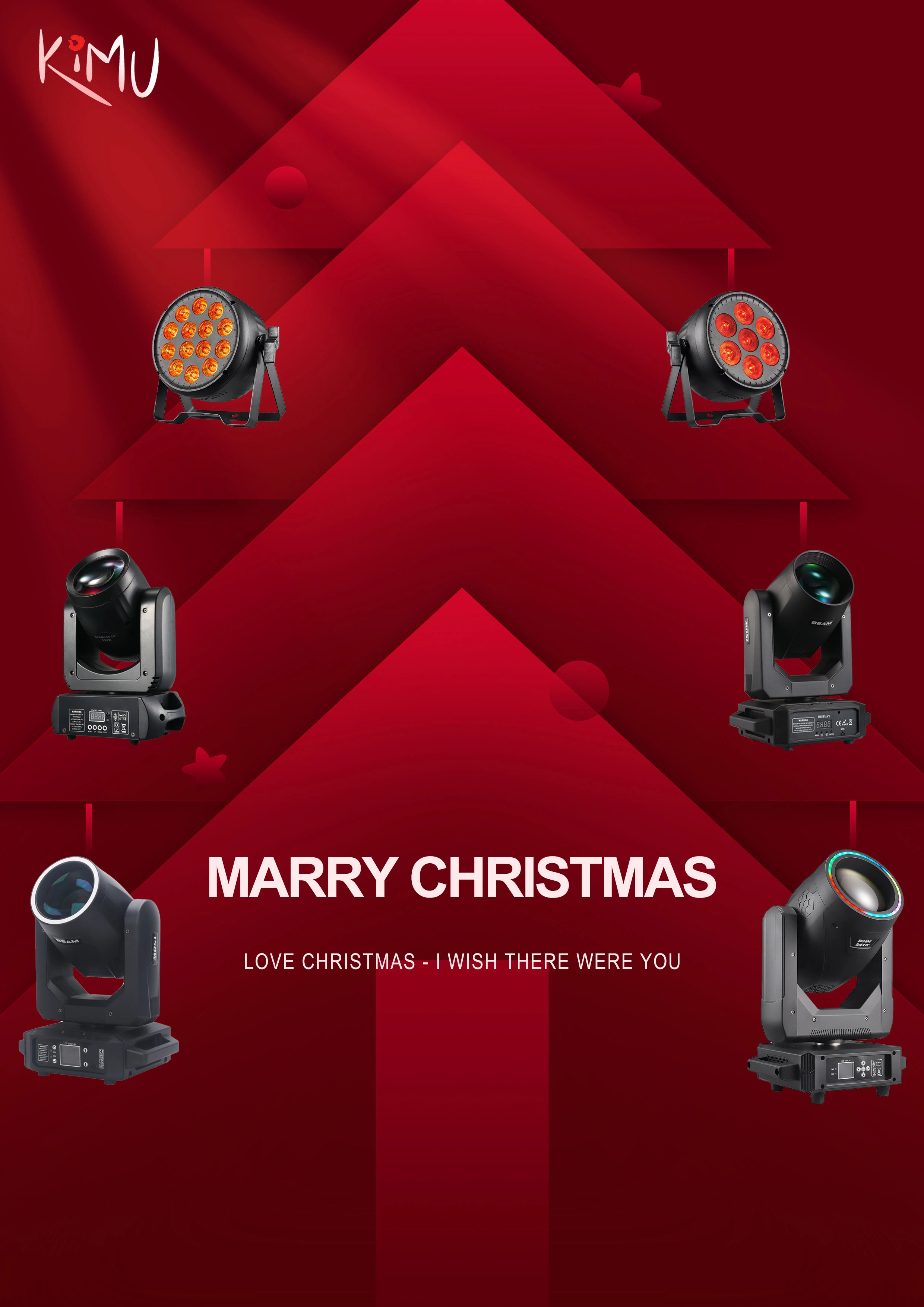
KIMU Wishes You a Merry Christmas with Our Top Products!

Mid-term Motivation Meeting for KIMU’s Performance Competition

KIMU Illuminates the Guangzhou Lighting & Sound Exhibition 2019

KIMU Stage Light Factory Wins Big at September Corporate Competition
What is a moving beam? | KIMU Guide
Send your design, idea, and clear picture.
Yes, we provide tracking information for all shipped orders.
In the rare event of damage, please contact us immediately. We will assist with filing a claim and arranging for replacements or repairs.
Yes, we support purchasing samples!
get in touch
To reach out to us, simply fill out the form below with your name, email address, and message detailing your requirements or questions.
Our dedicated team of lighting experts is committed to providing timely and personalized responses to ensure your satisfaction.
You may also like
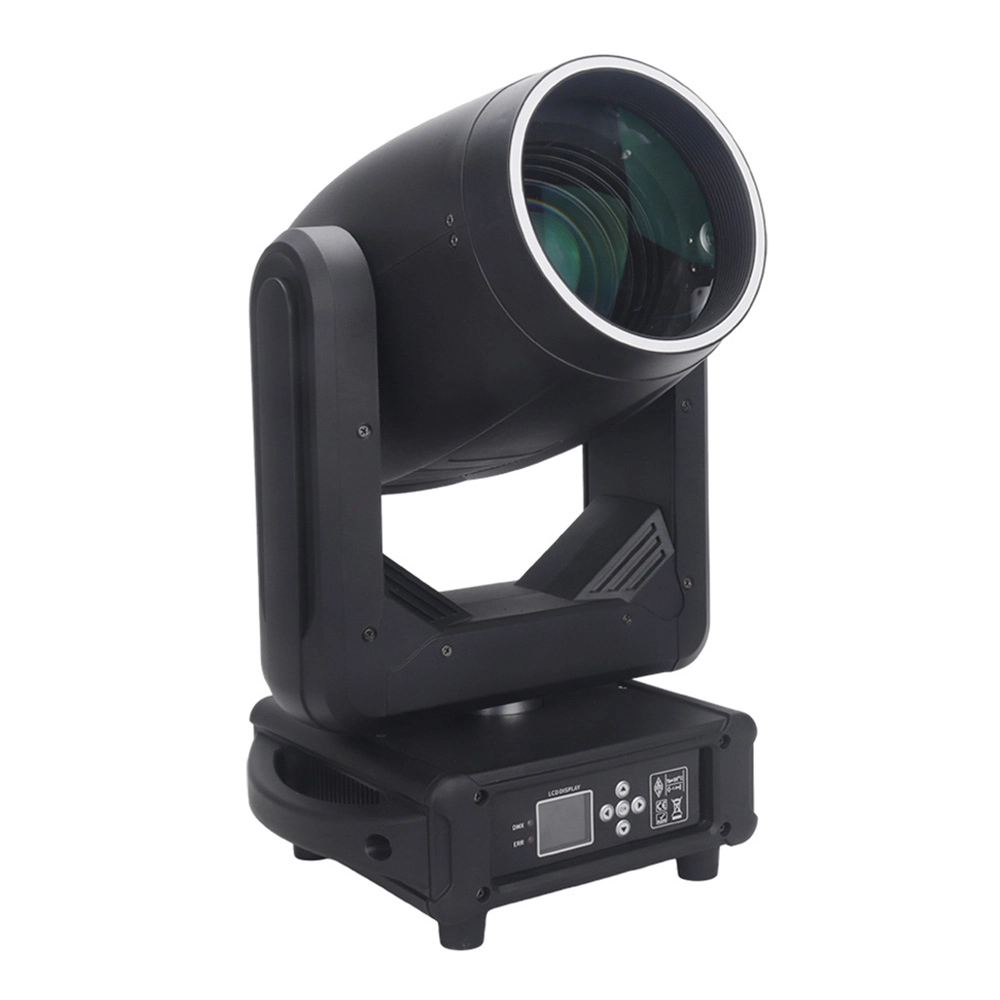
Introducing the KIMU Rainbow Effect 300W LED Beam Moving Head—a dynamic centerpiece for any event. Elevate your party or music festival with its powerful 48-prism effects and precise DMX 512 control. Designed for DJs and venues, our stage-moving head light delivers vibrant, sweeping beams for unmatched visual impact. Trust KIMU for innovation in LED beam moving head technology, ensuring unforgettable experiences. Perfect your lighting setup with the best in DJ moving head lights today.
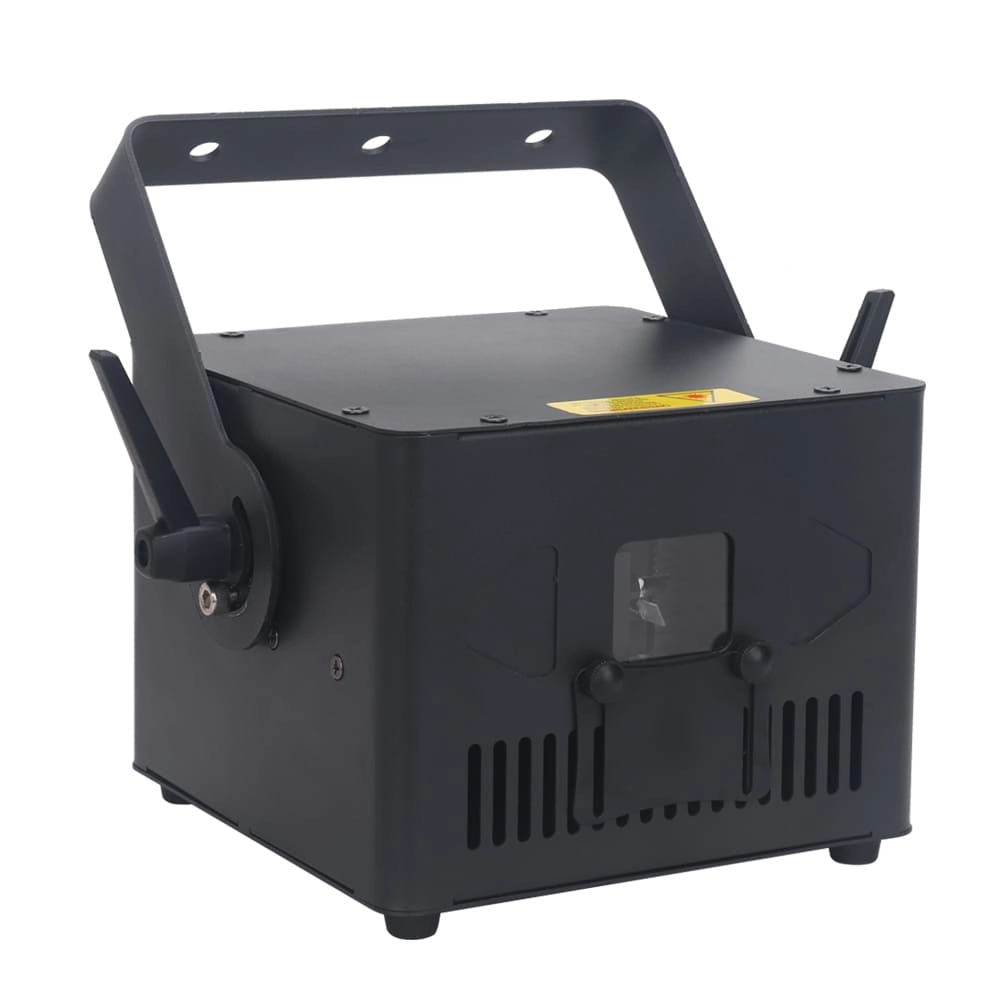
Illuminate your events with the KIMU Wireless 5W Laser Light. Perfect for night clubs and stage events, this RGB laser stage light combines DMX and Bluetooth technology for seamless control.
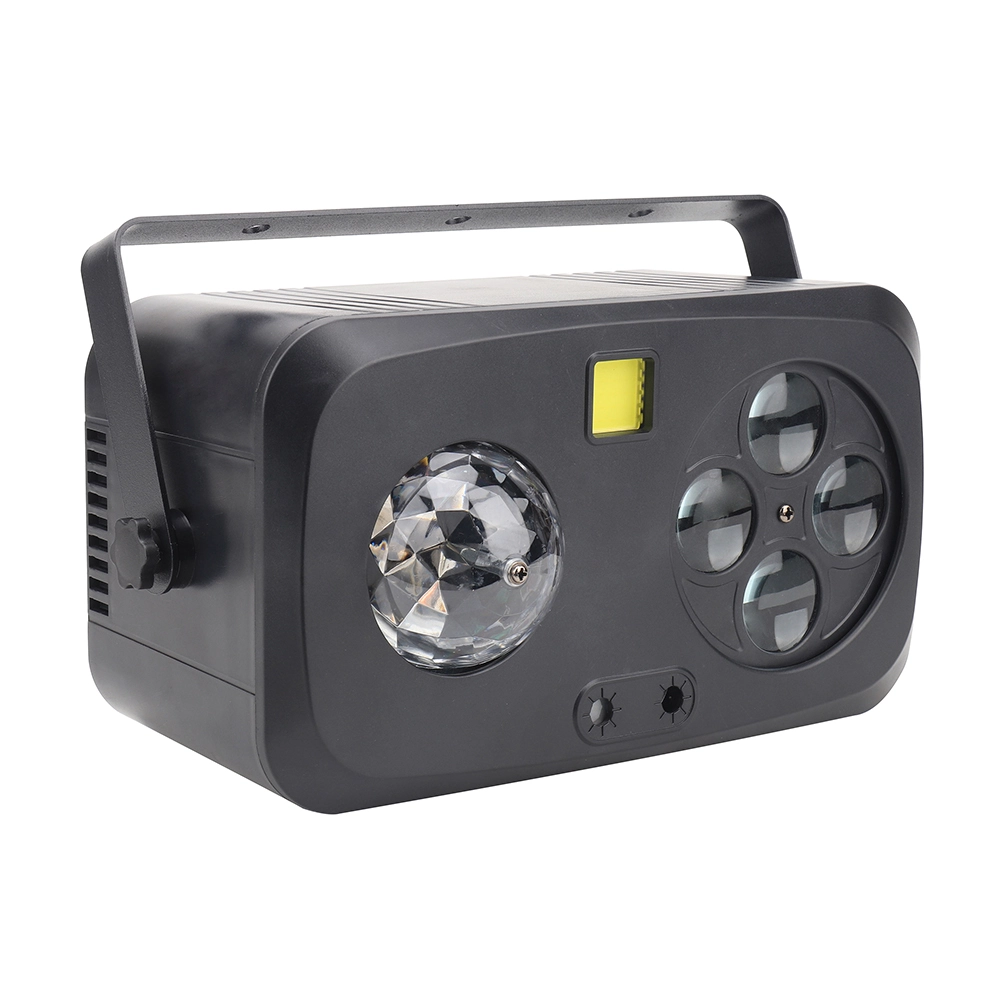
Introducing the KIMU Dj Disco Family LED 4in1 RGBW Laser Stage Effect Light—your ultimate partner for mesmerizing performances!
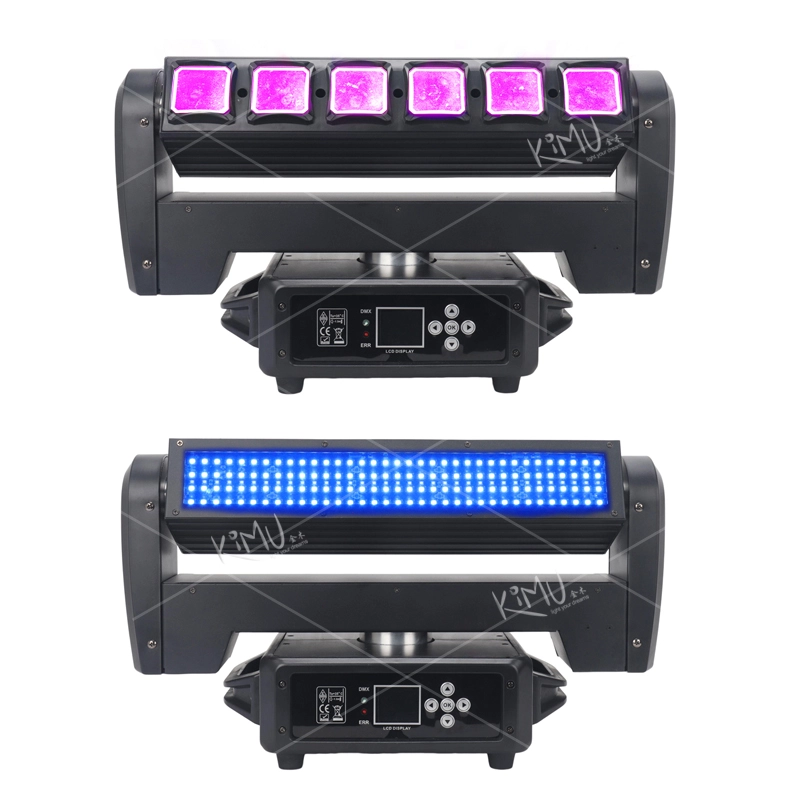
Introducing the KIMU 300W Double Side Moving Head Light, your ultimate choice for vibrant club stage lighting. This RGBW Beam Strobe Wash Sharpy Beam offers dynamic lighting effects to energize any event. As one of the best DJ party lights, it delivers precision and brilliance, making it a standout in the top 10 best DJ lights for parties.
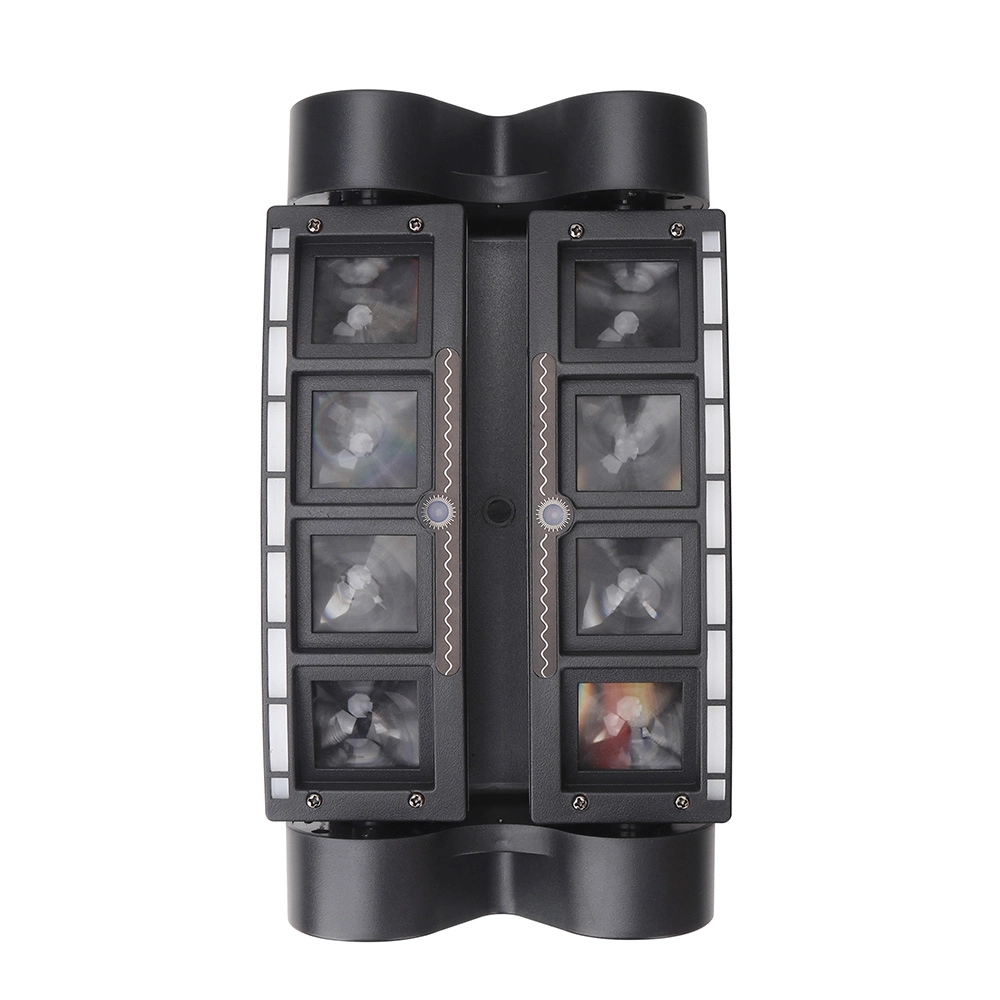
Introducing the KIMU LED Mini 8 * 3W Disco Spider Light, perfect for transforming any event space!
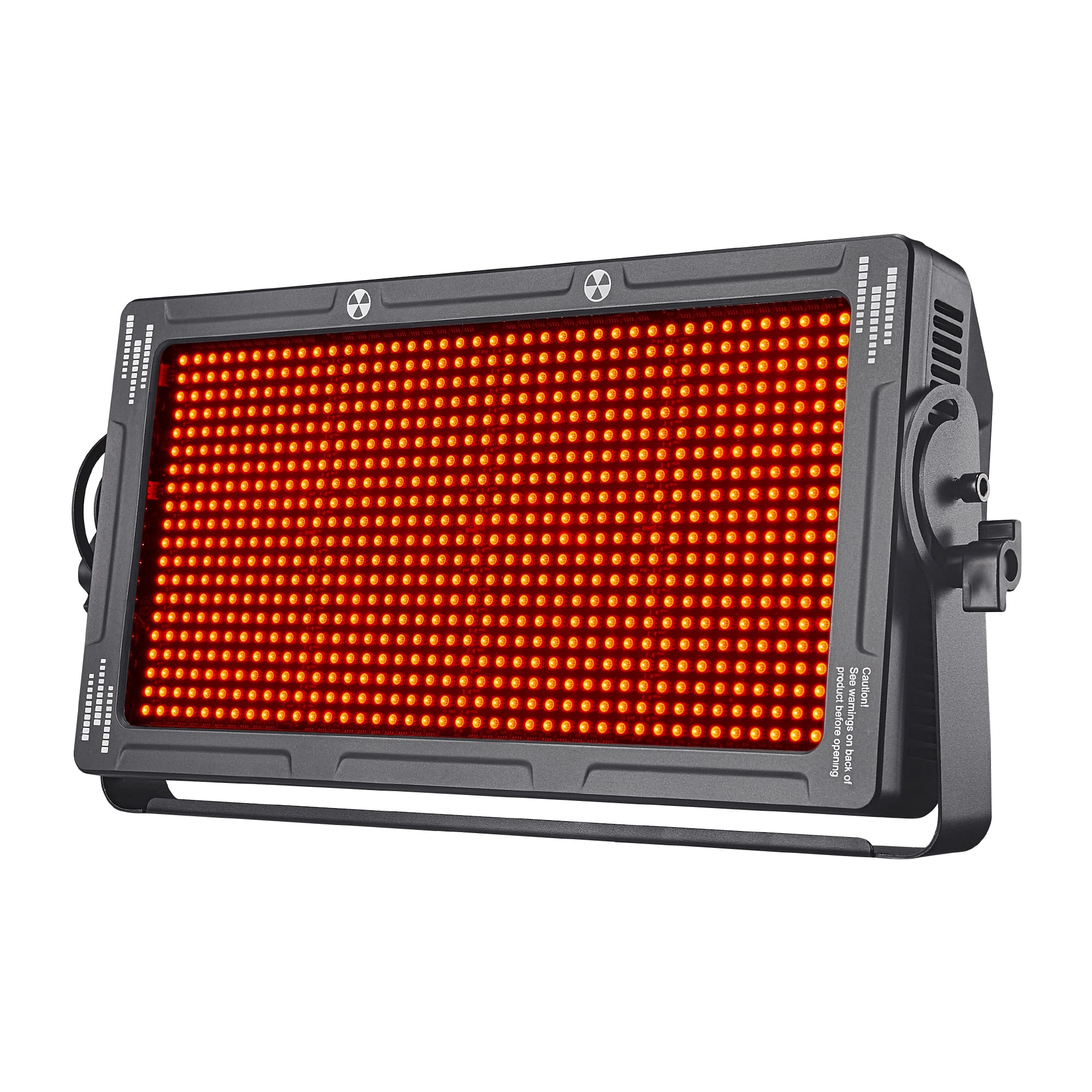
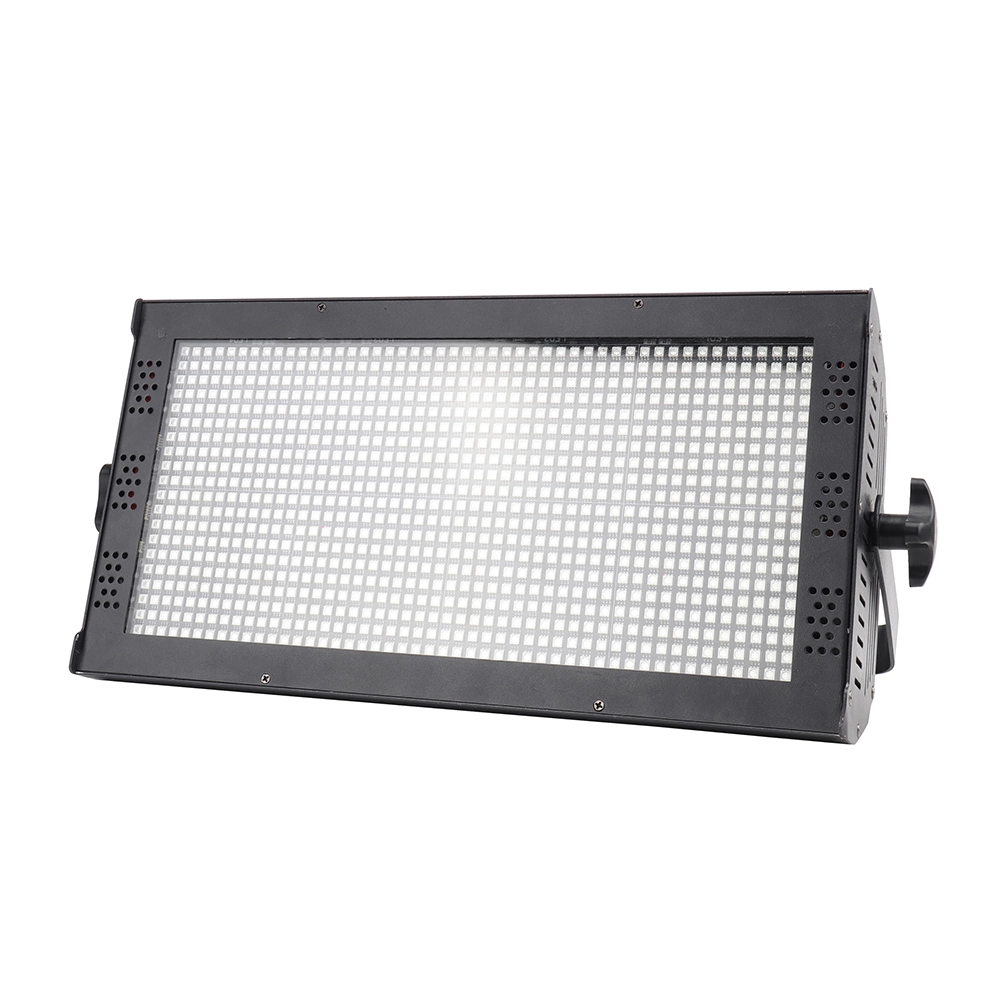
Introducing the KIMU 1080Pcs RGB 3in1 LED Strobe Light, the perfect solution for vibrant stage lighting at any bar, club, or event. With full-color spectrum capabilities and DMX512 compatibility, our strobe light delivers dynamic and stunning visual effects.
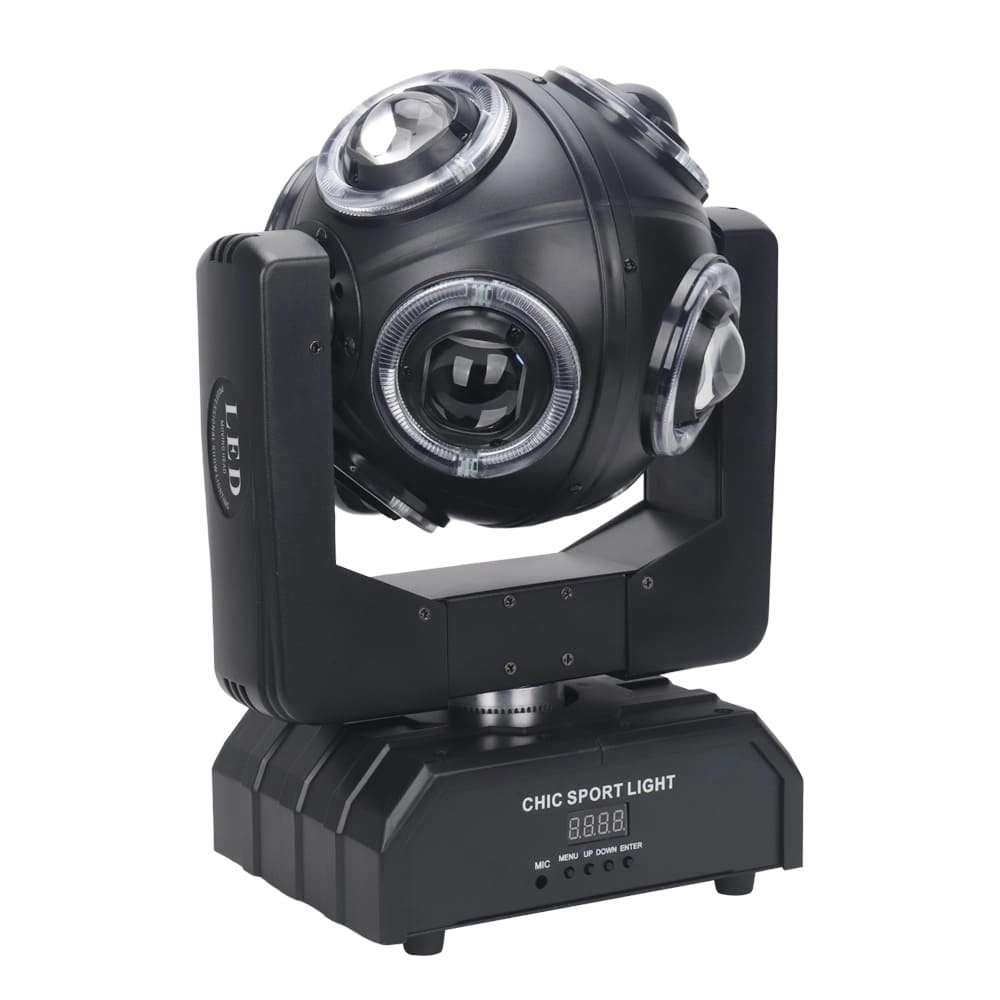
Illuminate your events with the KIMU 8X10W LED Magic Ball Stage Moving Head Lights. Perfect for parties, KTV, clubs, and DJ setups, these dynamic disco lights transform any venue with vibrant colors and mesmerizing movement.
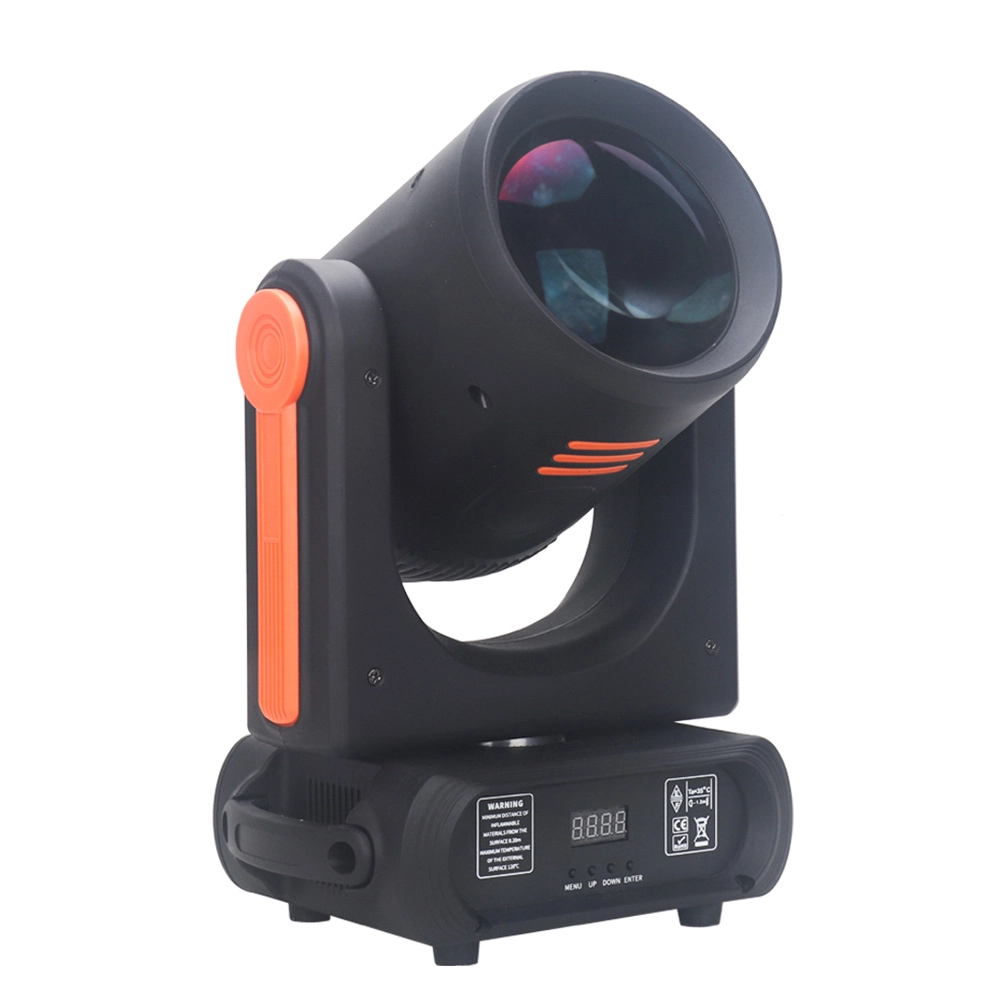
Experience precision lighting with KIMU's 200W LED Spot Moving Head Light. Featuring 3 prisms and a wide beam angle, it offers 7 vibrant colors and 8 dynamic patterns, making it ideal for versatile stage and event lighting.
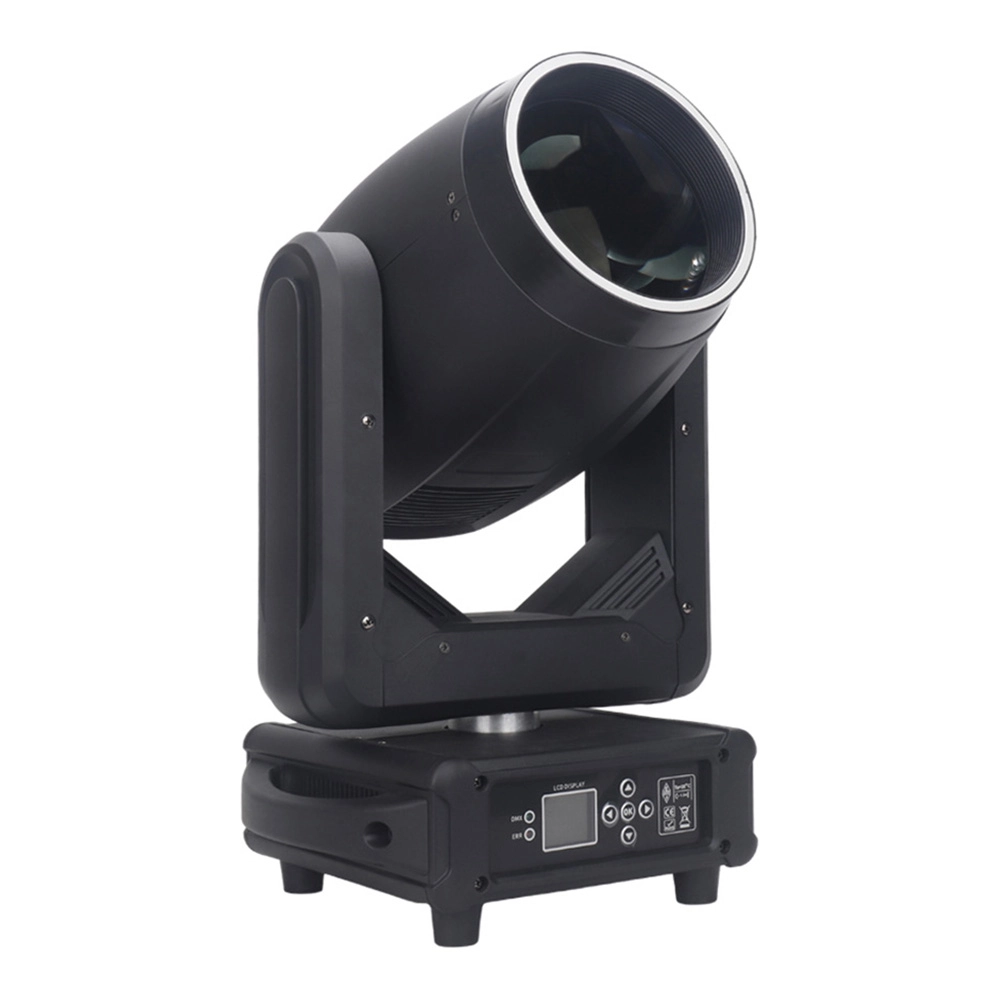
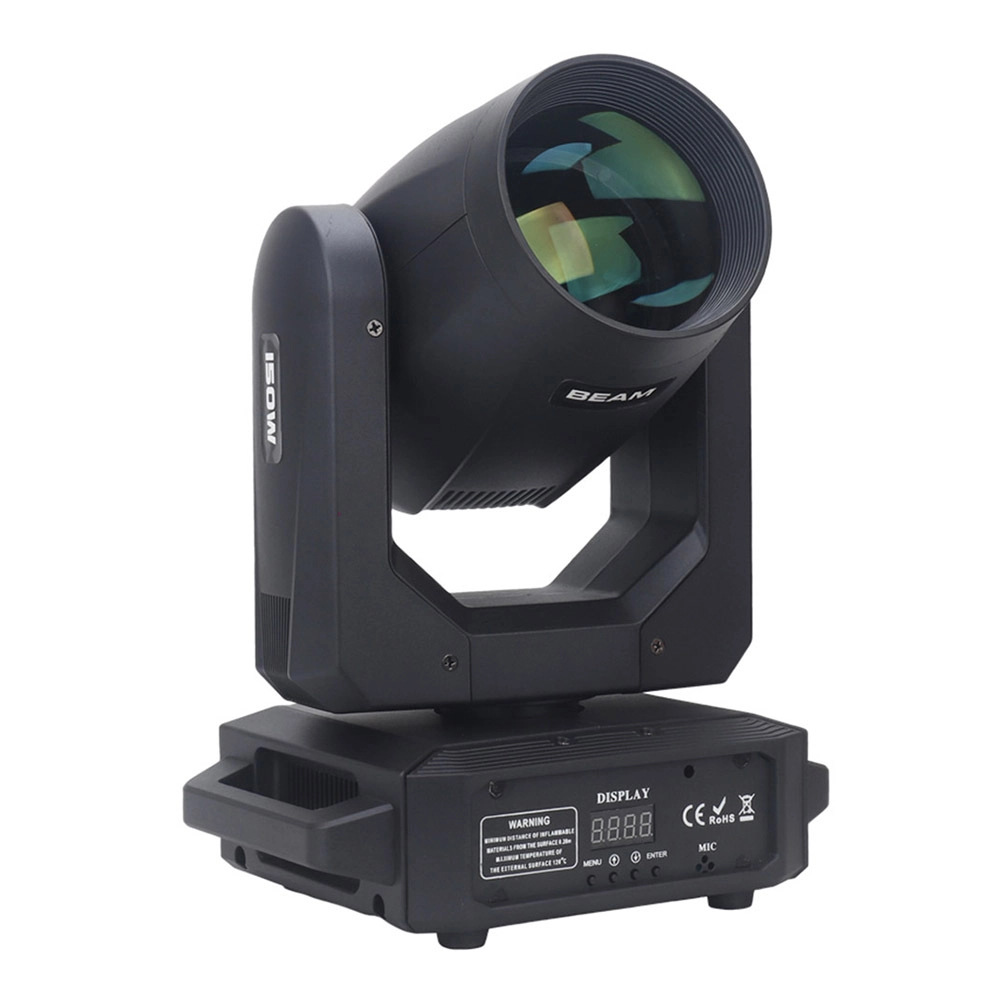
Introducing the KIMU 150W Mini Sharpy Beam LED DMX Spot – your ultimate choice for dynamic stage lighting. This LED Beam Moving Head Light delivers vibrant RGBW hues and a mesmerizing rainbow effect, perfect for DJ events and stage shows. With precision movement and 150W power, it ensures stunning visual impact. Elevate your lighting setup with this compact yet powerful beam moving head light, crafted for professionals who demand brilliance and versatility. Illuminate your events with KIMU's unparalleled quality and innovation.
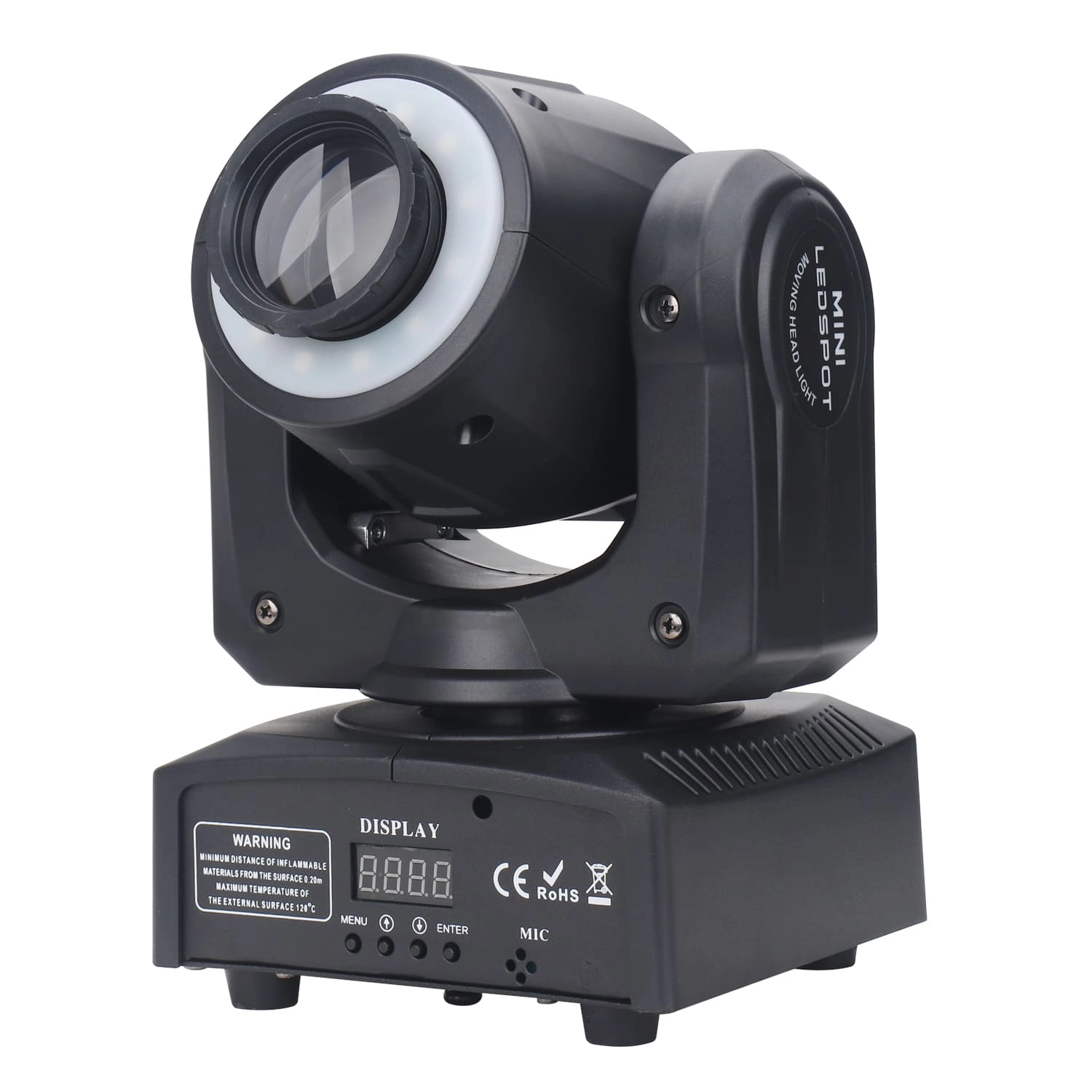
Introducing the 30W LED Spot Gobo Moving Head by KIMU, a top choice for vibrant and dynamic lighting in discos, clubs, bars, and DJ shows. This mini LED spot moving head light offers powerful RGBW illumination, creating captivating effects with precision.
© 2024 KIMU ALL RIGHTS RESERVED.
Instagram
Facebook
KIMU LIGHTING