










What is the best angle for stage lighting? | KIMU Guide
Explore best practices for stage lighting angles, including the renowned 45-degree rule, for optimal drama, clarity, and mood in professional stage design.
What is the Best Angle for Stage Lighting?
Professionals in the stage lighting industry frequently ask, “What is the best angle for stage lighting?” Optimizing lighting angles is vital for ensuring visibility, mood, and dramatic effect. This article provides quick, factual guidance using widely recognized industry terms and data to help you design effective lighting schemes.
Key Considerations for Stage Lighting Angles
- Audience Sightlines:
- Correct angles prevent shadows and reduce facial distortion, crucial for audience engagement and comprehension (USITT, “Lighting the Stage”).
- Purpose of the Scene:
- Drama, realism, or abstraction often dictate different angles (Strand Lighting Handbook, 2020).
- Fixture Type & Placement:
- Angle decisions are influenced by the fixture’s position: front light, backlight, sidelights, or top light.
H3 Know the “45-Degree Rule”
- Industry Standard:
- The classic front light is placed at a 45-degree angle horizontally off-axis and 45 degrees from the vertical plane.
- Benefits:
- Natural facial modeling and clarity.
- Minimal unsightly shadows.
- Optimal catch light in the eyes.
- Supporting Data:
- This configuration is referenced in ETC’s Lighting Fundamentals and ANSI E1.9 standard.
H3 When to Modify Lighting Angles
- Dramatic Effect:
- Sharper vertical angles (60+ degrees) heighten drama and focus; lower angles (below 30 degrees) create mysterious or unusual effects (USITT).
- Multiple Layering:
- Using 2–3 key angles adds depth and textured visuals.
- Avoiding Glare:
- Horizontal angles less than 30 degrees can cause light spill and glare for the audience.
H3 Angles for Specific Lighting Types
- Front Lighting:
- 45 degrees off center and above is best for clarity.
- Side Lighting:
- 60–90 degrees minimizes shadows, highlights movement—critical for dance.
- Backlighting:
- Typically 120–150 degrees from the front, separating performer from backdrop.
- Top Light:
- Useful for defining space, often set at 90 degrees (directly overhead).
H3 Professional Tips & References
- Test and Adapt:
- Always test with actual performers to fine-tune angles for each production.
- Industry Resources:
- United States Institute for Theatre Technology (USITT)
- Entertainment Services and Technology Association (ESTA)
- Training & Standards:
- Reference ANSI E1.9 and ETC whitepapers for best practice data.
Achieving the best angle for stage lighting is a balance of technical accuracy and creative vision. With these guidelines, lighting professionals can maximize visibility, enhance mood, and ensure each scene is visually compelling.
Sources:
- USITT, “Lighting the Stage”
- Strand Lighting Handbook
- ETC Lighting Fundamentals
- ANSI E1.9 Standard
Recommended for you

KIMU Illuminates the Guangzhou Lighting & Sound Exhibition 2019
where to buy led stage lights | KIMU Guide
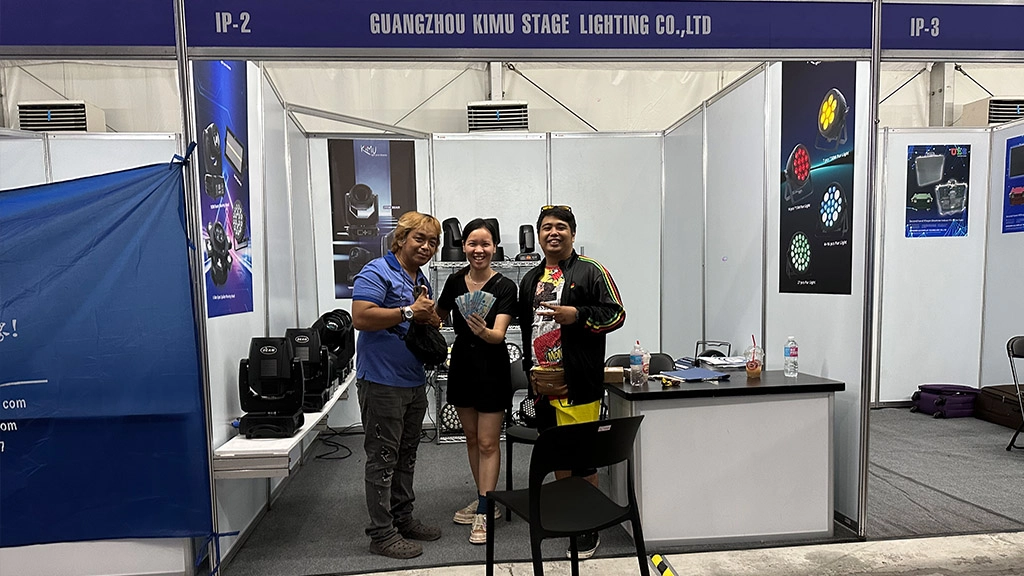
KIMU Dazzles at Manila Lighting & Sound Exhibition 2023
What is the best angle for stage lighting? | KIMU Guide
What is a stage focus light called? | KIMU Guide
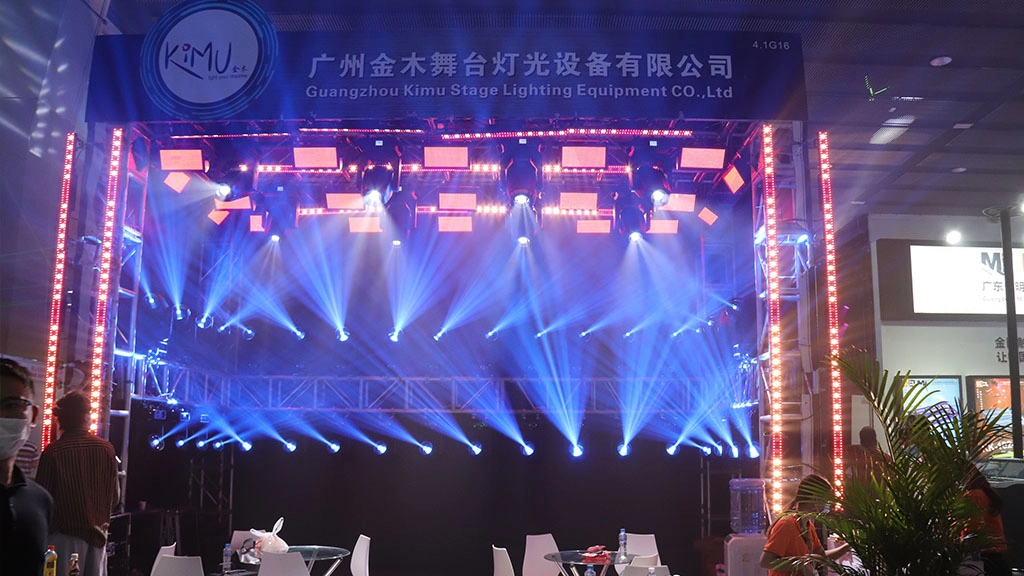
KIMU Shines Bright at the Guangzhou Lighting & Sound Exhibition 2020
Contact our customer service team with your order details and a description of the issue. We will guide you through the warranty process.
Yes, we provide tracking information for all shipped orders.
1. Express delivery takes 5-7 days.
2. 20–25 days by sea.
3. 15 days by air.
Of course, our company is located in the A3 building, Gaopu Industry Zone, Baiyun District, Guangzhou, China.
Welcome to visit our factory!
get in touch
To reach out to us, simply fill out the form below with your name, email address, and message detailing your requirements or questions.
Our dedicated team of lighting experts is committed to providing timely and personalized responses to ensure your satisfaction.
You may also like
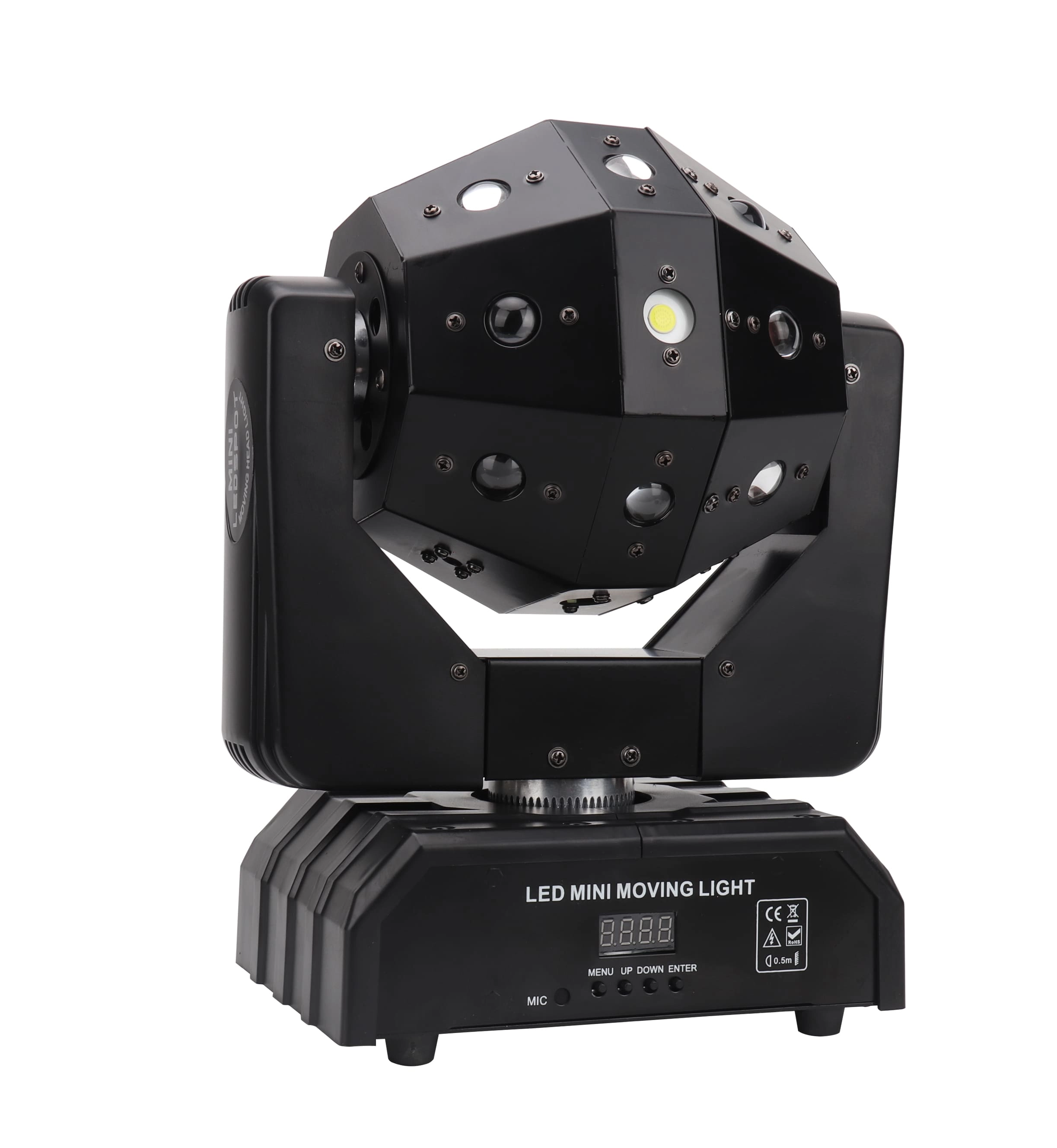
Introducing the KIMU Magic Dj Disco Ball, a revolutionary 3in1 LED moving head stage light. Featuring 16 pieces of 3W strobe beam lasers, this robust light transforms any event with its dynamic effects. Perfect for parties and professional events, it elevates the atmosphere effortlessly.
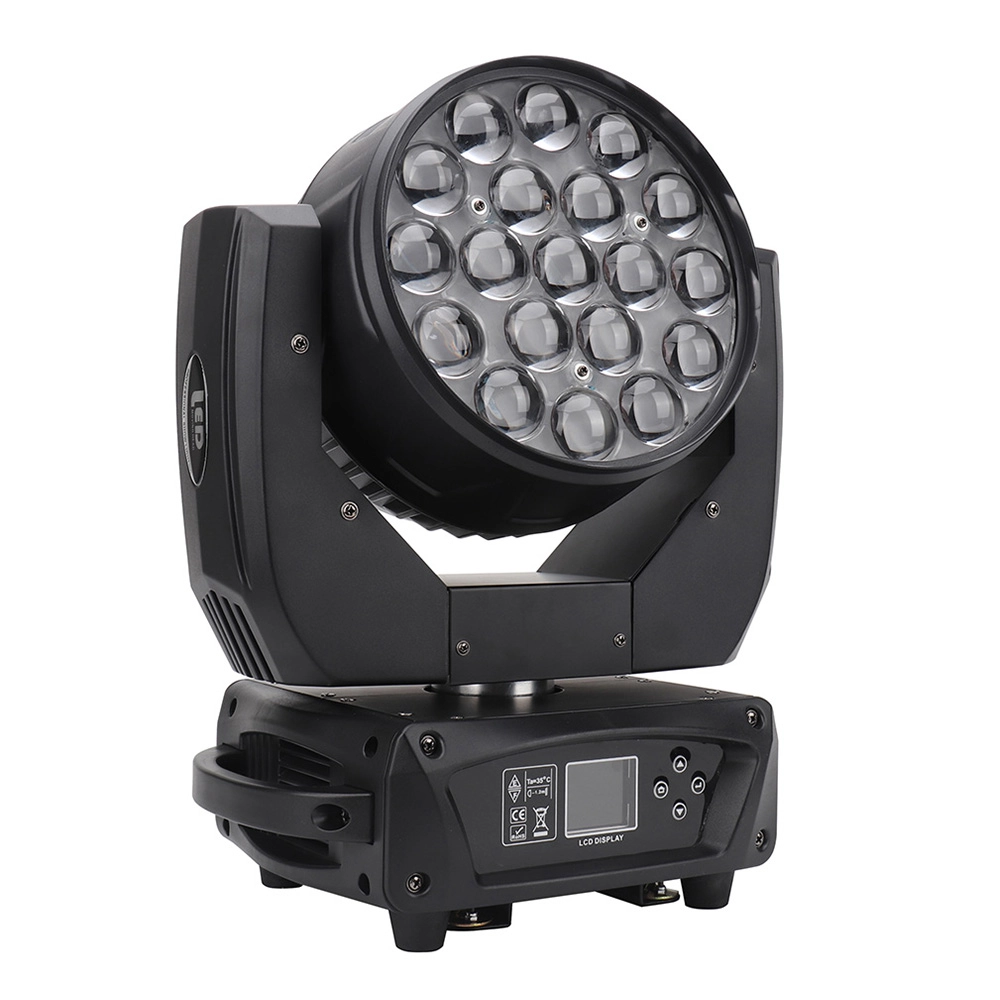
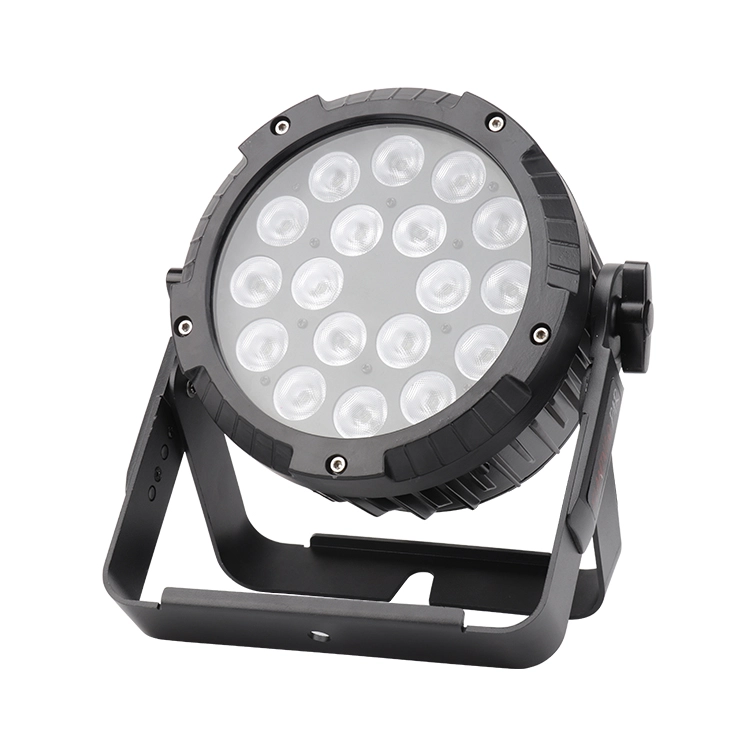
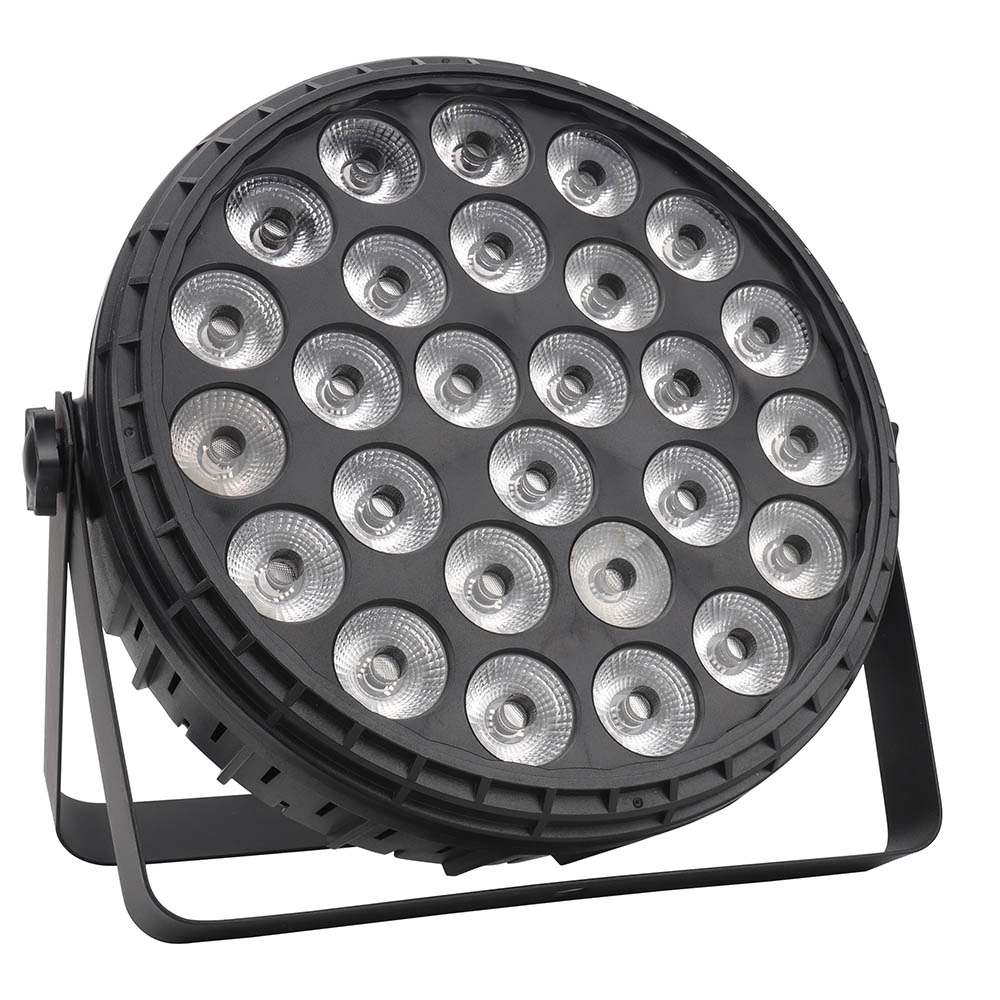
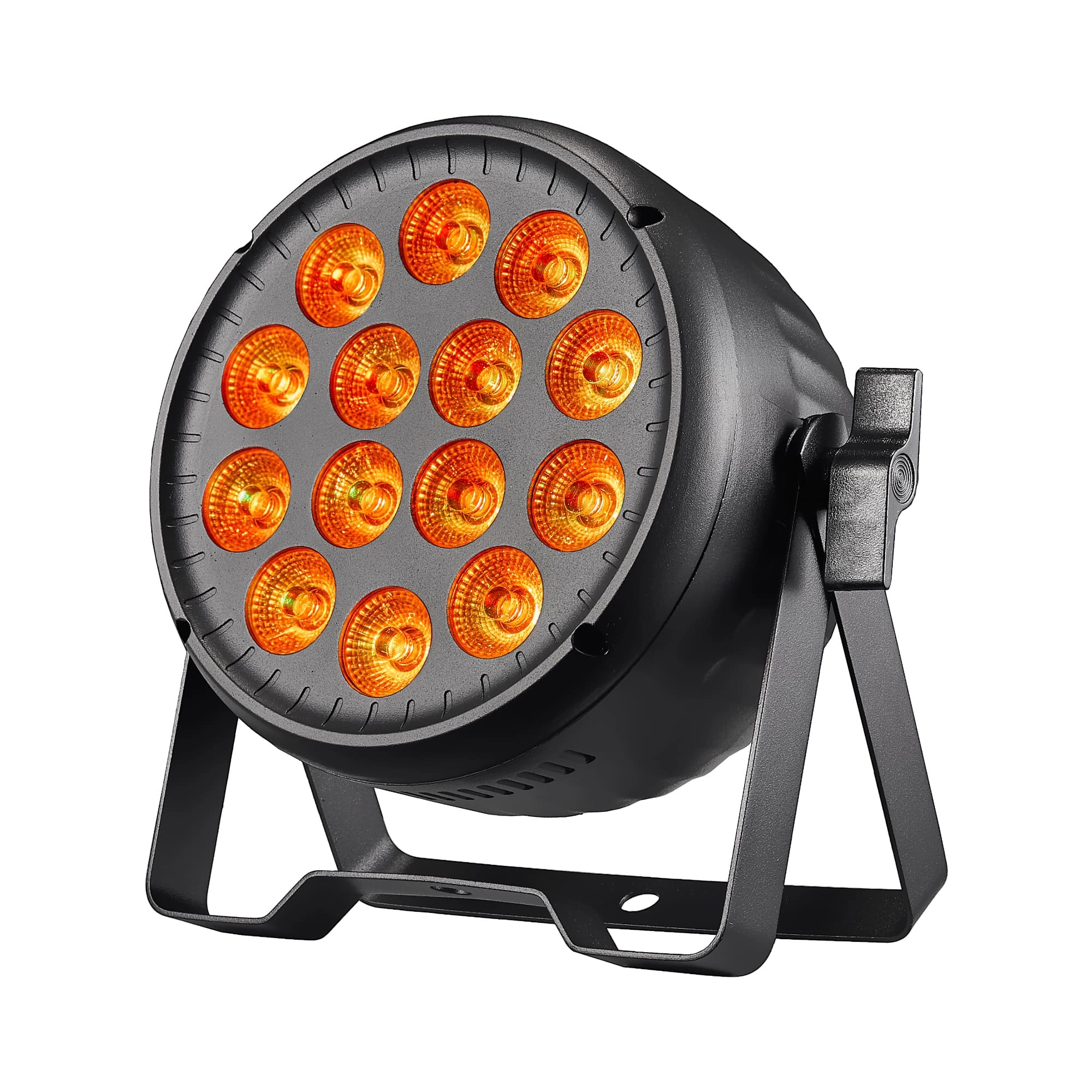
Illuminate your events with the KIMU 27LED*6W RGBW 4in1 Stage Par Light. Perfect for DJs and discos, this versatile stage lighting par light provides vibrant and dynamic color mixing for any occasion. With 6W LEDs ensuring powerful illumination, it guarantees a spectacular show every time. Suitable for both professionals and enthusiasts, the KIMU Stage Par Light enhances any venue with ease. Discover unparalleled brightness and flexibility, and make your events memorable with KIMU's leading stage lighting solutions.
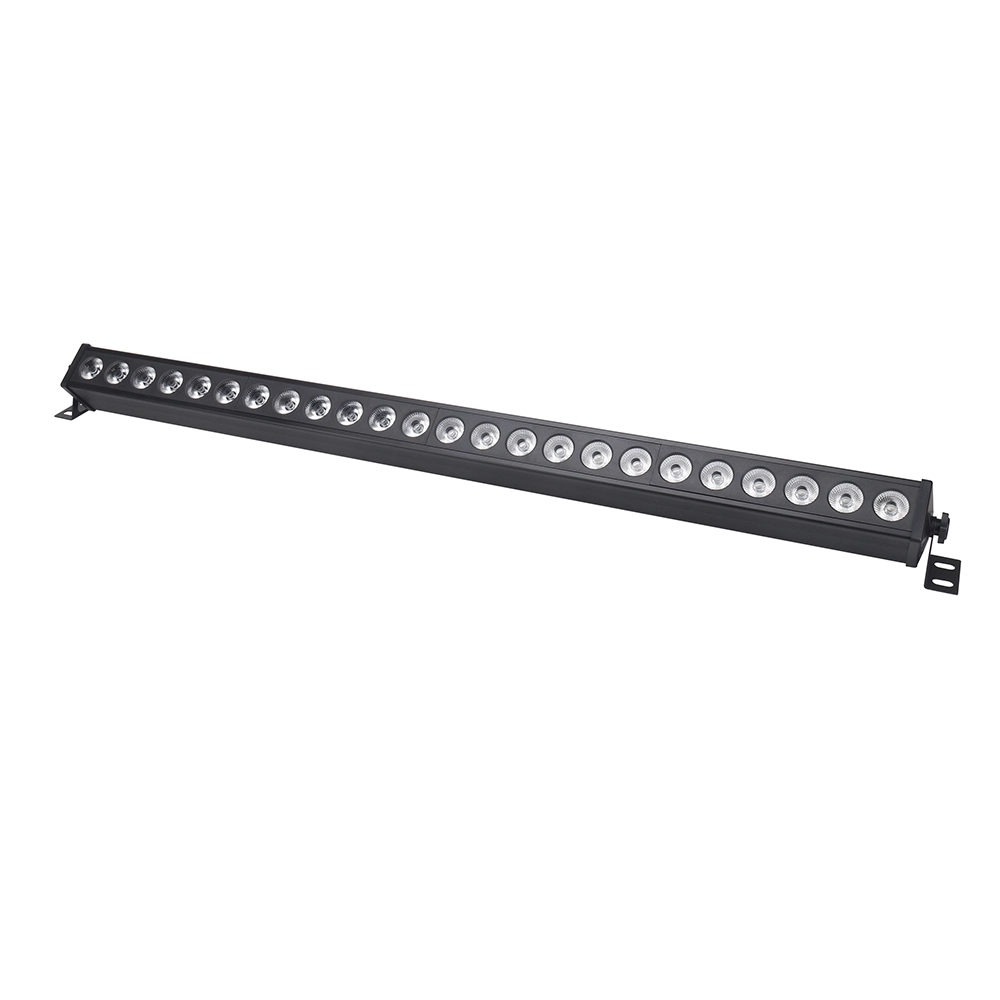
Introducing the KIMU 24*3W RGB 3in1 Bar Light, an 80W LED indoor washer light perfect for stage and club settings.
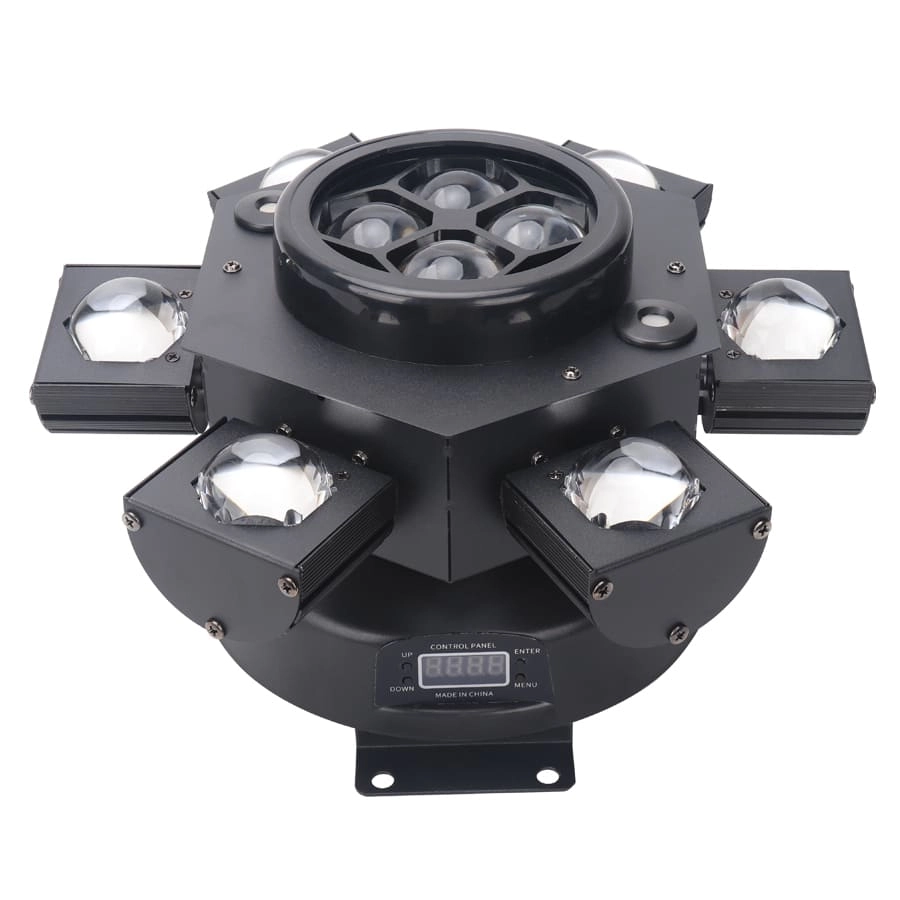
Introducing the KIMU Professional Six-armed Bee Moving Head Light, perfect for elevating your DJ disco club experience. This top-tier stage lighting equipment features state-of-the-art professional disco laser lights, delivering stunning visual effects for unforgettable performances.
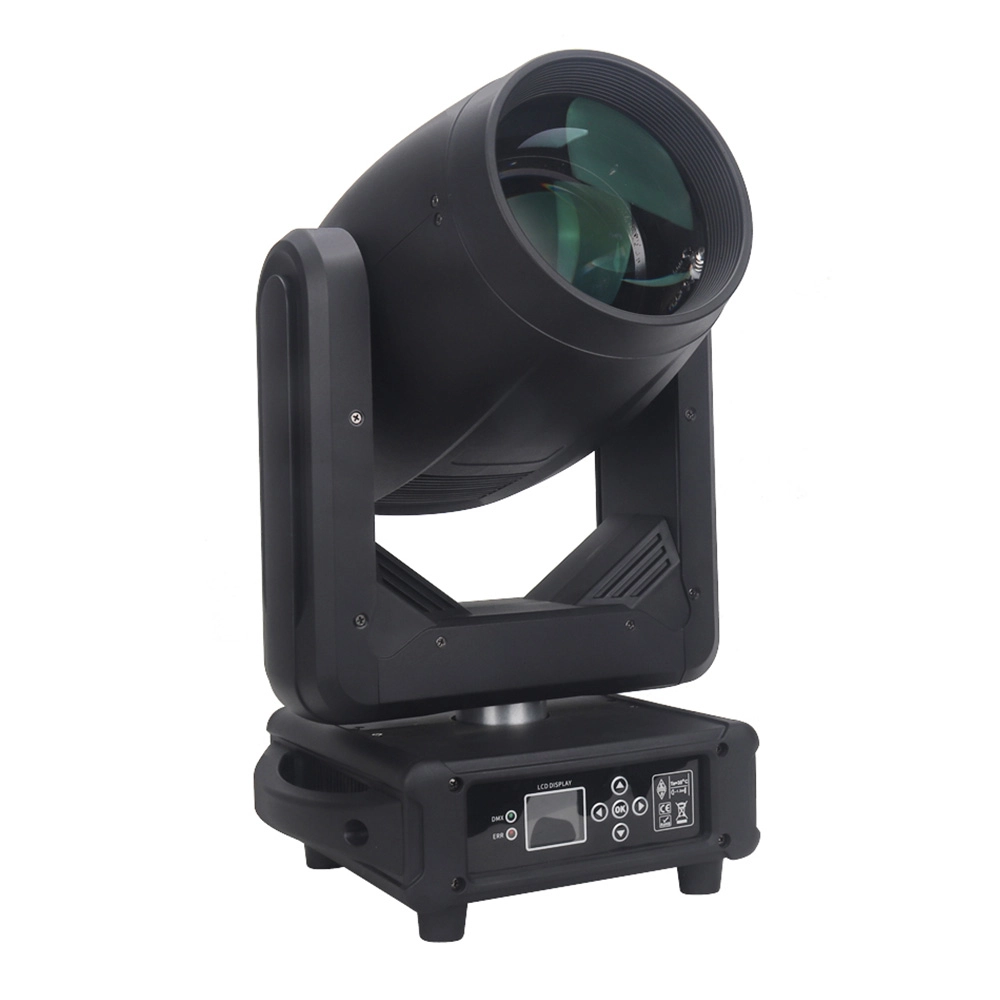
Introducing the KIMU Professional Beam Light 18r 371W 380W, an essential for stunning stage performances. This advanced stage light moving head combines precision with power, rendering your events unforgettable. Ideal for DJs and venues, it offers dynamic lighting effects, enhancing any show with vibrant colors and sharp beams. As a leading beam moving head light manufacturer, KIMU ensures durability and high performance. Discover the future of stage lighting with our professional beam moving light. Perfect your ambience, perfect your craft.
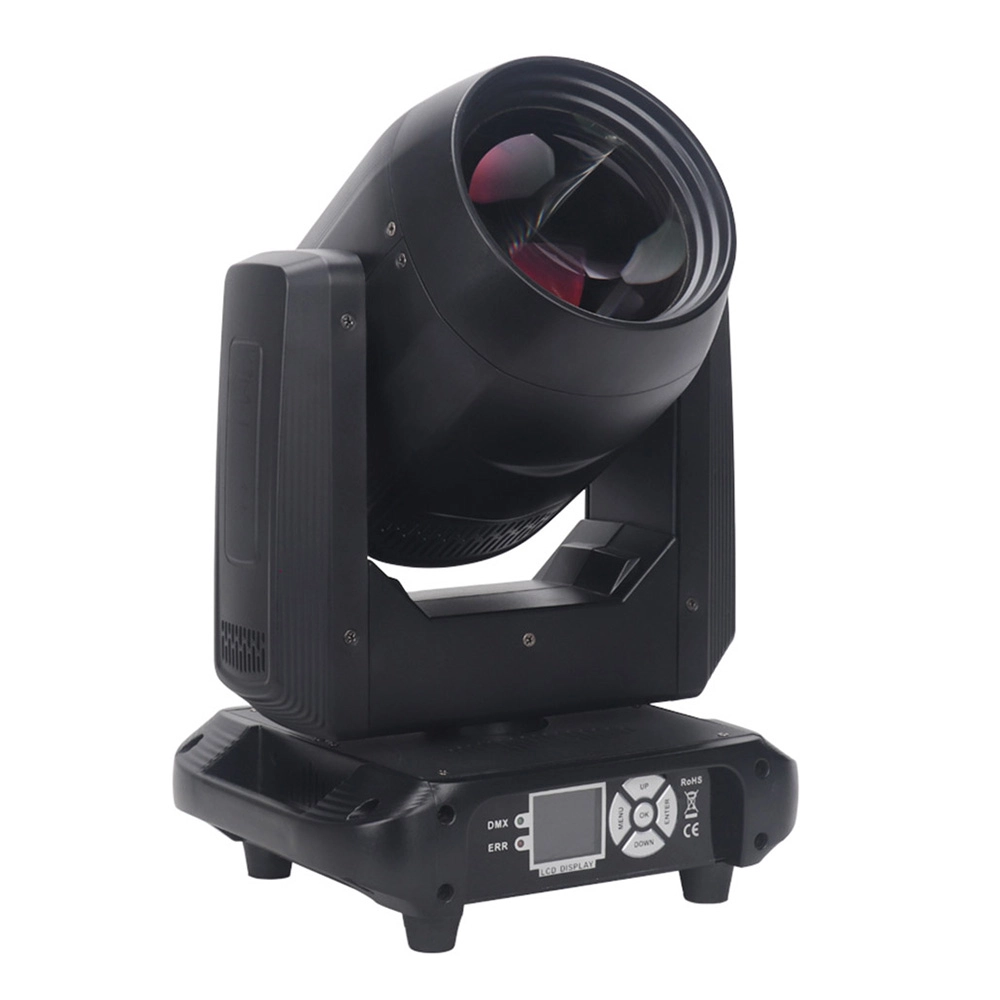
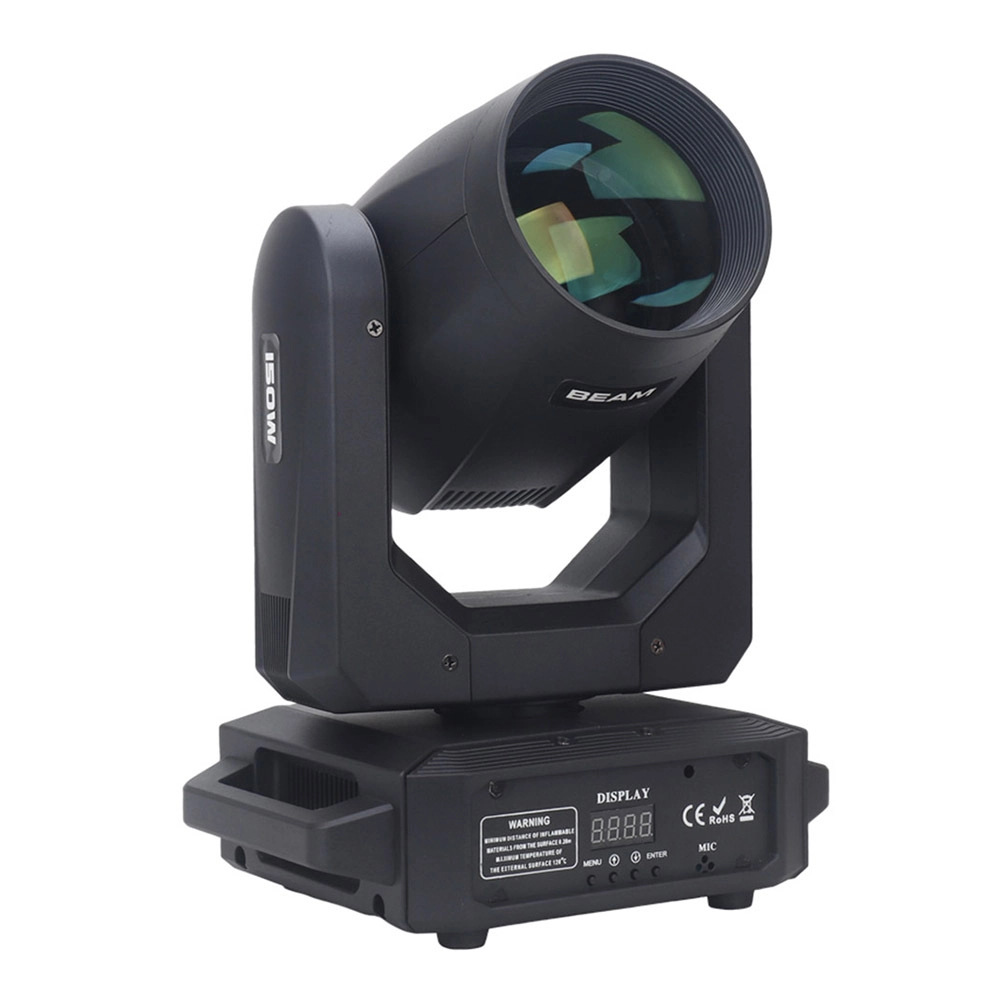
Introducing the KIMU 150W Mini Sharpy Beam LED DMX Spot – your ultimate choice for dynamic stage lighting. This LED Beam Moving Head Light delivers vibrant RGBW hues and a mesmerizing rainbow effect, perfect for DJ events and stage shows. With precision movement and 150W power, it ensures stunning visual impact. Elevate your lighting setup with this compact yet powerful beam moving head light, crafted for professionals who demand brilliance and versatility. Illuminate your events with KIMU's unparalleled quality and innovation.
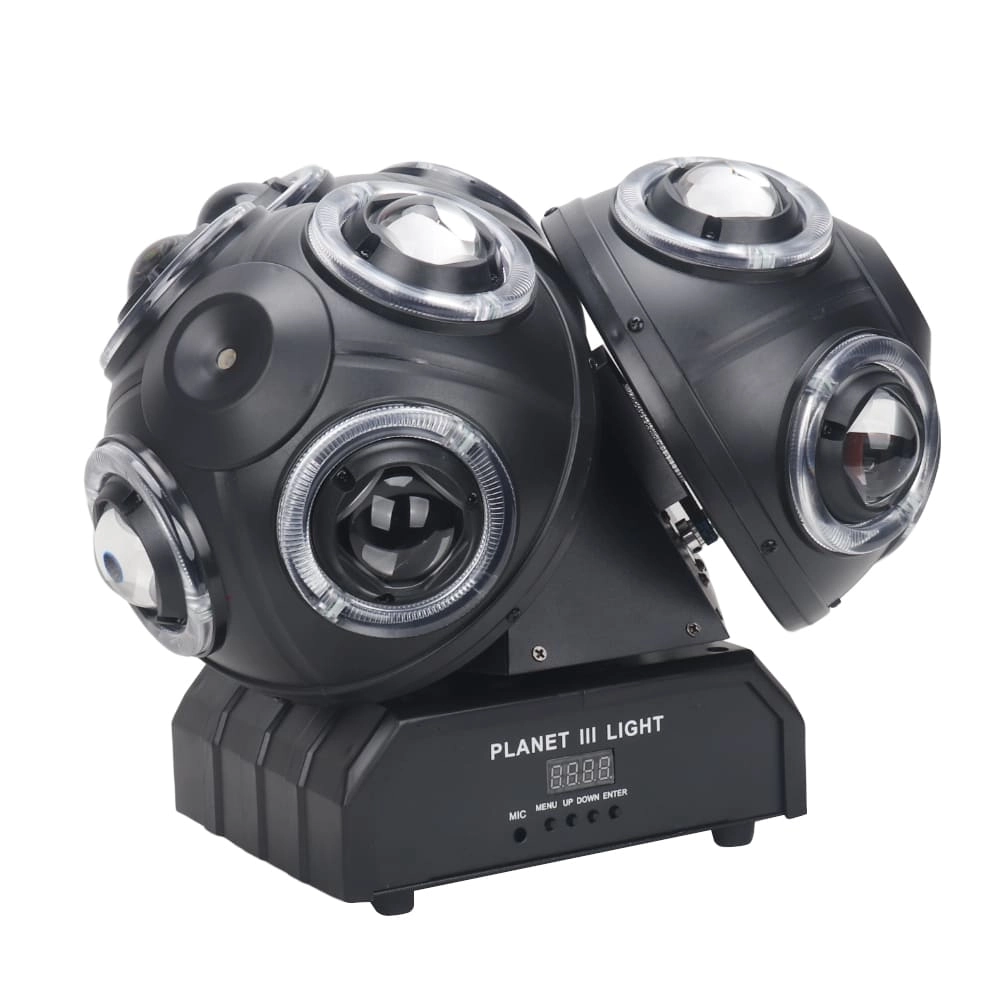
Introducing the KIMU 150W Three Ball Moving Head Laser Light—a must-have for any DJ, party, or club! Elevate your events with this professional DJ laser light, featuring dynamic RGBW colors for an unforgettable visual experience.
© 2024 KIMU ALL RIGHTS RESERVED.
Instagram
Facebook
KIMU LIGHTING