












Is it safe to rig strobe lights on overhead trusses? | KIMU Guide
Get expert answers to rigging strobe lights on trusses safely—covering safety, load, best practices, legal rules, and common mistakes. By KIMU.
- Is It Safe to Rig Strobe Lights on Overhead Trusses?
- What Safety Factors Should I Consider Before Rigging Strobe Lights on Trusses?
- How Do I Determine If the Truss Can Handle the Weight of Strobe Lights?
- What Are the Best Practices for Rigging Strobe Lights to Overhead Trusses?
- Are There Legal or Industry Standards for Rigging Stage Lighting Fixtures?
- What Are Common Mistakes to Avoid When Rigging Strobe Lights on Trusses?
Is It Safe to Rig Strobe Lights on Overhead Trusses?
When working in the stage lighting industry, the safety and reliability of rigging strobe lights on overhead trusses are critical. Below, KIMU answers the top five frequently asked questions about safely installing strobe lights in professional stage environments.
What Safety Factors Should I Consider Before Rigging Strobe Lights on Trusses?
Safety is the highest priority. Always perform a load assessment to ensure the combined weight of your strobe lights and hardware does not exceed the truss's capacity. Inspect trusses for damage or defects. Use proper rigging hardware, such as clamps rated for the strobe’s weight, and secondary safety cables (safety bonds) as a backup. Make sure only qualified personnel handle rigging tasks and all installations comply with local regulations and industry standards.
How Do I Determine If the Truss Can Handle the Weight of Strobe Lights?
Every truss has a maximum load rating specified by the manufacturer. Check the technical datasheet for this information. Add the weight of all strobe lights, clamps, cables, and any other attached equipment. The total must not exceed 80% of the truss’s maximum capacity to account for dynamic loads and safety margins. If uncertain, consult a structural engineer or a rigging professional.
What Are the Best Practices for Rigging Strobe Lights to Overhead Trusses?
Use only high-quality, certified rigging equipment. Always employ a secondary safety cable for each strobe light, even if the primary clamp is rated appropriately. Distribute the weight evenly along the truss, avoiding overloading any single section. Ensure all connections are secure and tight, and avoid mounting fixtures in places where vibrations or impacts may loosen the hardware. Document your rigging scheme, labeling equipment locations for future reference.
Are There Legal or Industry Standards for Rigging Stage Lighting Fixtures?
Yes. Strict regulations, such as OSHA standards and local building codes, apply to stage rigging. European installations may also need to comply with EN norms. Adhere to ANSI E1.21 for temporary structures and E1.6 for entertainment rigging in the US. Use only CE/UL-listed equipment where applicable. Always keep updated with any new safety rulings and have your staff trained and certified in safe rigging practices.
What Are Common Mistakes to Avoid When Rigging Strobe Lights on Trusses?
Key mistakes include: overloading trusses, using uncertified or worn rigging hardware, not attaching a safety cable, failing to inspect structures regularly, and allowing untrained staff to perform installations. Additionally, placing strobes near sensitive audio equipment without checking electromagnetic compatibility can cause interference. Avoid placing strobes where they could cause visual hazards to performers or the audience.
Rigging strobe lights on overhead trusses can be safe and reliable if you follow professional guidelines and manufacturer recommendations. Always prioritize safety, proper equipment, and compliance with legal standards for a successful stage setup with KIMU's best practices.
Recommended for you
how to build a moving head light | KIMU Guide
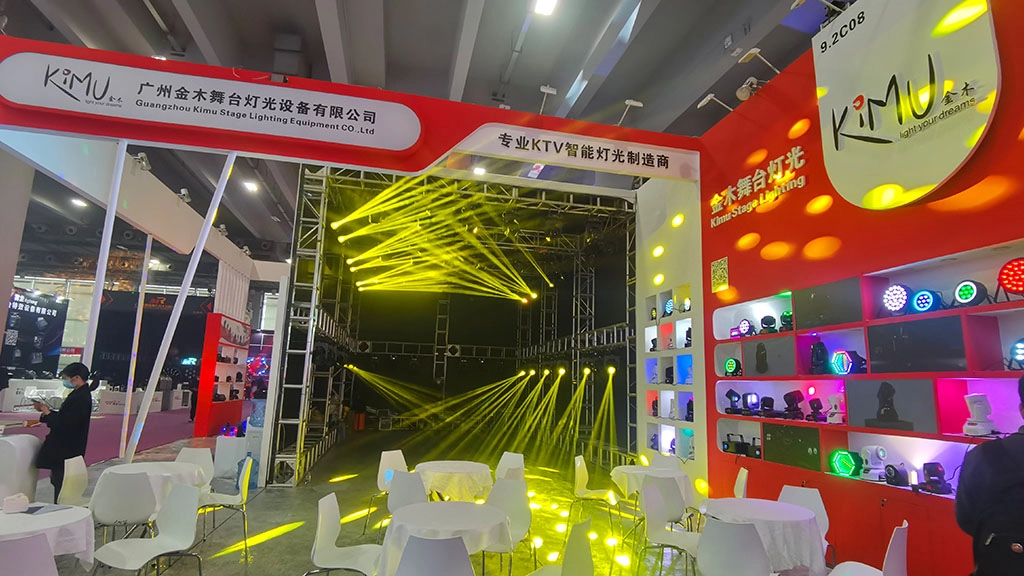
KIMU Illuminates the Guangzhou Lighting & Sound Exhibition 2022
Mid-term Motivation Meeting for KIMU’s Performance Competition
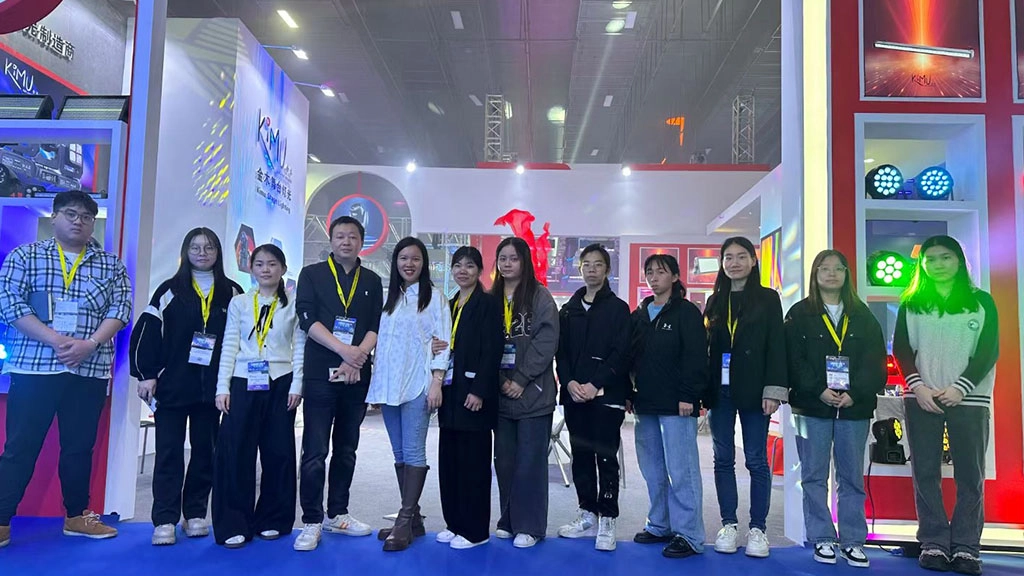
KIMU Illuminates Guangzhou Lighting & Sound Exhibition 2024
How to hang a stage light? | KIMU Guide
What is the best angle for stage lighting? | KIMU Guide
Yes, you can arrange your own shipping. Please coordinate with our logistics team for the necessary details.
In the rare event of damage, please contact us immediately. We will assist with filing a claim and arranging for replacements or repairs.
It usually takes 2–3 work days.
Of course, our company is located in the A3 building, Gaopu Industry Zone, Baiyun District, Guangzhou, China.
Welcome to visit our factory!
get in touch
To reach out to us, simply fill out the form below with your name, email address, and message detailing your requirements or questions.
Our dedicated team of lighting experts is committed to providing timely and personalized responses to ensure your satisfaction.
You may also like
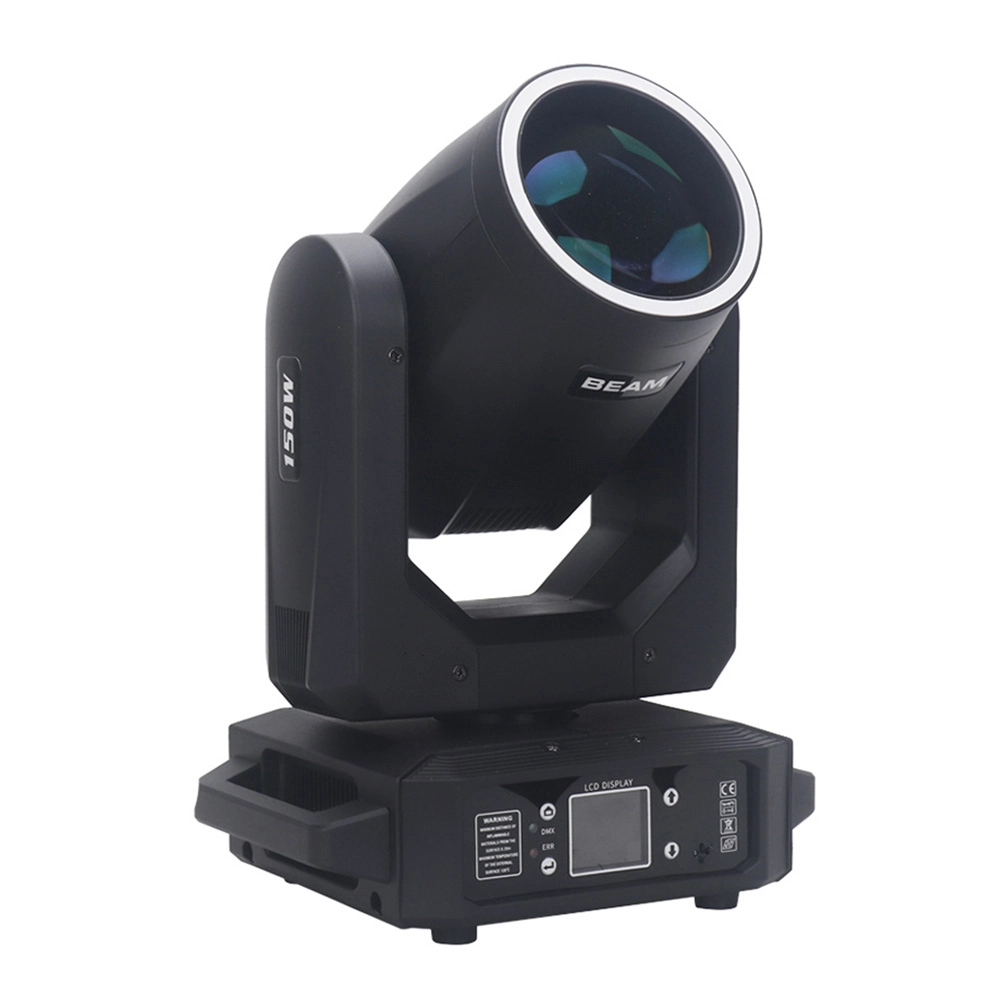
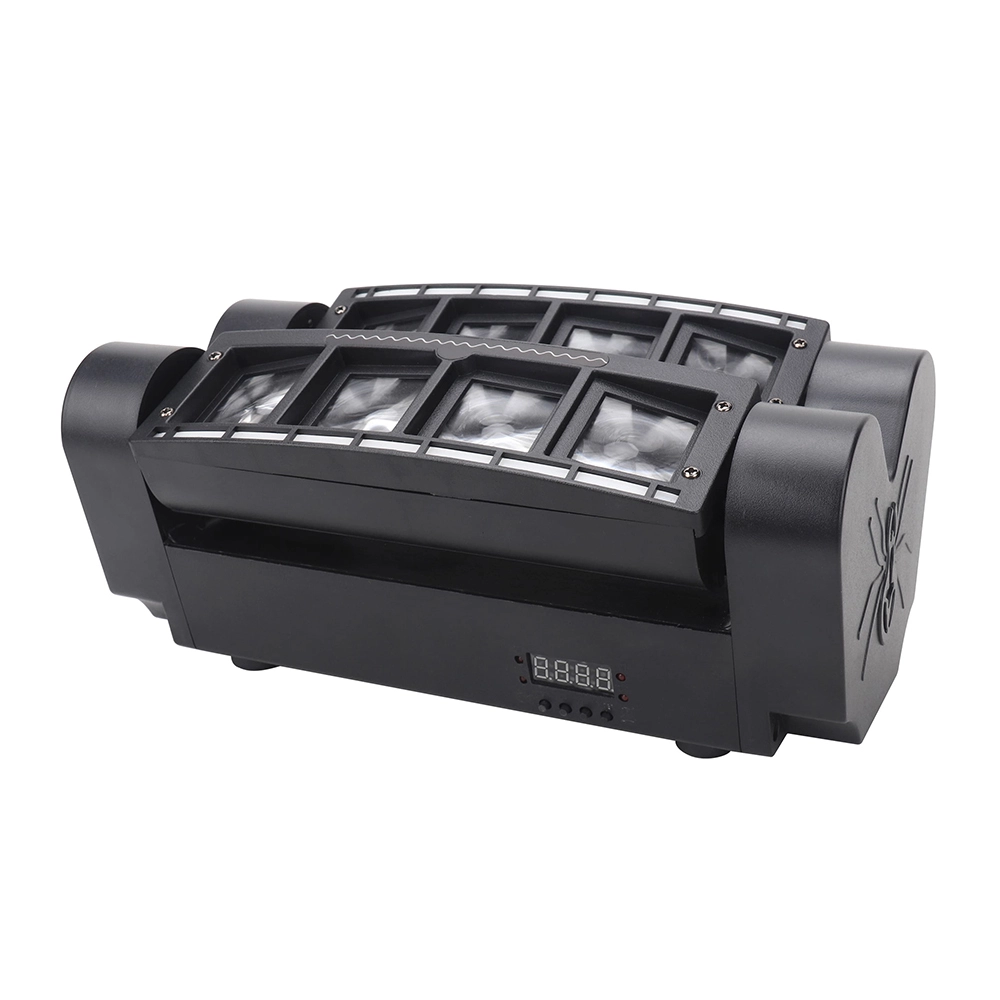
Illuminate your events with the KIMU Disco Lights Party Mini Led Spider Beam RGBW Ring Laser Moving Head Light. This compact yet powerful mini spider moving head light offers vibrant RGBW colors, ensuring a dynamic visual experience.
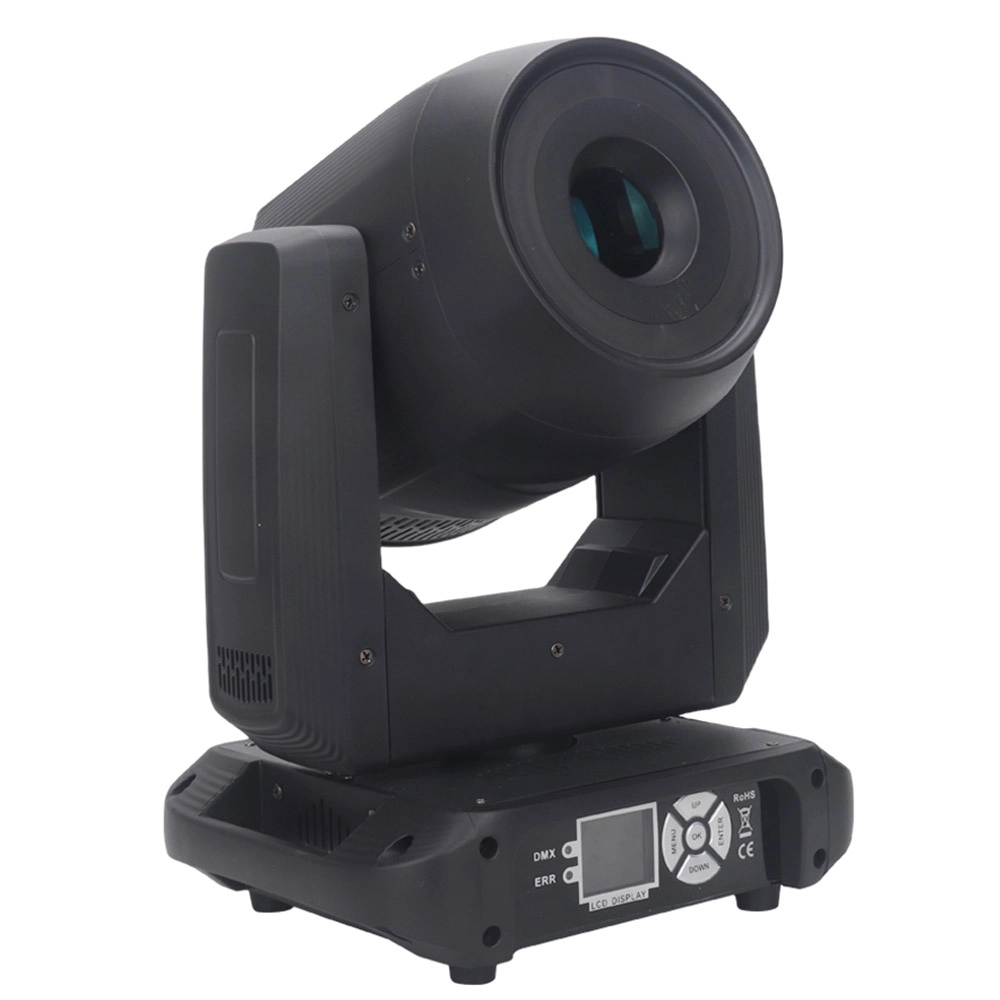
Experience precision lighting with KIMU's 150W LED Spot Moving Head Light. Featuring 3 prisms and a wide beam angle, it offers 7 vibrant colors and 8 dynamic patterns, making it ideal for versatile stage and event lighting.
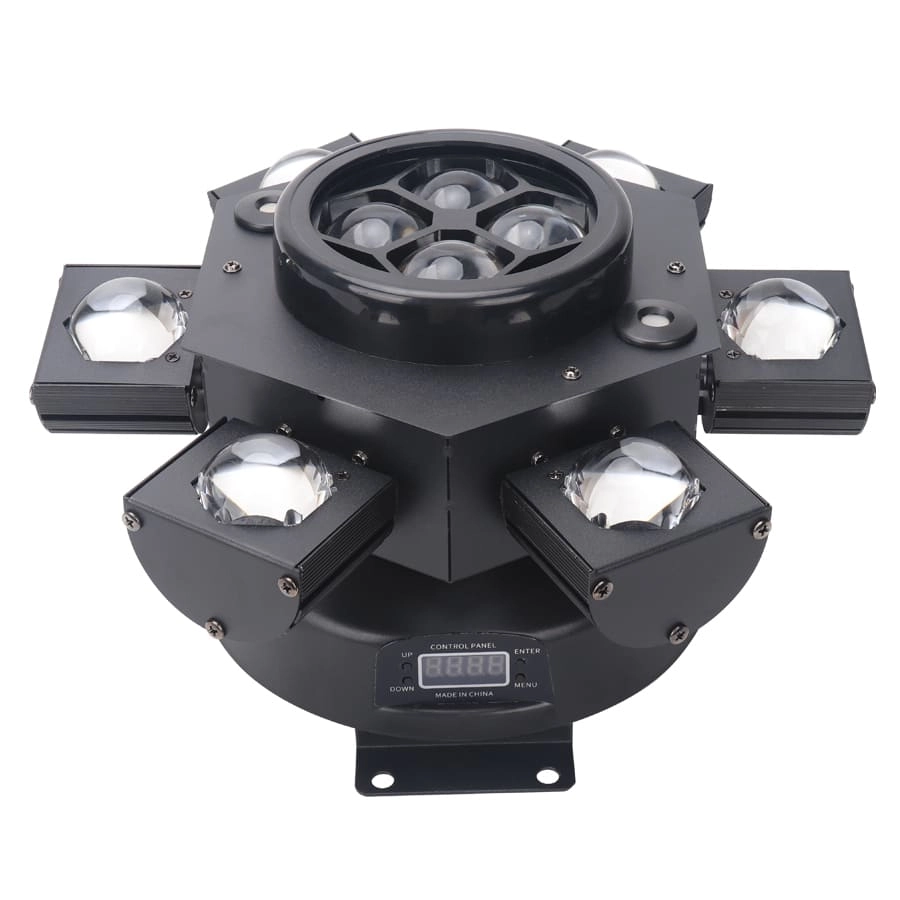
Introducing the KIMU Professional Six-armed Bee Moving Head Light, perfect for elevating your DJ disco club experience. This top-tier stage lighting equipment features state-of-the-art professional disco laser lights, delivering stunning visual effects for unforgettable performances.
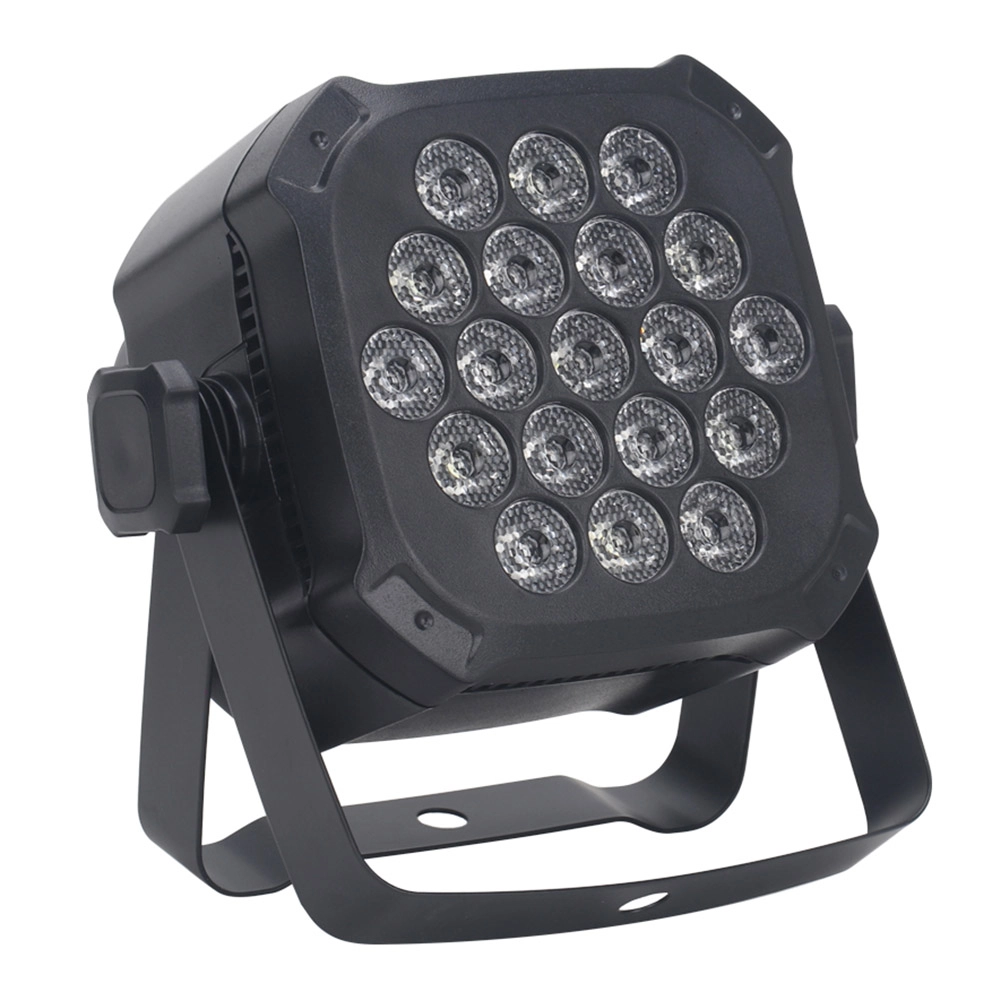
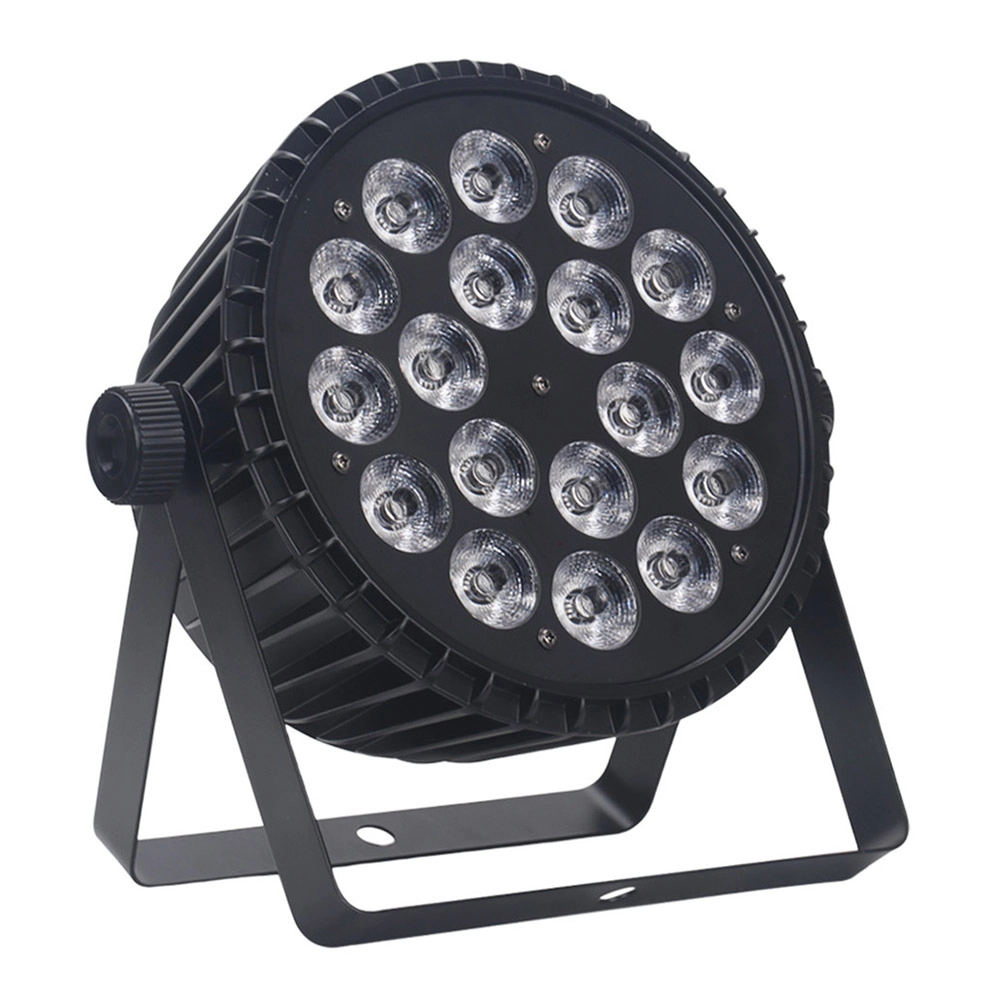
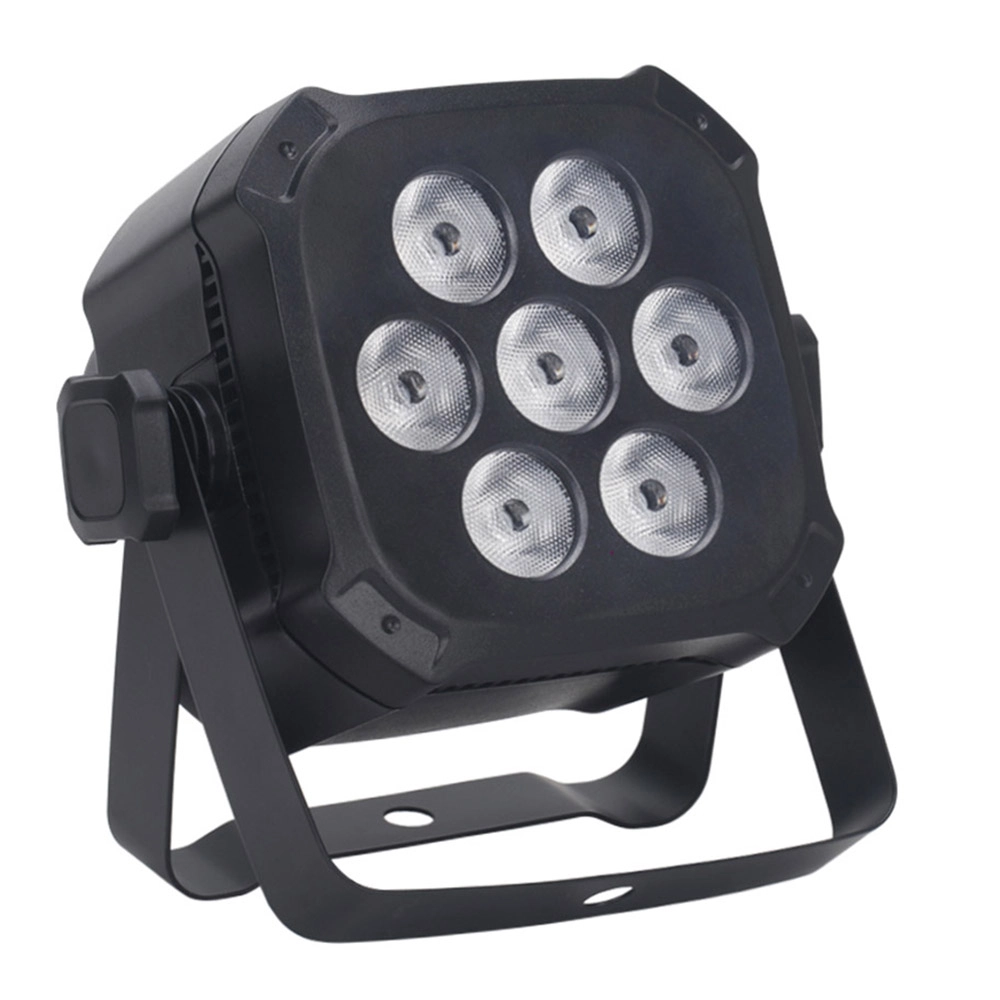
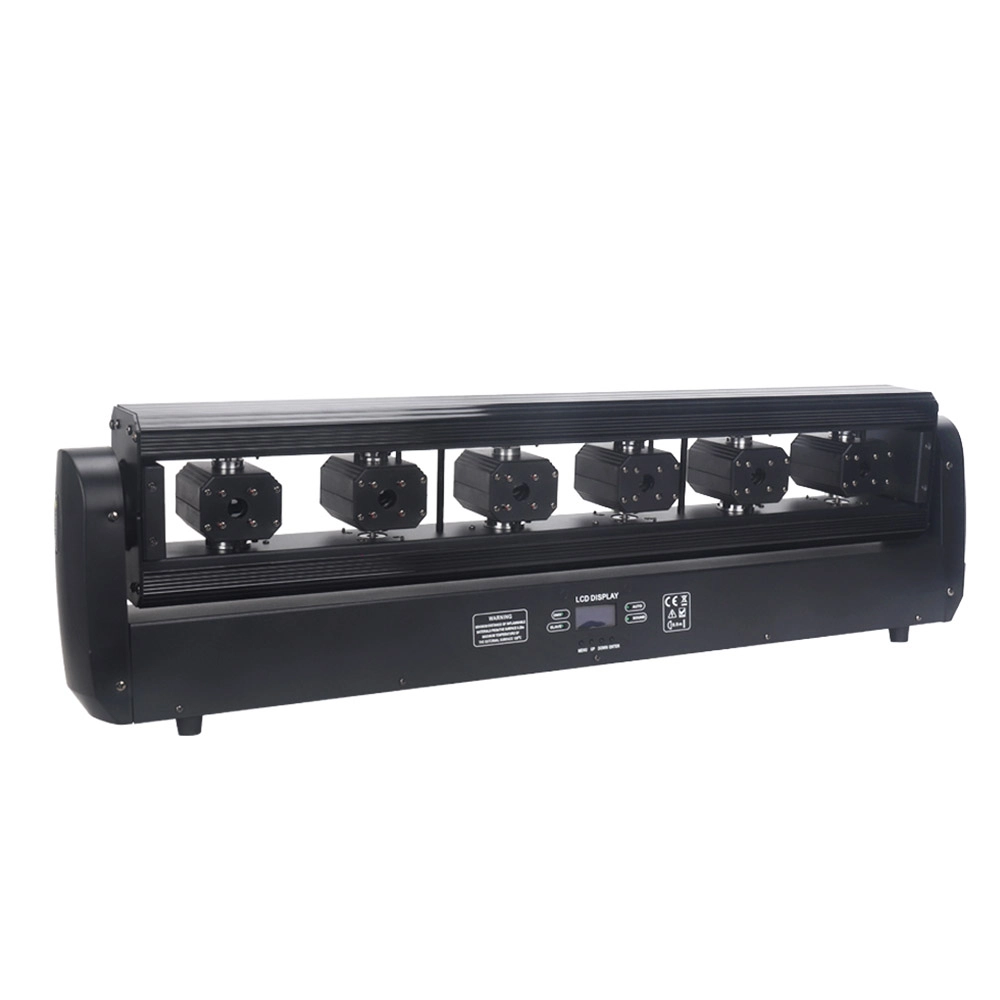
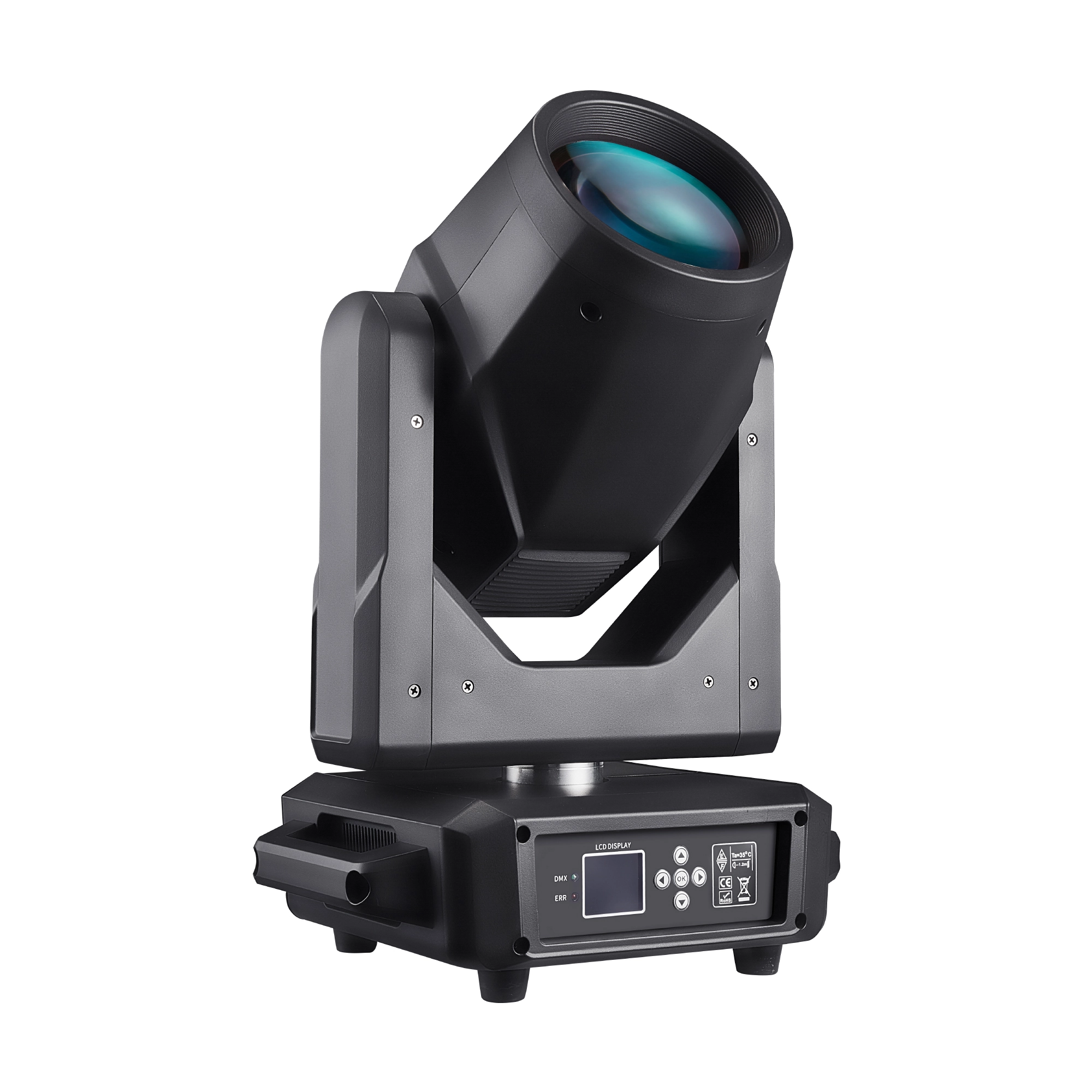
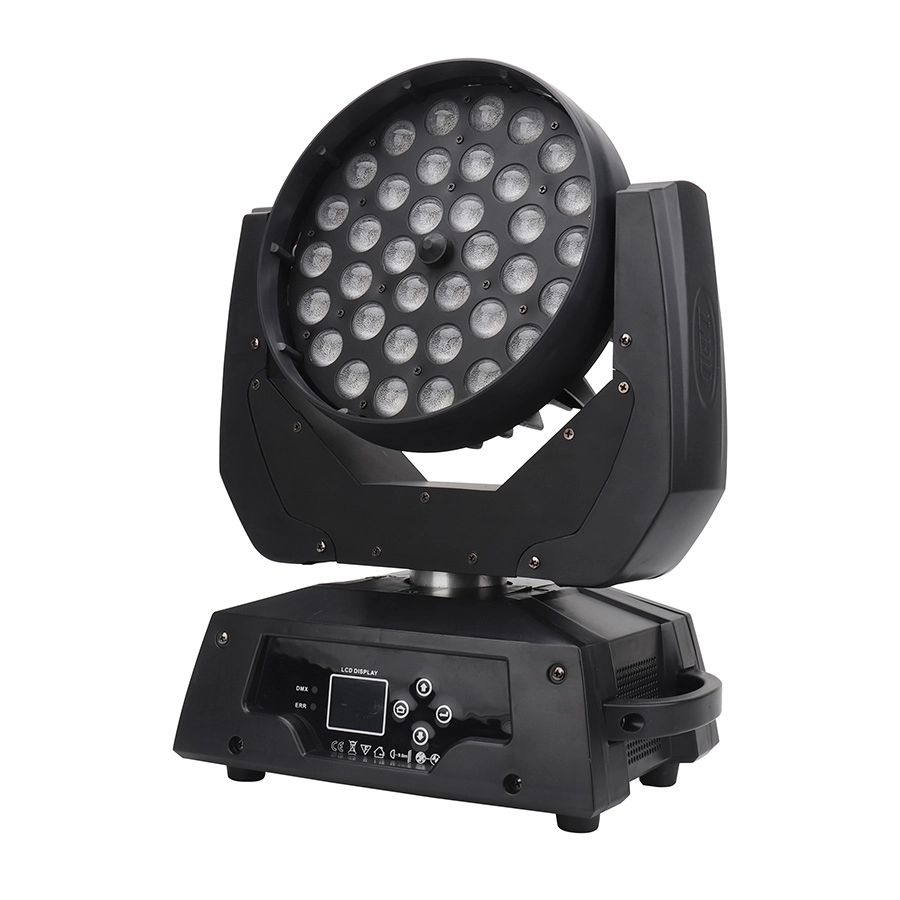
Introducing the KIMU 36PCS*10W DMX Zoom Light, the ultimate RGBW 4-in-1 LED moving head wash light for DJs, discos, music events, and nightclubs. This mini moving head wash light offers vibrant, dynamic lighting effects, perfect for creating unforgettable atmospheres.
© 2024 KIMU ALL RIGHTS RESERVED.
Instagram
Facebook
KIMU LIGHTING